



Q: What quality standards do you follow?
A: We adhere to AQL (Acceptable Quality Level) standards (e.g., Major 2.5, Minor 4.0) and ISO guidelines for inspections. Our quality control covers raw materials, production processes, and final products.
Q: How do you ensure color consistency?
A: We conduct color fastness tests to prevent fading or bleeding. Colors are matched to approved samples or Pantone codes, and we ensure uniformity across batches.
Q: What defects do you check for during inspection?
A: We inspect for fabric flaws (e.g., stains, holes), stitching issues, size deviations, and accessory quality (e.g., buttons, labels). Symmetry, pattern alignment, and packaging are also verified.
Q: Do you provide quality reports for orders?
A: Yes, we provide detailed inspection reports including measurements, defect classifications, and compliance with specifications.
Q: How do you handle defective products?
A: Defective products are rejected during inspections and replaced or repaired to meet quality standards. We maintain records for continuous improvement.
Q: Why choose cotton for pocket squares?
A: Cotton pocket squares are popular for their natural softness, breathability, and durability. They are machine washable, easier to iron than silk, and offer stiff edges ideal for structured folds. However, they may wrinkle more easily than synthetic materials.
Q: How does cotton compare to silk or polyester?
A: Cotton is more affordable than silk and offers better structure for folding compared to silk’s soft edges. Unlike polyester, cotton is natural and breathable, but may be less wrinkle-resistant.
Q: Do cotton pocket squares shrink or fade?
A: Cotton can shrink if washed in hot water and dyes may fade over time. We recommend hand washing in cold water and line drying to maintain size and color vibrancy.
Q: What finishes are available for cotton pocket squares?
A: We offer finishes like stone-washing for a casual look, enzyme-washing for softness, and sanforization to minimize shrinkage. Functional finishes like anti-wrinkle or water-repellent are also available.
Q: What are the size options for cotton pocket squares?
A: Our standard size is 25x25 cm, ideal for versatile folding. We also offer 30x30 cm for a dramatic look or 35x35 cm for minimalist styles. Custom sizes can be produced upon request.
Q: How do you ensure material quality?
A: We strictly test raw materials for density, colorfastness, and composition before production. Only certified polyester fabrics meeting our standards are used.
Q: What controls are in place during production?
A: We monitor critical parameters (e.g., temperature, pressure, weaving speed) using automated systems (PLC/DCS) to ensure consistency. Statistical process control (SPC) tools detect deviations in real-time.
Q: How is the final product inspected?
A: Every pocket square undergoes:
Visual checks for defects like stains or uneven prints.
Size measurements to ensure dimensional accuracy.
Colorfastness tests for wash and light exposure resistance.
Q: Do you comply with international quality standards?
A: Yes, our factory is SGS-certified, and we adhere to global standards for chemical safety, physical performance, and ethical production.
Q: How do you handle defects or non-conforming products?
A: Defective units are isolated and traced to their production root cause. They are never shipped, and corrections are implemented immediately to prevent recurrence.
Q: Material Properties
A: Why is polyester a preferred material for pocket squares?
Polyester is chosen for its exceptional durability, wrinkle resistance, and color retention. It maintains its shape and vibrancy even after repeated use and washing, making it ideal for long-lasting accessories like pocket squares.
Q: Does polyester offer moisture-wicking properties?
A: Yes, polyester effectively wicks moisture away from the body, ensuring the pocket square remains dry and hygienic during extended wear. This makes it suitable for formal events where comfort is key.
Q: How does polyester compare to natural fibers in terms of maintenance?
A: Polyester requires minimal ironing due to its innate wrinkle resistance. It also retains dyes better than natural fibers, ensuring the design stays vibrant without fading.
Q: Is polyester environmentally friendly?
A: We offer recycled polyester options made from post-consumer waste (e.g., plastic bottles). This reduces environmental impact while maintaining the same high performance as virgin polyester.
Discover Everything You Need to Know About Custom Pocket Square
Choose Your Custom Handkerchief Design Style
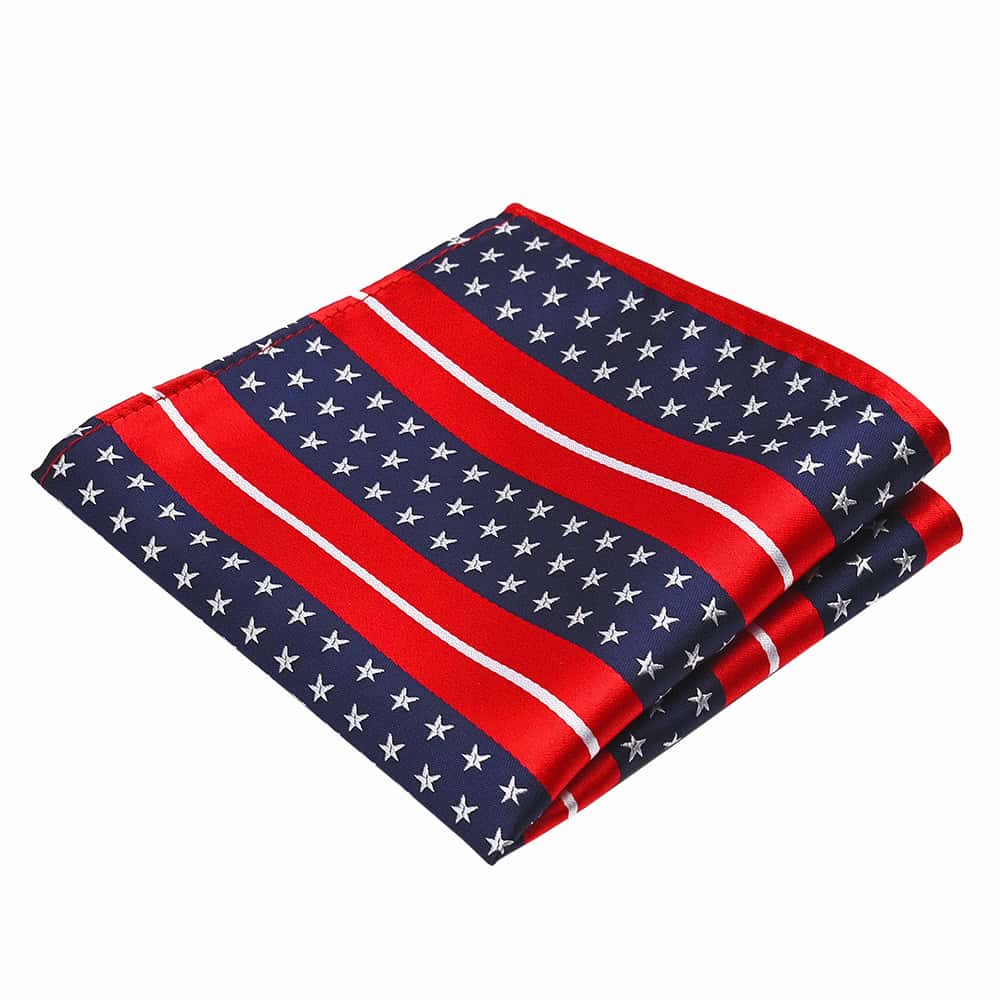
Flag
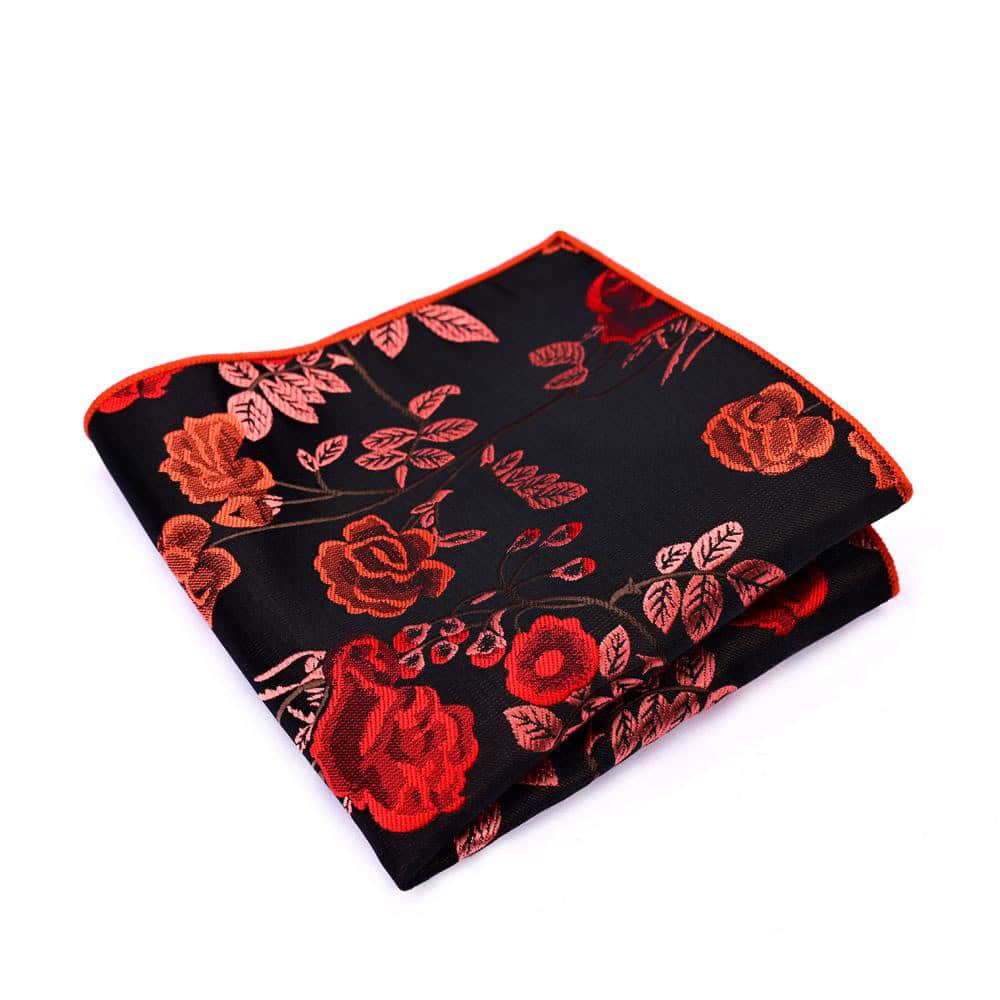
Floral
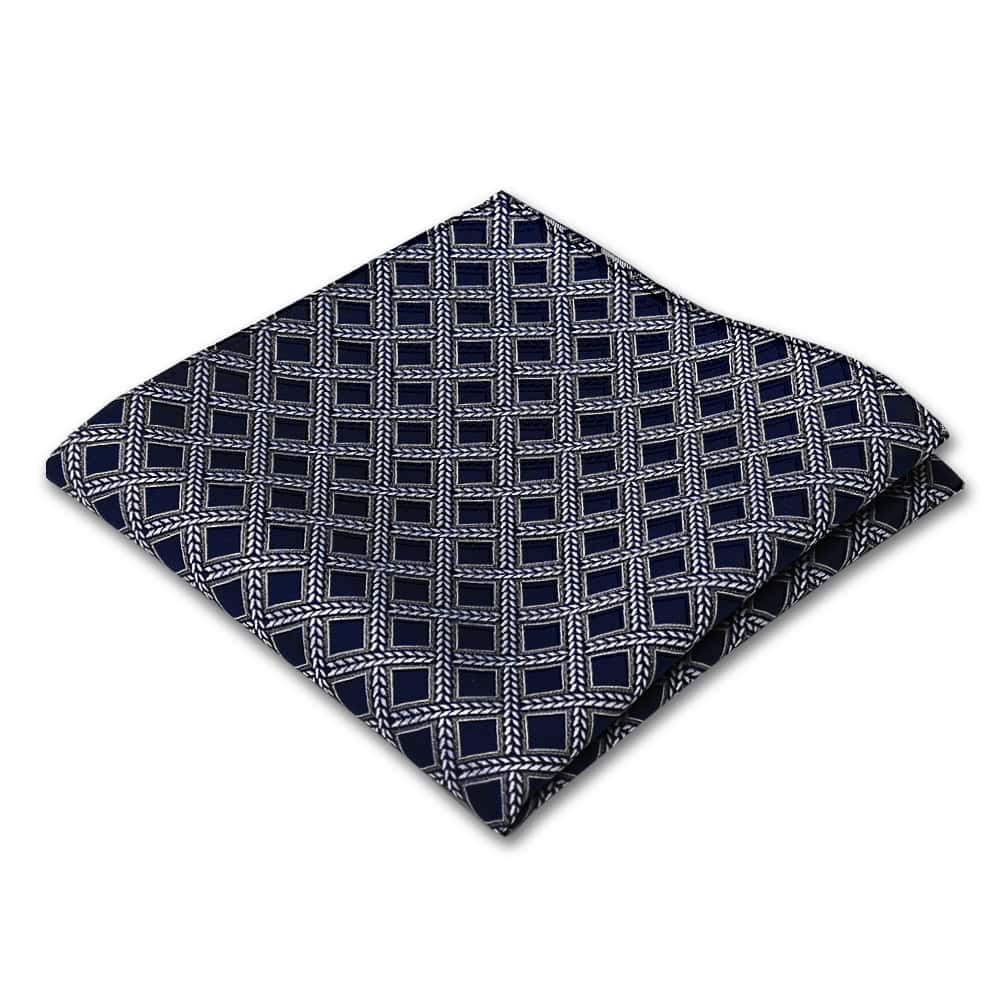
Geometric
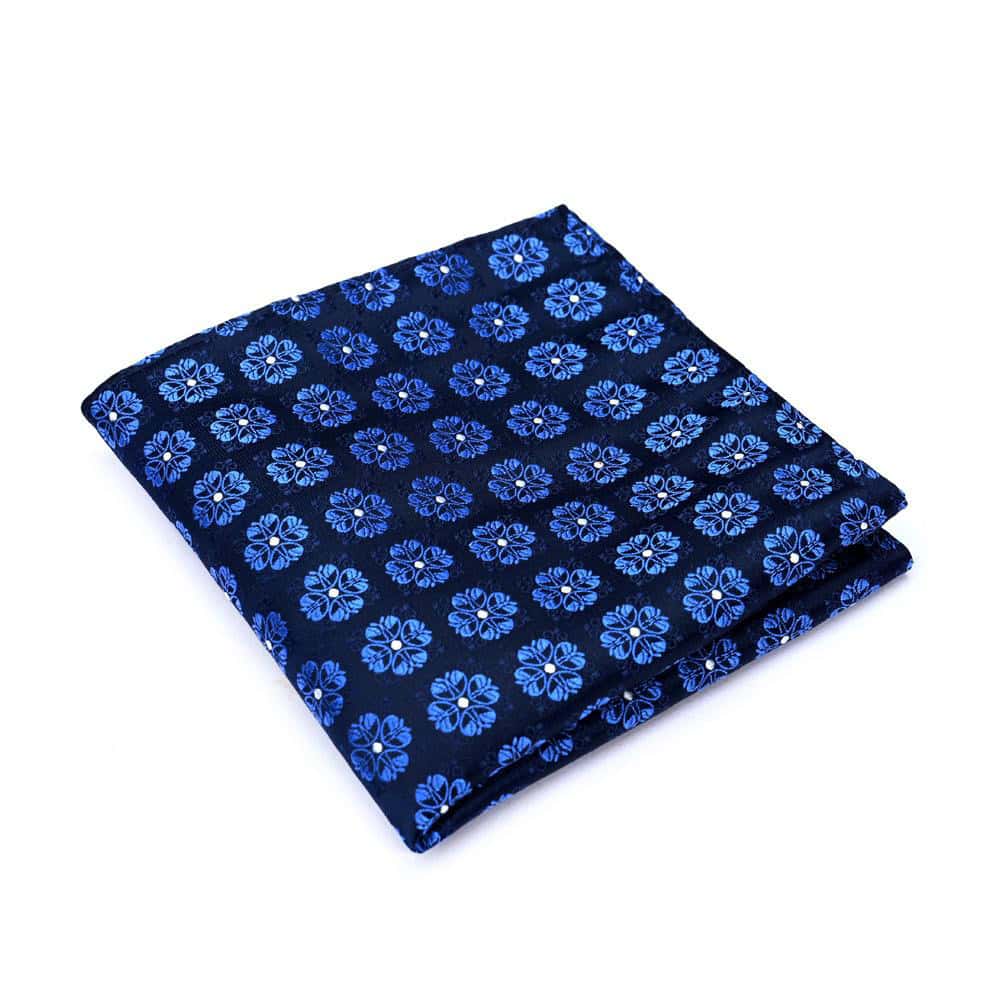
Novelty

Paisley
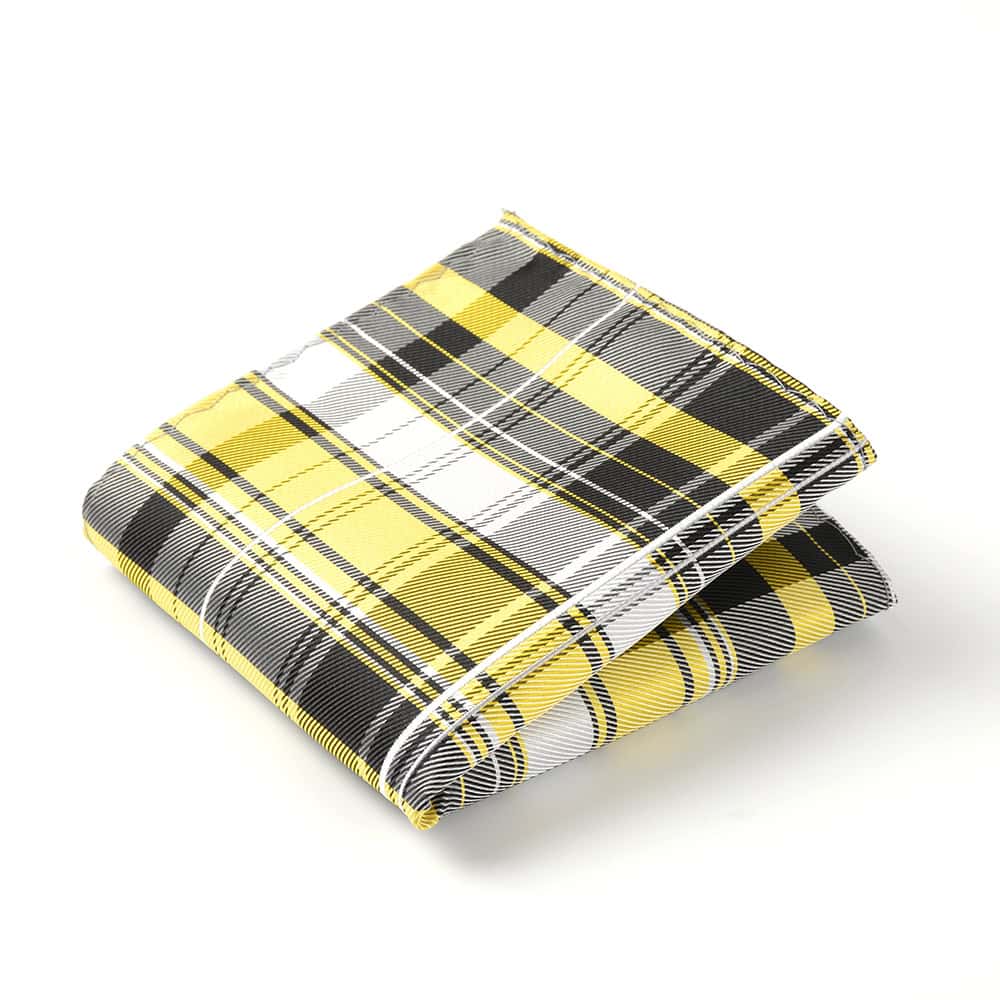
Plaid
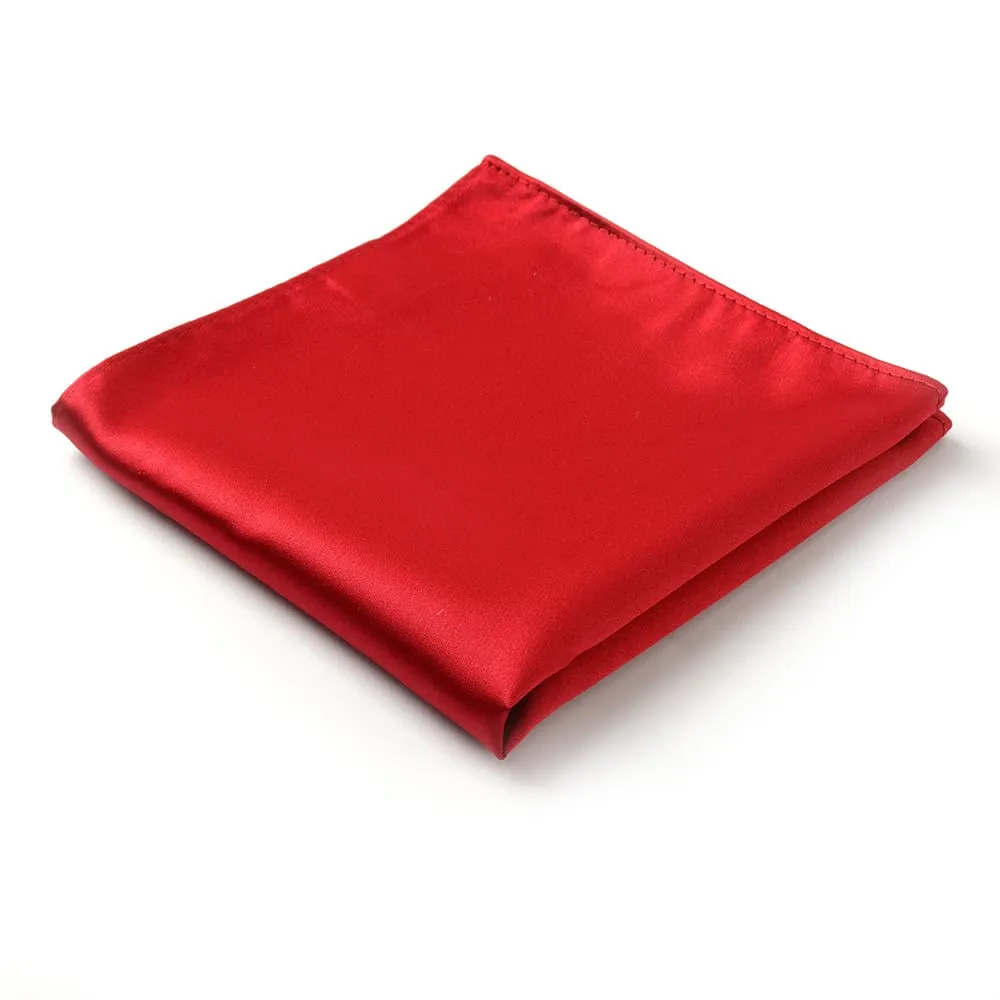
Plain
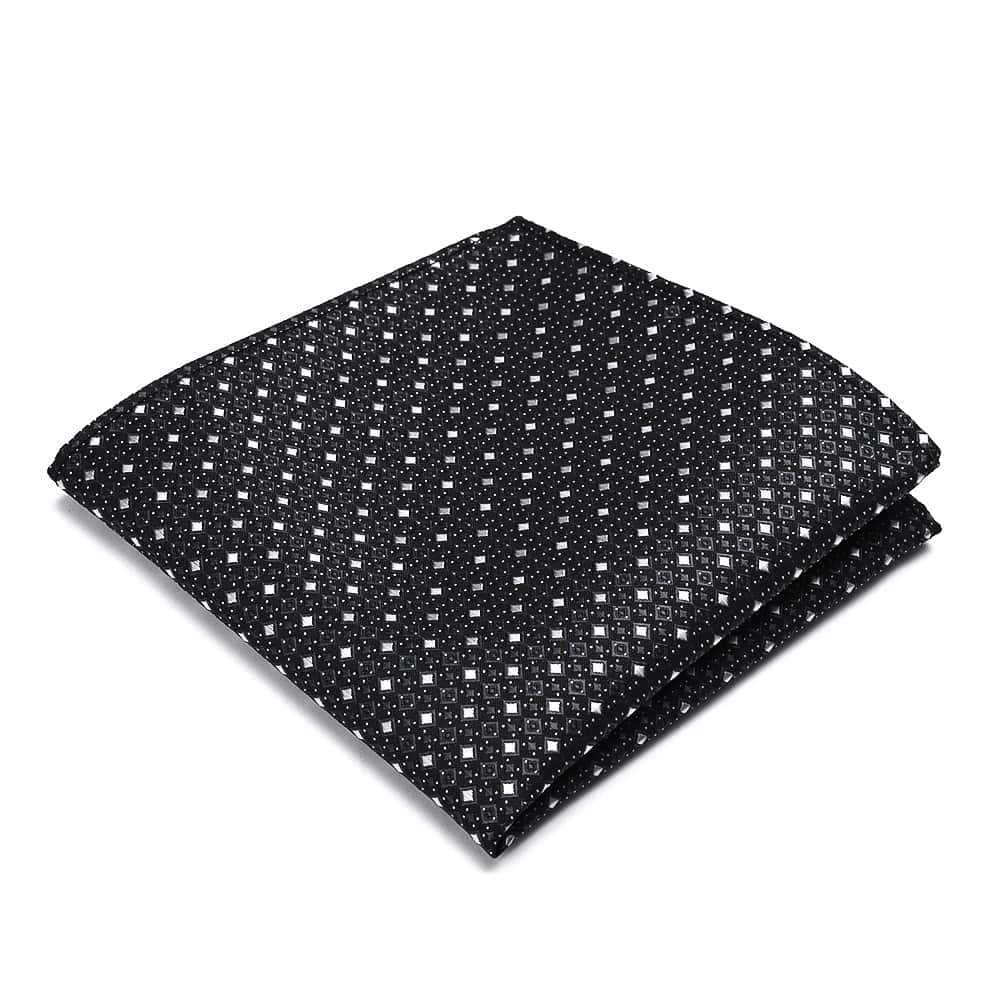
Polka-dots
Choose Your Custom Handkerchief Fabric
In our commitment to safeguarding the Earth and its inhabitants, we primarily offer natural materials such as silk, wool, cashmere, and blended biodegradable fabrics. Additionally, we provide recycled options like polyester crafted from plastic bottles and recycled cotton from old garments, alongside organic choices like organic cotton.
Quality Raw Materials
Premium yarn constitutes the foundation of exquisite silk Handkerchief.


Choose The Printing
Common printing techniques
01
Digital printing techniques
Digital printing techniques enable the transfer of intricate designs and images directly onto silk material. This method is efficient, with sample creation taking roughly 7-10 days and bulk production spanning between 15-20 days.
The advantage of digital printing includes its minimal requirement for quantities, starting as low as 10 pieces per design with potential for even smaller orders.
A notable limitation of this process is the depth of ink penetration, which often results in the reverse side exhibiting only 50-60% of the front's color intensity.
02
Two-sided digital printing
Two-sided digital printing represents a significant evolution in fabric printing techniques, allowing for the application of designs on both sides of a textile.
This advanced method ensures that ink thoroughly permeates the fabric, enabling identical or distinct patterns to be showcased on each side, essentially offering two scarves in a single piece.
The starting order quantity for double-sided digital printing is set at 100 pieces per design.
However, it's essential to consider that this process may involve extended production times and cost more than traditional single-sided digital printing.
03
screen printing
The key benefit of double-sided digital textile printing lies in its ability to produce crisp and clear imagery on both the outward-facing and reverse surfaces, ensuring sharp demarcation of patterns.
Whereas, with screen printing, a method preferred by celebrated labels such as Hermes, the ink deeply embeds into the fabric, creating a high-quality finish surpassing standard digital techniques.
Screen printing stands out for its long-lasting, vivid quality, and cost-efficiency for bulk orders.
It's worth noting, though, that screen printing stipulates a minimum order of 100 units per color, accompanied by a color screen fee of $20 USD per hue.
Choose Popular Sizes
|
Scarf Shape |
Popular Sizes |
| Square |
Small squares (Bandana-size): Around 22-24 inches square. Medium squares: Around 27-32 inches square. Large squares: 36+ inches square, sometimes worn as shawls or wraps. |
| Rectangle |
Narrow Scarves: Width: 6-12 inches, Length: 50-70 inches Perfect for a classic neck tie style or skinny scarf look. Medium Scarves:Width: 12-20 inches,Length: 60-80 inches This is a very common and versatile size, offering various styling options. Oversized Scarves/Wraps: Width: 20+ inches, Length: 70+ inches These offer more warmth and coverage, and can be styled like shawls. |
| Triangle | Small Triangle Scarf: Base: 30-40 inches, Height: 12-18 inches Worn close to the neck as a bandana or classic kerchief style. Medium Triangle Scarf: Base: 40-55 inches, Height: 18-25 inches Offers more versatility and fabric to work with for different styling options. Large Triangle Scarf: Base: 55+ inches, Height: 25+ inches Can be worn as a wrap or shawl for additional warmth or a more dramatic look. |

Choose Your Custom Square Edge

Hand Roll

Machine Zig-Zag Hem

Machine Baby Hem
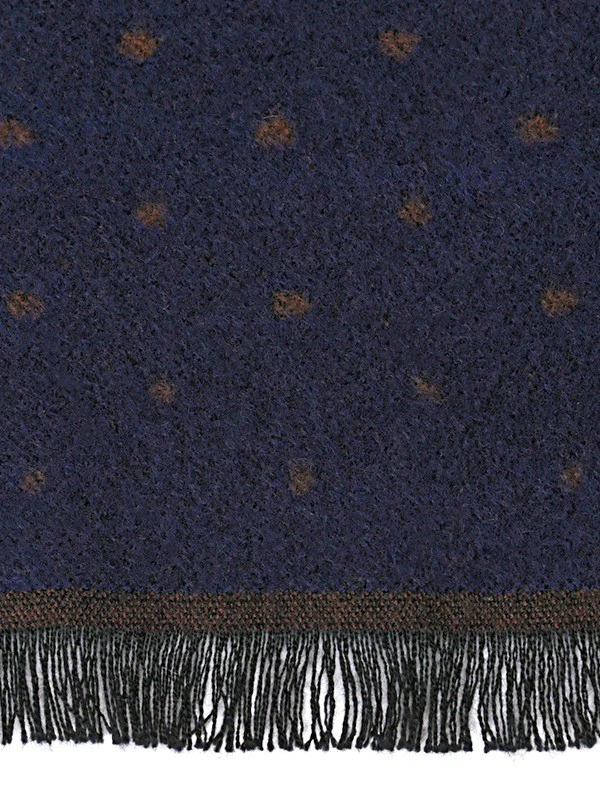
Fringe

Machine Rolled Hem Foot
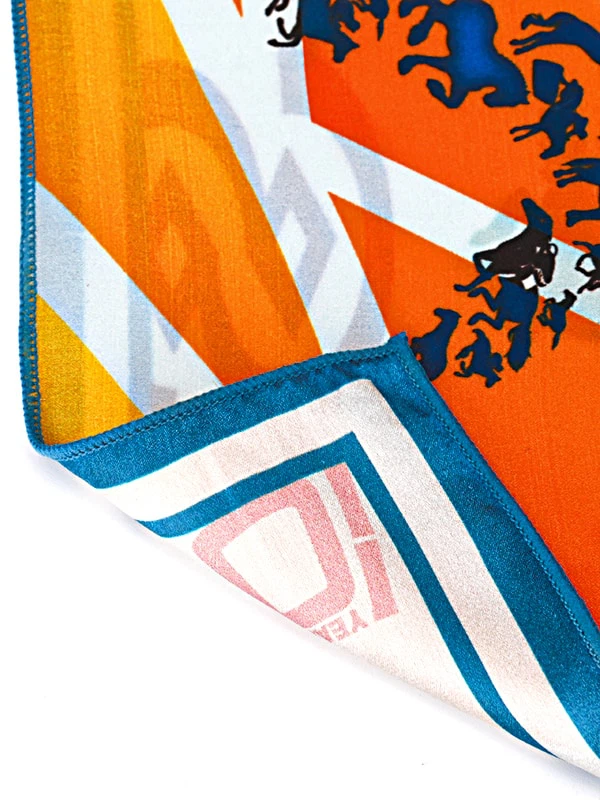
Three-thread Overlock
Choose Labels, Hangtags & Packages
Custom Pocket Square Label
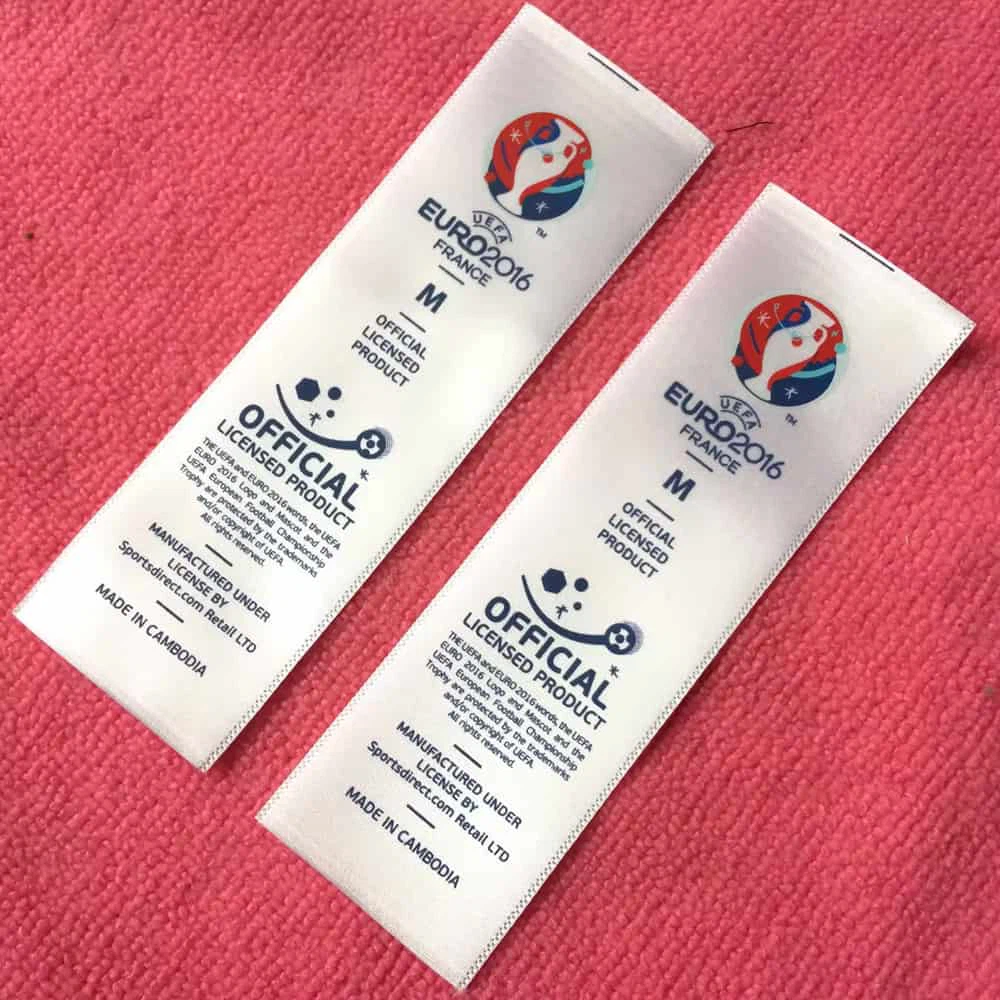
Printed Labels
Printed labels exhibit distinct characteristics through their creation process, utilizing techniques such as digital, flexographic, and screen printing to ensure detailed and durable branding on a variety of materials.

Woven Labels
Woven labels are made by weaving text and designs directly into the fabric using threads, creating a high-quality, durable label that can feature intricate details and is commonly used for branding on clothing and other textiles.

scarf label hand sewing
Scarf label hand sewing stands out for its meticulous craftsmanship, as each label is individually stitched onto the scarf, offering a customizable value of the garment.

scarf label machine sewing
Machine sewing is characterized by its efficiency and uniformity, using automated machines allows for consistent stitching of labels onto scarves at a high speed.
Custom Pocket Square Hangtags

Smooth coated paper Hangtag
Smooth coated paper hangtags are crafted using high-grade paper with a coated finish. This coating can either be glossy or matte, enhancing the tactile experience and adding a visually appealing sheen or a sophisticated subtle glow to the tag.
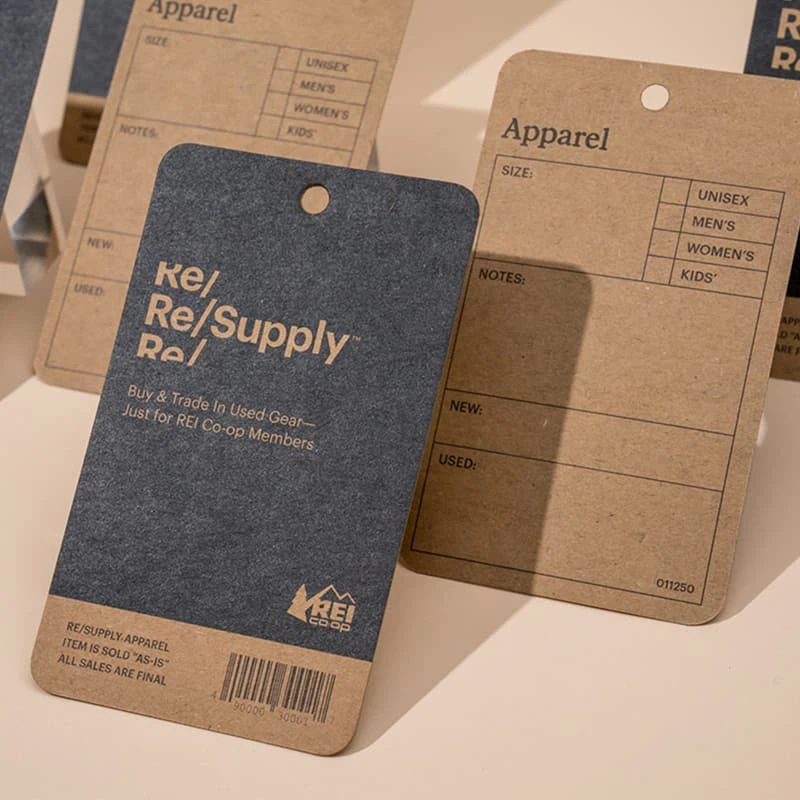
Kraft paper Hangtag
Kraft paper hangtags boast a distinctive, rustic appeal that's quite popular with eco-friendly and artisan brands. Characterized by its natural brown color and textured feel, kraft paper gives a sense of organic quality and simplicity.

PVC Hangtag
PVC hangtags are known for their durability and versatility. Made from polyvinyl chloride, these tags are plastic-based and offer a water-resistant and tear-proof quality that paper tags cannot match. They have a smooth plastic surface that feels substantial and sturdy in hand.

Leather Hangtag
Leather hangtags exude a sense of luxury and sophisticated craftsmanship. Made from genuine or synthetic leather, these tags are durable and have a high-end tactile appeal. The material itself has a rich texture that can vary from smooth and polished to a more rugged and grainy feel.
Custom Pocket Square Packages


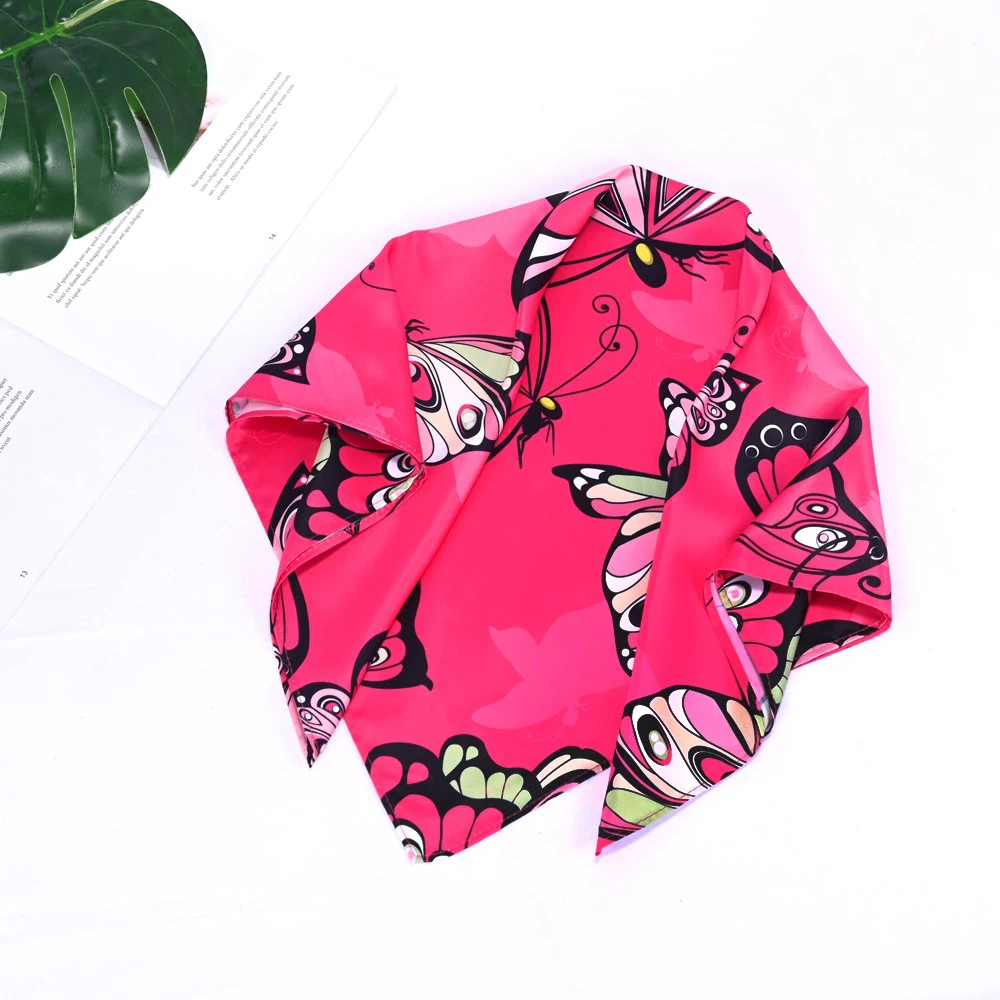
Custom Pocket Square Cases



FAQ
Material Properties
Q: Why choose cotton for pocket squares?
A: Cotton pocket squares are popular for their natural softness, breathability, and durability. They are machine washable, easier to iron than silk, and offer stiff edges ideal for structured folds. However, they may wrinkle more easily than synthetic materials.
Q: How does cotton compare to silk or polyester?
A: Cotton is more affordable than silk and offers better structure for folding compared to silk’s soft edges. Unlike polyester, cotton is natural and breathable, but may be less wrinkle-resistant.
Q: Do cotton pocket squares shrink or fade?
A: Cotton can shrink if washed in hot water and dyes may fade over time. We recommend hand washing in cold water and line drying to maintain size and color vibrancy.
Q: What finishes are available for cotton pocket squares?
A: We offer finishes like stone-washing for a casual look, enzyme-washing for softness, and sanforization to minimize shrinkage. Functional finishes like anti-wrinkle or water-repellent are also available.
Q: What are the size options for cotton pocket squares?
A: Our standard size is 25x25 cm, ideal for versatile folding. We also offer 30x30 cm for a dramatic look or 35x35 cm for minimalist styles. Custom sizes can be produced upon request.
Customization Services
Q: Do you offer custom designs or logos?
A: Yes, we provide full customization for designs, logos, and patterns. You can send your design ideas, and our team will assist with technical adjustments for optimal printing or jacquard weaving.
Q: What is the MOQ for customized orders?
A: The minimum order quantity for customized cotton pocket squares is 100 pieces per color/design. Smaller orders may be accommodated but require additional confirmation.
Q: What customization techniques are available?
A: We offer screen printing, digital printing, and jacquard weaving for patterns. Customization includes colors, patterns, logos, and packaging.
Q: Can I request specific fabric blends?
A: Yes, we can produce cotton blended with polyester or other materials to enhance durability, reduce wrinkling, or adjust texture.
Q: How long does customization take?
A: Sample production takes 7–14 days, and mass production requires 4–6 weeks. Rush services are available for urgent orders.
Quality Control
Q: What quality standards do you follow?
A: We adhere to AQL (Acceptable Quality Level) standards (e.g., Major 2.5, Minor 4.0) and ISO guidelines for inspections. Our quality control covers raw materials, production processes, and final products.
Q: How do you ensure color consistency?
A: We conduct color fastness tests to prevent fading or bleeding. Colors are matched to approved samples or Pantone codes, and we ensure uniformity across batches.
Q: What defects do you check for during inspection?
A: We inspect for fabric flaws (e.g., stains, holes), stitching issues, size deviations, and accessory quality (e.g., buttons, labels). Symmetry, pattern alignment, and packaging are also verified.
Q: Do you provide quality reports for orders?
A: Yes, we provide detailed inspection reports including measurements, defect classifications, and compliance with specifications.
Q: How do you handle defective products?
A: Defective products are rejected during inspections and replaced or repaired to meet quality standards. We maintain records for continuous improvement.
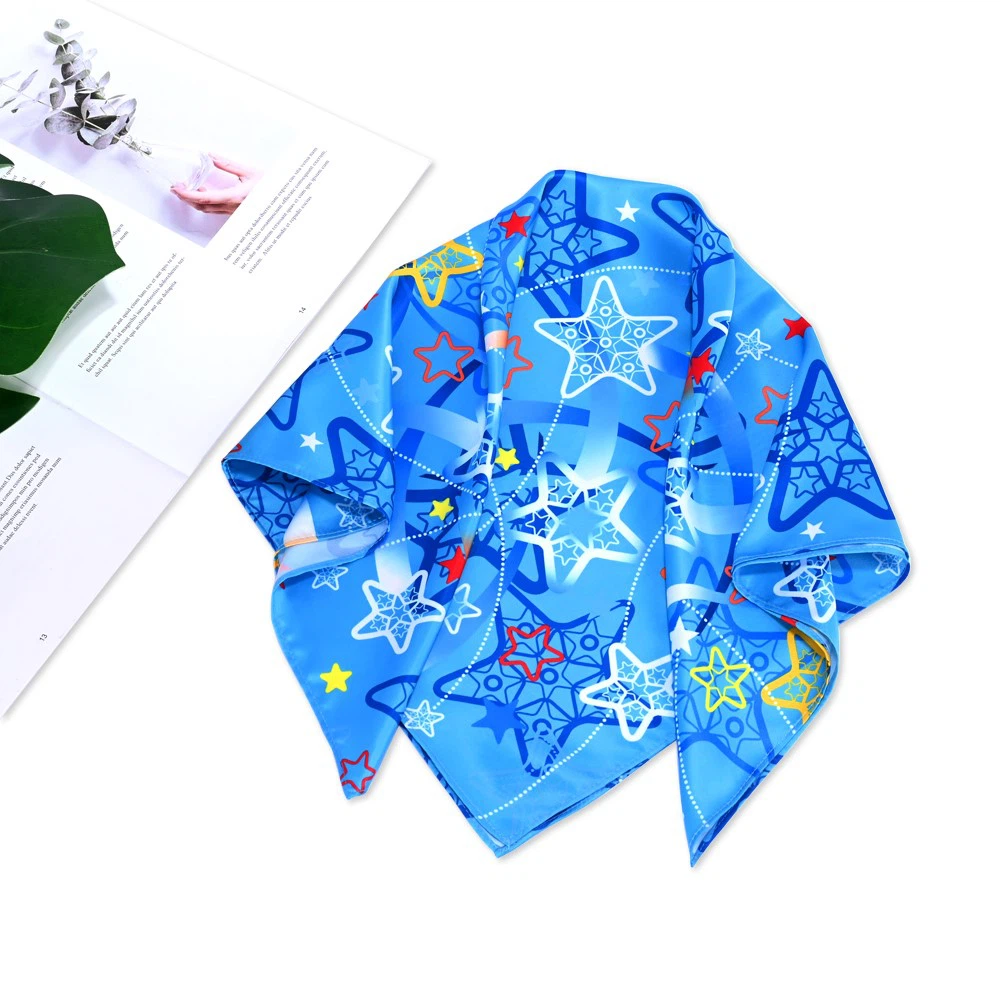
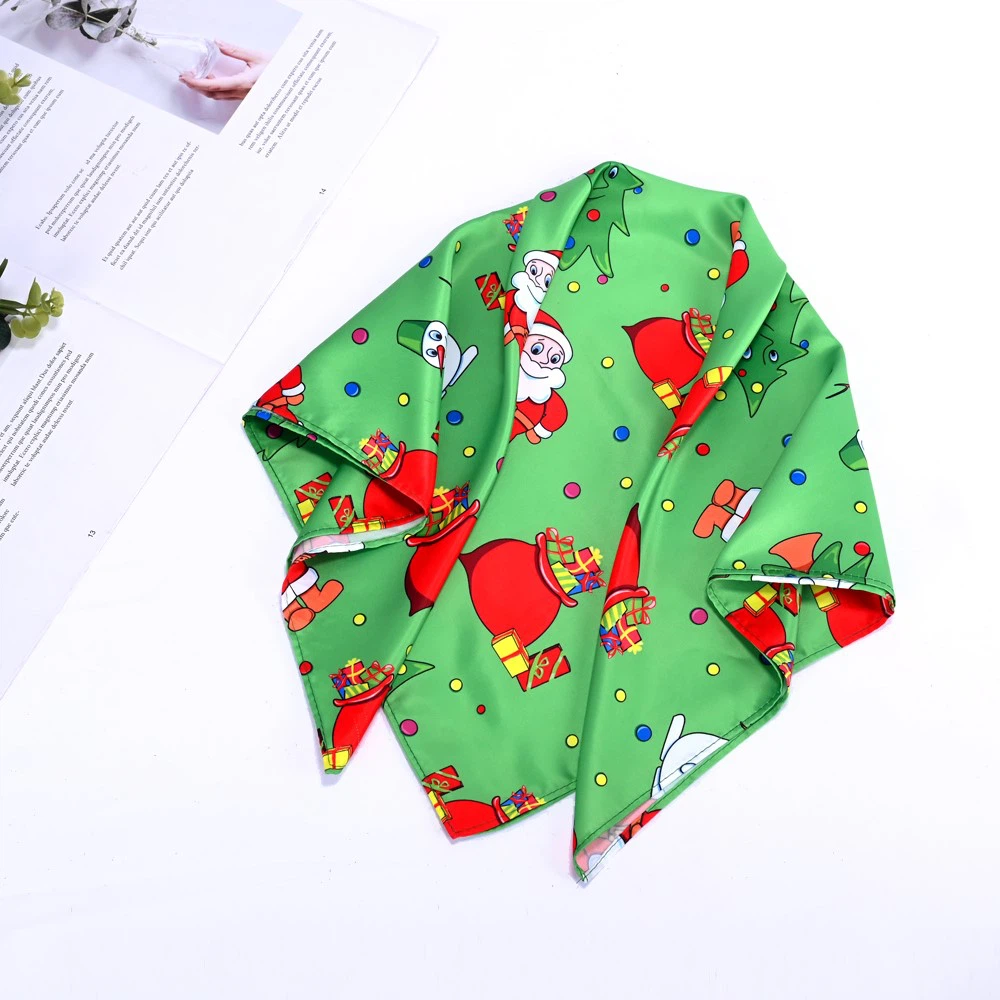
Shengzhou Yili is one of the leading China cotton pocket square manufacturers and suppliers, certified by ISO9001 and BSCI. Welcome to wholesale cotton pocket square from our factory here and enjoy good customized service with us.
Cotton Printed Pocket Square, Polyester Pocket Square, Pocket SquareSend Inquiry