

How to Leverage Free Trade Zones and FTAs to Reduce Import Duties on Neckwear from China
Jul 25, 2026
Leave a message
Introduction: Why Import Duties Matter for Neckwear Buyers
When sourcing neckties, scarves, and jacquard fabrics from China, import duties can significantly affect your total cost. For buyers in the United States, European Union, Australia, and Southeast Asia, tariffs on textile products ranging from 8% to 20% can erode profit margins substantially. Yet many buyers are unaware that strategically using Free Trade Zones (FTZs) and Free Trade Agreements (FTAs) can substantially lower-or even eliminate-these duties.
For B2B neckwear buyers working with Chinese manufacturers like YILI Necktie & Garment Co., Ltd., understanding these mechanisms is not just a logistics consideration-it is a core component of competitive sourcing strategy. This guide walks you through the practical steps to leverage FTZs and FTAs to reduce your landed cost on neckwear imports from China.

Understanding Free Trade Zones: What They Are and How They Work
A Free Trade Zone (FTZ)-also known as a bonded zone or bonded logistics center in China-is a designated geographic area where goods can be stored, processed, and assembled without immediately subject to customs duties. China operates over 100 FTZs across its provinces, including major manufacturing hubs such as Zhejiang, Guangdong, and Shanghai.
Key Benefits of Using FTZs for Textile Imports
- Duty Deferment: Customs duties are not paid until goods leave the FTZ for domestic consumption. This improves cash flow during the supply chain.
- Duty Reduction or Elimination: When goods are transshipped through an FTZ before export, certain FTZ-to-FTZ transfers may qualify for duty exemptions.
- Flexibility in Logistics: Buyers can consolidate shipments from multiple Chinese suppliers within the FTZ before exporting, reducing per-unit logistics costs.
- Value-Added Processing: Packaging, labeling, and minor assembly operations conducted within the FTZ may further shift the classification and reduce applicable duty rates.
For neckwear specifically, the HS Code classification (typically 6215 for ties and 6214 for scarves) determines the baseline duty rate. However, origin rules under applicable FTAs can reduce these rates significantly for qualified shipments.

China's Network of Free Trade Agreements: Who It Covers
China has established or is negotiating FTAs with over 30 countries and regional blocs. For neckwear buyers, the most commercially relevant agreements include:
RCEP (Regional Comprehensive Economic Partnership)
RCEP, which entered full force on June 2, 2023, is the world's largest free trade agreement, covering 15 Asia-Pacific nations including China, Japan, South Korea, Australia, New Zealand, and all ten ASEAN member states. For textile buyers, RCEP's rules of origin allow goods to qualify for reduced tariffs when they meet minimum regional content requirements-typically 40% local value content or a change of tariff classification.
China's exports of textile products to RCEP members benefit from progressively reduced tariffs. For example, Chinese silk neckwear exported to Japan can see import duties drop from the MFN rate of 8-10% to as low as 0-5% under RCEP, depending on the product's HS classification and qualifying criteria.
China-ASEAN Free Trade Area (CAFTA)
The China-ASEAN Free Trade Area, operational since 2010 and upgraded to "Version 3.0" in 2025, is particularly relevant for buyers in Southeast Asia. Under CAFTA, textile products meeting the rules of origin qualify for preferential tariff rates or even duty-free treatment. For buyers sourcing from YILI in Zhejiang province for distribution in Thailand, Vietnam, or Indonesia, CAFTA offers substantial savings compared to standard MFN rates.
China-Australia Free Trade Agreement (ChAFTA)
ChAFTA, in force since 2015, has progressively reduced tariffs on Chinese textile exports to Australia. Most textile categories-including neckwear-now enjoy 0% import duty under ChAFTA, making Australia one of the most cost-effective markets for Chinese neckwear buyers.
China-Chile FTA (FORM F)
The China-Chile FTA, operational since 2006, offers preferential origin certificates (FORM F) for qualifying goods. For neckwear buyers in South America, presenting a valid FORM F certificate can reduce import duties substantially. Chinese silk neckwear entering Chile under ChAFTA benefits from significantly lower tariff rates compared to standard Most Favored Nation (MFN) duties.

How to Qualify for FTA Benefits: Rules of Origin Explained
The primary requirement for FTA duty reduction is demonstrating that your neckwear products meet the relevant agreement's rules of origin (ROO). These rules define how much of a product must be manufactured or sourced within the FTA region to qualify for preferential treatment.
Three Common Types of Rules of Origin
- Regional Value Content (RVC): A specified percentage of the product's value must be added within the FTA region. For many textile products under RCEP, the RVC threshold is 40% or higher.
- Change of Tariff Classification (CTC): The product must undergo a significant transformation-such as weaving yarn into fabric, or sewing fabric into finished neckwear-within the FTA region.
- Specific Manufacturing Processes: Certain products require that specific production steps (e.g., weaving, dyeing, finishing) occur within the region to qualify.
For neckwear buyers, this means understanding what your Chinese supplier is actually manufacturing versus what they are sourcing externally. YILI Necktie & Garment Co., Ltd.'s integrated production-from yarn to finished neckwear-makes it well-positioned to support RVC documentation and origin tracing.
Documentation You Will Need
- Certificate of Origin (COO), issued by China Customs or an authorized agency
- Commercial invoices and packing lists
- Bill of materials showing regional content percentages
- Manufacturing records documenting each production stage
- Bill of lading showing direct shipment or FTZ transit

Practical Strategy 1: Route Shipments Through a Chinese FTZ
For buyers not directly covered by a China-FTA partner country, routing shipments through a Chinese FTZ before export can still create financial and logistical advantages. Here's how to structure it:
- Have your Chinese manufacturer ship neckwear products to a designated Chinese FTZ (e.g., Ningbo FTZ or Shanghai FTZ, both highly accessible from Zhejiang province where YILI is located).
- Store, repack, or perform minor value-added services within the zone.
- Consolidate with other shipments if sourcing from multiple suppliers.
- Export from the FTZ with proper documentation to take advantage of any available duty deferments or exemptions.
The key is ensuring your freight forwarder and customs broker are experienced with FTZ-to-foreign-country transit procedures and can handle the required export documentation cleanly.
Practical Strategy 2: Choose the Right FTA Destination Country as a Transshipment Point
If your end market is a non-FTA country (such as the United States), consider whether routing through an FTA partner country-and processing the shipment there-could shift the duty treatment. For example:
- Ship Chinese-origin neckwear to Australia (0% duty under ChAFTA).
- Perform minimal processing or simply re-label within Australia.
- Export to the United States with Australian origin documentation, potentially benefiting from lower MFN-like rates under the US-Australia FTA, or use the first-sale rule for duty reduction.
This approach requires careful legal and customs analysis, as "substantial transformation" rules govern whether a product can legally claim new origin. Always consult a licensed customs broker before implementing transshipment strategies.
Practical Strategy 3: Maximize Regional Value Content in Your Supply Chain
For FTAs like RCEP that rely on regional value content calculations, increasing the proportion of locally sourced inputs boosts your duty reduction eligibility. Practical steps include:
- Source yarn and base fabrics from RCEP-region suppliers where possible, rather than from outside the region (e.g., from India or Europe).
- Work with suppliers like YILI that manufacture internally from raw materials, rather than sourcing finished components externally-this creates a clearer and higher RVC trail.
- Request detailed cost breakdowns from your supplier showing the proportion of regional versus non-regional content, so you can calculate and document RVC accurately.
Navigating US Tariffs: The Section 301 and Trump-Era Duties
For US buyers specifically, the picture is more complex. Since 2018, the United States has imposed multiple rounds of tariffs on Chinese goods under Section 301 and various executive orders, with textile and apparel products facing tariffs of 7.5% to 25% depending on the product category and announcement date.
Unfortunately, most US-China trade agreements do not currently offer meaningful duty relief for neckwear. However, buyers can explore several approaches:
- First Sale Rule: If goods are sold through a middleman in a third country, the first sale price may be used for customs valuation, potentially lowering the dutiable value.
- Foreign Trade Zone (US FTZ): US buyers can store Chinese neckwear in a US FTZ without paying duties until the goods enter the US market. Inverted tariff relief may also apply in certain circumstances.
- Tariff Exclusion Requests: Periodically, the US Trade Representative opens windows for exclusion requests on specific product categories. Monitoring these opportunities and filing well-documented requests has helped some importers secure temporary relief.

Working with YILI Necktie & Garment: Your China Manufacturing Partner
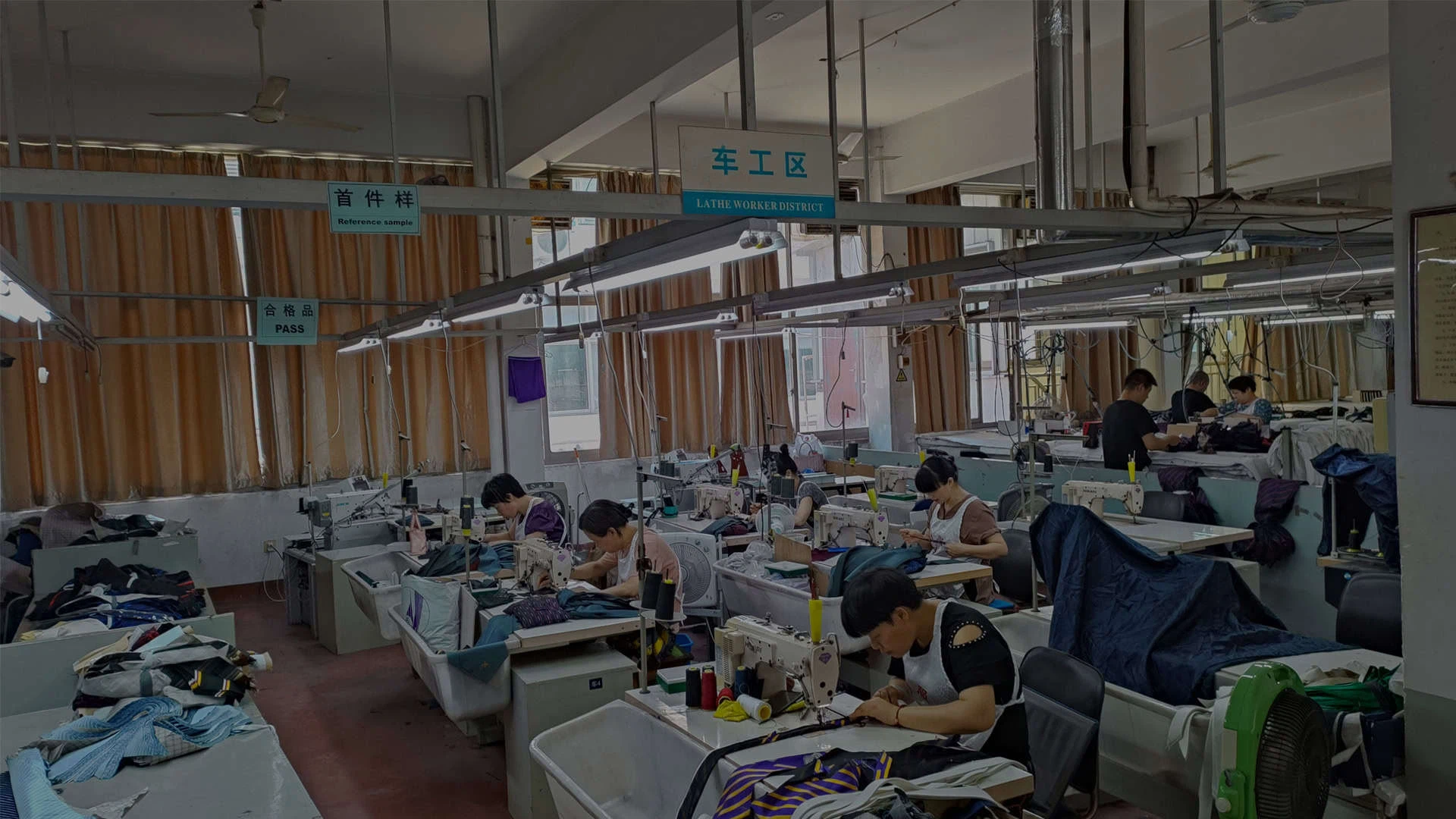
YILI Necktie & Garment Co., Ltd., established in 1994 in Shengzhou, Zhejiang-China's necktie capital-operates a fully integrated manufacturing facility spanning yarn sourcing, fabric weaving (including jacquard), dyeing, printing, and finished neckwear production. This vertical integration is a significant advantage when navigating FTA rules of origin, as the company can provide comprehensive production records and value content documentation.
When placing orders with YILI for export to FTA-eligible markets, communicate your target destination country and any FTA preference upfront. YILI's export team can advise on which FTAs you may qualify for, assist with Certificate of Origin documentation, and coordinate with freight forwarders to ensure proper routing through FTZs where applicable.

Conclusion: Build Duty Optimization Into Your Sourcing Strategy
Reducing import duties on neckwear from China is not a one-time optimization-it is an ongoing strategic capability. By understanding the FTA landscape, structuring shipments through FTZs, maximizing regional value content, and maintaining meticulous documentation, B2B neckwear buyers can meaningfully reduce their landed costs and improve margins on every order.
The most competitive buyers treat trade compliance and duty optimization as core procurement competencies, not afterthoughts. With China's expanding network of FTAs and preferential trade agreements, the opportunity to source smarter-and cheaper-is larger than ever.
Send Inquiry