

Silk vs Polyester Ties: Which One Should You Choose in 2026?
Mar 31, 2026
Leave a message
When shopping for neckties, one of the most important decisions you'll face is choosing the right fabric. The two most popular options-silk and polyester-each offer distinct advantages and disadvantages. Whether you're a business professional building your wardrobe, a retailer sourcing inventory, or a procurement manager selecting corporate accessories, understanding these differences can save you money while ensuring you get the quality you need.
In this comprehensive guide, we'll break down everything you need to know about silk versus polyester ties, helping you make an informed decision for your specific needs and budget.
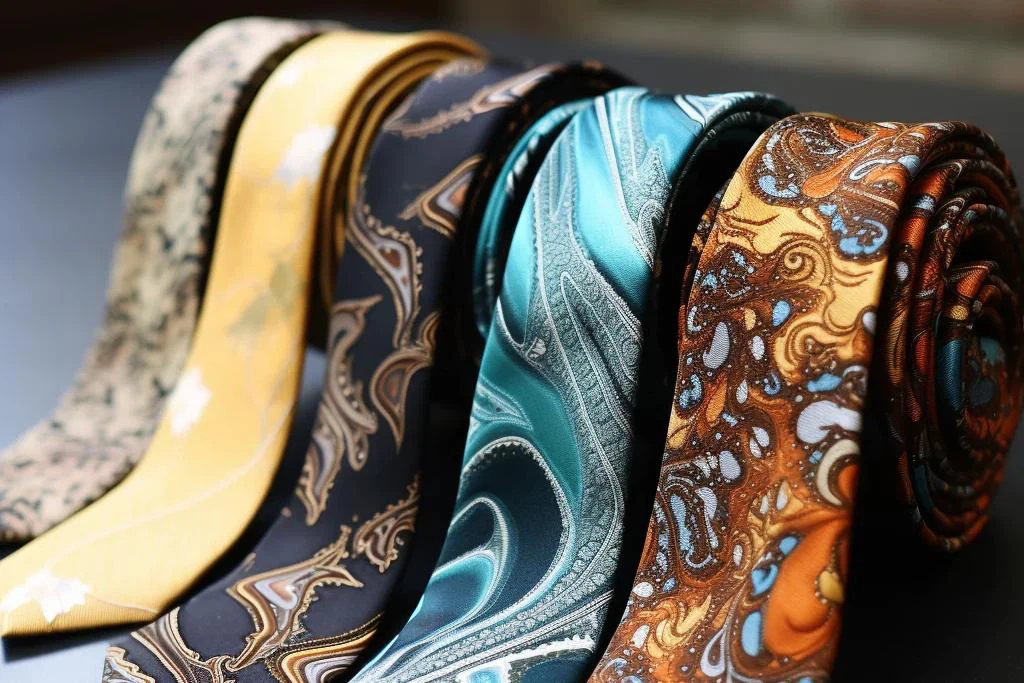
Side-by-side comparison showing the texture difference between silk and polyester ties
The Luxury Choice: Understanding Silk Ties
Silk has been the gold standard for neckties for centuries, and for good reason. This natural protein fiber, produced by silkworms, offers unmatched elegance and performance.

Premium silk necktie with natural sheen and luxurious drape
Advantages of Silk Ties
1. Superior Texture and Appearance
Silk ties possess a natural sheen and luxurious drape that polyester simply cannot replicate. The fabric catches light beautifully, creating subtle variations in color that add depth and sophistication to any outfit. When you wear a silk tie, the difference is immediately noticeable.
2. Excellent Knot Performance
One of silk's standout features is how well it holds a knot. Silk's natural friction allows it to maintain a crisp, defined knot throughout the day without slipping or loosening. Whether you prefer a classic Windsor or a sleek Four-in-Hand, silk delivers consistent results.
3. Breathability and Comfort
Silk is a breathable natural fiber that helps regulate temperature. This makes silk ties more comfortable to wear, especially during long meetings or in warmer climates. The fabric won't trap heat against your skin like synthetic alternatives.
4. Durability When Properly Cared For
Contrary to popular belief, high-quality silk ties are quite durable. With proper care-gentle cleaning and appropriate storage-a silk tie can last for many years, often outlasting cheaper polyester alternatives.
Disadvantages of Silk Ties
1. Higher Cost
The most significant drawback of silk ties is the price. Quality silk ties typically cost between $30 and $100 or more, making them a more substantial investment than polyester options.
2. Maintenance Requirements
Silk ties require more careful handling. They should be dry cleaned rather than machine washed, and stains need immediate attention. Water spots can permanently damage silk if not treated properly.
3. Wrinkle Susceptibility
While silk drapes beautifully, it can wrinkle more easily than polyester. Proper storage on a tie rack or rolled in a drawer helps minimize this issue.
The Practical Alternative: Understanding Polyester Ties
Polyester ties have come a long way since their introduction. Modern manufacturing techniques have significantly improved their appearance and performance, making them a viable option for many situations.

Clean and professional polyester necktie, affordable and easy to maintain
Advantages of Polyester Ties
1. Affordability
Polyester ties are significantly less expensive than their silk counterparts, typically ranging from $5 to $25. This makes them an excellent choice for budget-conscious shoppers or those needing to purchase ties in bulk for employees or events.
2. Easy Maintenance
Polyester is highly resistant to wrinkles and can often be machine washed or spot cleaned with minimal risk. This low-maintenance quality makes polyester ties ideal for everyday wear or travel.
3. Stain Resistance
Polyester fibers naturally resist staining better than silk. Small spills can often be wiped away without leaving permanent marks, making polyester ties practical for dining or networking events.
4. Consistent Availability
Polyester ties are widely available in virtually every color, pattern, and style imaginable. Mass production capabilities mean you'll never struggle to find exactly what you need.
Disadvantages of Polyester Ties
1. Inferior Drape and Shine
While modern polyester ties look better than ever, they still lack the natural luster and fluid drape of silk. The fabric can appear slightly stiff or plastic-like, particularly in budget options.
2. Knot Performance
Polyester ties tend to be more slippery than silk, which can result in knots that loosen throughout the day. You may find yourself adjusting your tie more frequently.
3. Less Breathable
As a synthetic material, polyester doesn't breathe as well as natural silk. In warm conditions or during extended wear, polyester ties can become uncomfortable.
4. Environmental Considerations
Polyester is a petroleum-based product that doesn't biodegrade. For environmentally conscious consumers, silk's natural, renewable origins may be preferable.
Head-to-Head Comparison
| Feature | Silk Ties | Polyester Ties |
|---|---|---|
| Price Range | $30 - $100+ | $5 - $25 |
| Appearance | Natural sheen, elegant drape | Good, but slightly artificial |
| Knot Hold | Excellent | Fair (may loosen) |
| Maintenance | Dry clean only | Machine washable |
| Durability | High (with proper care) | Moderate |
| Comfort | Very breathable | Less breathable |
| Best For | Business, formal events | Daily wear, uniforms |
How to Choose: Making the Right Decision
Choose Silk Ties If:
- You want the best possible appearance for important meetings or events
- You appreciate luxury and are willing to invest in quality
- You need a tie that will maintain a perfect knot all day
- Comfort and breathability are priorities
- You're building a professional wardrobe for long-term use
Choose Polyester Ties If:
- Budget is a primary concern
- You need ties for everyday wear or uniforms
- Easy maintenance is important
- You're purchasing in bulk for employees or events
- You want worry-free wear for travel or dining

A perfectly tied knot is easier to achieve and maintain with silk ties
How to Identify Real Silk Ties
Unfortunately, some retailers mislabel polyester ties as silk. Here are reliable methods to verify authenticity:
1. The Burn Test (if you have a small sample)
Silk burns slowly with a smell similar to burning hair and produces a black, crushable ash. Polyester melts and produces a chemical smell.
2. The Touch Test
Real silk feels warm to the touch and has a distinct smoothness with slight friction. Polyester often feels cooler and more slippery.
3. Check the Label
Look for labels stating "100% Silk" or "Pure Silk." Be wary of terms like "silky feel" or "silk-like," which often indicate polyester.
4. Price Point
If a deal seems too good to be true, it probably is. Quality silk ties rarely cost less than $20-30 wholesale.
5. Source from Reputable Manufacturers
Purchase from established manufacturers like YILI, who provide authentic silk ties with proper certifications and transparent sourcing.
Conclusion
Both silk and polyester ties have their place in the modern wardrobe. Silk remains the premium choice for those who value luxury, performance, and longevity, while polyester offers practical affordability for everyday use.
Consider your specific needs: a silk tie for your next board presentation or wedding, polyester ties for daily office wear or uniform programs. Many professionals maintain a mix of both, reserving silk for special occasions and using polyester for routine wear.
At YILI, we specialize in premium silk neckties manufactured to the highest standards since 1994. Whether you're looking for classic styles or custom designs, our expertise ensures you receive authentic quality worthy of your investment.
Ready to upgrade your tie collection? Browse our selection of premium silk neckties and experience the difference that quality craftsmanship makes.
Frequently Asked Questions
Can polyester ties look as good as silk?
Modern high-quality polyester ties can look quite good, but they generally cannot match the natural sheen and drape of silk. For most professional settings, quality polyester is acceptable, but silk remains superior for formal occasions.
How long should a silk tie last?
With proper care, a quality silk tie can last 5-10 years or longer. Many silk ties become heirloom pieces that maintain their beauty over decades.
Are there any good alternatives to silk and polyester?
Wool, cotton, and linen ties offer alternatives with their own unique characteristics. However, for classic necktie applications, silk and polyester remain the two dominant choices.
Is it worth paying more for silk?
For important professional or social occasions, yes. The improved appearance, knot performance, and longevity often justify the higher cost. For everyday wear, quality polyester provides excellent value.
About YILI: Since 1994, Shengzhou YILI Necktie & Garment Co., Ltd. has been manufacturing premium silk neckties, scarves, and jacquard fabrics. With ISO9001 and BSCI certifications, we serve clients worldwide with quality products and exceptional service.
Send Inquiry