

What Is A Sarong? Cultural Heritage Meets Modern Fashion
Oct 09, 2025
Leave a message
From the sun-drenched beaches of Bali to the bustling fashion runways of Paris, the sarong has captivated wearers worldwide with its effortless elegance and cultural richness. At YILI Tie & Garment, we recognize this versatile garment not just as a tropical staple but as a canvas for storytelling and craftsmanship. As a vertically integrated manufacturer with deep roots in silk production, we bridge traditional artistry with contemporary design needs for global brands. This guide explores the sarong's journey from cultural artifact to modern fashion essential-covering its history, symbolic significance, and commercial potential for wholesalers seeking authentic, high-quality apparel solutions.
Defining the Sarong: More Than Beachwear

A sarong is a large rectangular fabric, typically measuring 1.5 to 2.5 meters in length, designed to be wrapped around the body as a skirt, dress, or shawl. Unlike its frequently confused cousin, the pareo (which originates from Polynesia and favors bold floral prints), the sarong boasts deep-seated cultural roots in Southeast Asia, particularly in Indonesia and Malaysia. Its versatility transcends gender and occasion-worn by men as traditional lungis in South Asia or by women as resort wear in Western markets. For fashion brands, this adaptability makes it a powerful blank slate: a single garment that can be styled over swimwear, paired with evening accessories, or adapted into modest ceremonial wear. At YILI, we leverage our OEKO-TEX certified silk and digital printing capabilities to produce sarongs that honor traditional motifs while meeting modern durability and aesthetic demands.
Historical Roots: From Southeast Asia to the World
The term "sarong" traces its linguistic origins to the Malay word "sarung," meaning "sheath" or "covering," reflecting its fundamental purpose as a wrapped garment. Historically, it emerged as a practical solution for tropical climates across maritime Southeast Asia, particularly in modern-day Indonesia and Malaysia, where its lightweight, breathable design provided comfort in humid environments. Early versions were handwoven from local materials like cotton or indigenous silk varieties, often adorned with symbolic patterns indicating the wearer's social status, ethnicity, or spiritual beliefs. Techniques like batik (wax-resist dyeing) in Java or ikat (tie-dye weaving) in Bali elevated the sarong from everyday wear to cultural artifact, with motifs encoding ancestral stories and regional identities.
Global dissemination occurred through ancient trade networks. Arab and Indian merchants introduced the garment to coastal communities along the Indian Ocean, where it evolved into the lungi in South India and the sarama in Sri Lanka. Similarly, transoceanic exchanges brought it to East Africa, where it integrated into Swahili culture as the kikoy, and to Polynesia, where it became the vibrant pareo. European colonization in the 19th century further globalized the sarong, as colonial administrators and travelers adopted it for its comfort in tropical colonies. By the mid-20th century, Hollywood films and tourism branding cemented its image as essential resort wear, divorcing it from purely traditional contexts while expanding its commercial appeal. Today, manufacturers like YILI leverage this rich heritage, offering digitally printed replicas of traditional patterns for global brands seeking authentic yet marketable designs.
Sarong Sizing Standards for Manufacturers

For fashion brands sourcing sarongs, understanding regional sizing variations is critical to product development and market positioning. Standard dimensions vary based on cultural norms, gender-specific designs, and intended functionality (e.g., beach cover-up vs. ceremonial wear). Below is a comparative overview of common sarong sizes:
| Region/Type | Length (inches/cm) | Width (inches/cm) | Primary Use(s) | Fabric Considerations |
|---|---|---|---|---|
| Indonesian Sarong | 78–80" / 198–203 cm | 39–40" / 99–102 cm | Daily wear, ceremonies | Cotton, batik silk |
| Malaysian Sarong | 86–88" / 218–224 cm | 39–40" / 99–102 cm | Traditional events | Heavy cotton, jacquard silk |
| Women's Resort Style | 66–72" / 167–183 cm | 45–50" / 114–127 cm | Beach cover-up, fashion | Rayon, silk georgette |
| Men's Lungi (India) | 72–78" / 183–198 cm | 45–48" / 114–122 cm | Casual daily wear | Lightweight cotton |
| Polynesian Pareo | 60–66" / 152–167 cm | 40–45" / 102–114 cm | Tourism, casual wear | Printed polyester/rayon |
Key Takeaways for Brands:
- Customization Flexibility: Vertical manufacturers like YILI adjust dimensions based on target market (e.g., shorter widths for resort wear, longer lengths for modest designs).
- Fabric Dictates Drape: Silk and rayon require precise cutting for optimal fluidity, while cotton may need pre-shrinking.
- OEKO-TEX Compliance: For eco-conscious markets, certified fabrics add value without compromising traditional aesthetics.
Cultural and Symbolic Significance
 Beyond its functional appeal, the sarong carries profound cultural weight across Southeast Asia and beyond. In Bali, no one may enter a temple without wearing one-a practice embodying modesty and spiritual respect. In Java, intricate batik patterns on sarongs historically denoted social hierarchy: specific motifs were reserved for royalty, while simpler designs identified commoners. Even today, at Indonesian weddings, brides often wear specially commissioned sarongs featuring symbolic flora (like the lotus for purity) or fauna (the phoenix for rebirth), connecting generations through wearable heritage.
This garment also serves as a living archive of artisanal techniques. The ikat dyeing process alone can take months, with master weavers passing down patterns through oral traditions. When the Malaysian government launched the "Sarong National Movement" in 2019, it wasn't merely promoting tourism-it was actively preserving these endangered crafts. For modern brands, leveraging these narratives adds depth to collections. YILI collaborates with designers to adapt such motifs for global audiences, ensuring cultural appreciation without appropriation, using OEKO-TEX certified dyes for ethical production.
Commercial Value for Fashion Brands
 The global sarong market presents a strategic opportunity for brands seeking versatile, high-margin products. Valued at over $2.3 billion annually, resort wear alone accounts for 40% of sales, with luxury segments growing at 7% CAGR. Three factors drive this demand:
First, adaptability. A single sarong design can be marketed as a beach wrap, a festival skirt, or a resort lounge accessory-multiplying SKU efficiency. Second, sustainability appeal. Eco-conscious consumers prioritize natural fabrics: silk and organic cotton sarongs command 20–30% price premiums. Third, cultural authenticity. Brands like Anthropologie leverage "artisan-made" storytelling to justify luxury pricing.
YILI's vertical integration directly addresses key pain points:
- Low MOQs: Orders starting at 500 units (vs. industry-standard 1,000+)
- Rapid prototyping: Digital printing samples within 72 hours
- Supply chain control: From silk reeling to finished hemming, ensuring consistent quality
- Certifications: OEKO-TEX, GOTS, and ISO 9001 compliance for EU/US market entry
For wholesalers, this means faster turnaround times, cost savings of 15–20% versus layered suppliers, and customization down to thread counts-critical when producing both heavyweight ceremonial sarongs and lightweight resort versions.
Material Guide: Choosing Fabrics for Sarongs
 Selecting the right fabric is critical for balancing aesthetics, functionality, and cost in sarong production. As a vertical manufacturer, YILI advises brands on material choices based on target market and use-case scenarios:
Silk Sarongs remain the premium choice for luxury collections. Natural silk fibers like mulberry silk offer unparalleled drape and a luminous sheen, ideal for high-end resort wear or ceremonial designs. Silk twill provides structure for formal patterns, while silk chiffon creates ethereal, flowy styles. Though higher in cost, silk's temperature-regulating properties and durability justify the investment for discerning clients.
Rayon (Viscose) Sarongs dominate the mid-market segment. Rayon mimics silk's fluidity and vivid print absorption at a fraction of the cost. Its high breathability makes it ideal for tropical climates, but brands should note its susceptibility to shrinkage without proper pre-treatment. YILI's OEKO-TEX certified rayon ensures colorfastness and eco-safety.
Cotton Sarongs prioritize comfort and tradition. Organic cotton supports ethical branding, while its moisture-wicking properties cater to daily wear in humid regions. However, cotton lacks rayon's drape or silk's luxury appeal.
Polyester Blends offer practicality for mass-market lines. Quick-drying and wrinkle-resistant, they suit budget-friendly beach sarongs but require advanced finishing to avoid a plastic-like texture.
Pro Tip: YILI's vertical control allows mixing fabric types within single orders-e.g., silk borders on rayon bodies-to elevate perceived value without drastic cost increases.
How to Style Sarongs: Practical Tips

For brands, providing styling guidance enhances product perceived value and reduces return rates. Here's actionable advice to share with end-consumers:
For Women:
- The Classic Wrap Skirt: Fold the sarong into a wide band, wrap around the waist, and secure with a side knot. Pair with a bikini top for beach-to-bar versatility.
- Halter Dress: Drape the sarong behind the neck, cross ends over the chest, and tie behind the back. Ideal for resort evenings.
- Asymmetric Shawl: Fold diagonally and drape over one shoulder for a bohemian accent to casual outfits.
For Men:
- Traditional Waist Wrap: Wrap the sarong around the hips, tuck the end securely, and roll the top for a neat finish. Worn knee-length in Southeast Asia.
- Beach Shorts Alternative: Fold into a shorter width and tie tightly at the waist for active wear.
Pro Styling Hacks:
- Use sarong clips or vintage belts to secure wraps without bulky knots.
- Layer sheer sarongs over solid-colored swimwear for depth.
- For retail packaging, include illustrated styling cards to inspire usage beyond the beach.
YILI's custom labels can embed QR codes linking to video styling guides-a value-add for brands differentiating in competitive markets.
Manufacturing Insights: Customization Options
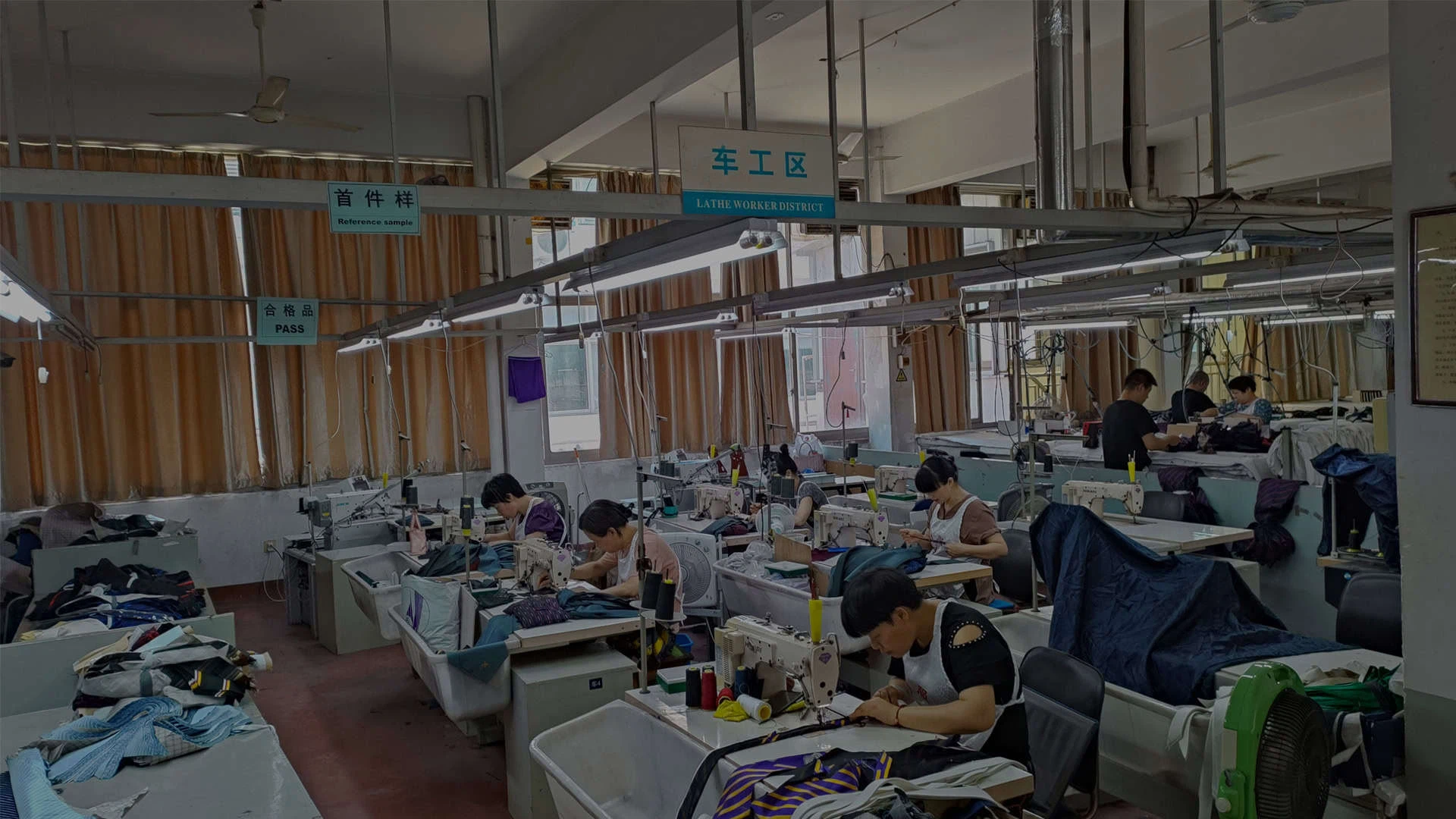
 YILI's vertical integration unlocks bespoke sarong manufacturing capabilities tailored for fashion brands and wholesalers. Our end-to-end control-from silk reeling and fabric weaving to digital printing and finishing-ensures consistency, quality, and agility across orders. Key customization avenues include:
Design Techniques:
- Digital Printing: High-resolution prints capturing intricate patterns (e.g., traditional batik motifs or modern geometric designs) with color accuracy.
- Embroidery & Appliqué: Add elegance with custom embroidered borders or patchwork for premium collections.
- Hand-Dyeing Replicas: Machine-assisted techniques mimicking artisanal ikat or tie-dye effects for scalable production.
Fabric Blends:
- Blend natural silk with Tencel™ for enhanced drape and sustainability.
- Offer reversible sarongs (e.g., silk on one side, cotton on the other) for multifunctionality.
Logistics Flexibility:
- MOQs as low as 500 units per design.
- Custom packaging (e.g., branded drawstring bags for retail-ready products).
- Compliance tagging (OEKO-TEX, recycled material labels) for eco-conscious markets.
FAQ Section
Q: Can men wear sarongs?
A: Absolutely. In Southeast Asia, sarongs are traditional daily wear for men. Modern styles suit resort wear or loungewear globally.
Q: What fabric is best for humid climates?
A: Rayon and lightweight cotton offer optimal breathability. For luxury markets, silk is naturally temperature-regulating.
Q: Do you offer sustainable material options?
A: Yes. OEKO-TEX certified silk, organic cotton, and Tencel™ blends are available with traceable sourcing.
Q: What is your typical production timeline?
A: 15–25 days after design finalization, depending on order complexity and volume.
Conclusion: The Sarong as a Business Opportunity

The sarong's fusion of cultural heritage and functional versatility makes it a strategic addition to any fashion brand's lineup. By partnering with a vertically integrated manufacturer like YILI, businesses gain access to customizable, ethically produced sarongs that resonate with modern consumers-all while benefiting from low MOQs and rapid turnaround times. Embrace this timeless garment's commercial potential: contact YILI to develop your signature sarong collection today.
Send Inquiry