

Necktie Fabric Guide - A Manufacturer's Perspective
Aug 17, 2022
Leave a message
●Silk
Silk is the most common fabric for ties, a luxuriously soft yet durable natural fabric. Its raw material, mulberry silk, is a crude animal protein fiber.

Material Properties
The inherent elasticity of silk fibers enables silk ties to withstand greater tension, making them wrinkle-resistant and maintaining their condition better.
The silk fabric is fixed at a high temperature, stable wrinkle resistance, printing dyeing saturation good, color bright, drape good, warmth good. The fabric has soft to the touch and is the best material for making a tie.
Material price
Mulberry silk is very precious. The life of a silkworm is only 28 days, and the silk spun by each silkworm is only a few hundred meters long. A tie of mulberry silk needs a lot of silkworm life to complete. "Silk" is not easy to come by, so it is destined to be luxurious and mysterious. In the Tang Dynasty, the camel bells on the Silk Road transmitted the Chinese clothing culture based on "silk" to Marco Polo's hometown - Italy, and the palace of King Louis XIV of France. Pieces of gorgeous silk let the world know about the ancient and mysterious country of the East.
Washing and Maintenance Methods
Taking care of a silk tie is not easy, and if you take good care of it, you can use it for a long time.
If your budget is enough, the best way to care for it is to put it in a professional laundromat.
If you are more comfortable taking care of silk ties yourself, it is recommended to hand wash:
1. Put a small amount of acidic detergent or acidic shampoo in cold water, stir the detergent in the water by hand, and then put in the tie;
2. You should not soak the tie in water for more than three minutes; gently scrub your hands. Rinse, and use two or three drops of vinegar for a second wash to keep the tie shiny.
3. After the tie is cleaned, do not wring it dry and lay it flat to dry in the shade; if it is not ironed, it can be smoothed by hand when it is 70% dry.
Note: Do not use washing powder, laundry soap, soap, and other alkaline detergents; do not mix with other clothes.
Wearing Occasion
The good performance of the silk fabric and its high price makes it possible to make a tie that people can wear all year round. Its high price firmly occupies the high-end market of ties, and people usually choose to wear silk ties on more formal occasions.
●Polyester
Polyester is a synthetic chemical fiber. Polyester fabrics have higher water, wind, and environmental resistance than plant-derived fabrics. Still, they are less resistant to fire and melt when ignited. Sometimes we apply used polyester-cotton blends. Materials are to produce neckties because cotton-polyester combinations combine their advantages with high strength, wrinkle resistance, tear resistance, and shrinkage reduction.

Material Properties
Strength: The strength of the polyester fiber is nearly one time higher than cotton and three times higher than wool, so the polyester fabric is strong and durable.
Good heat resistance: Polyester can normally work between -70~170 degrees. Polyester is the best heat resistance and thermal stability among synthetic fibers.
Good Elasticity: The elasticity of polyester is close to wool; this makes the polyester fabric has wrinkle resistance, ideal for producing neckties。
Abrasion resistance: The abrasion resistance of polyester ranks second among synthetic fibers. That's why polyester ties stay shiny for a long time.
Water absorption: polyester has low water absorption, moisture regain, and sound insulation performance, but due to low water absorption, Friction tends to generate static electricity when it is dry in winter.
Poor Dyeability: Polyester lacks hydrophilic groups and dye acceptor moieties, so dyeing is complicated. Now polyester is generally dyed by high-temperature and high-pressure dyeing methods.
Material Price
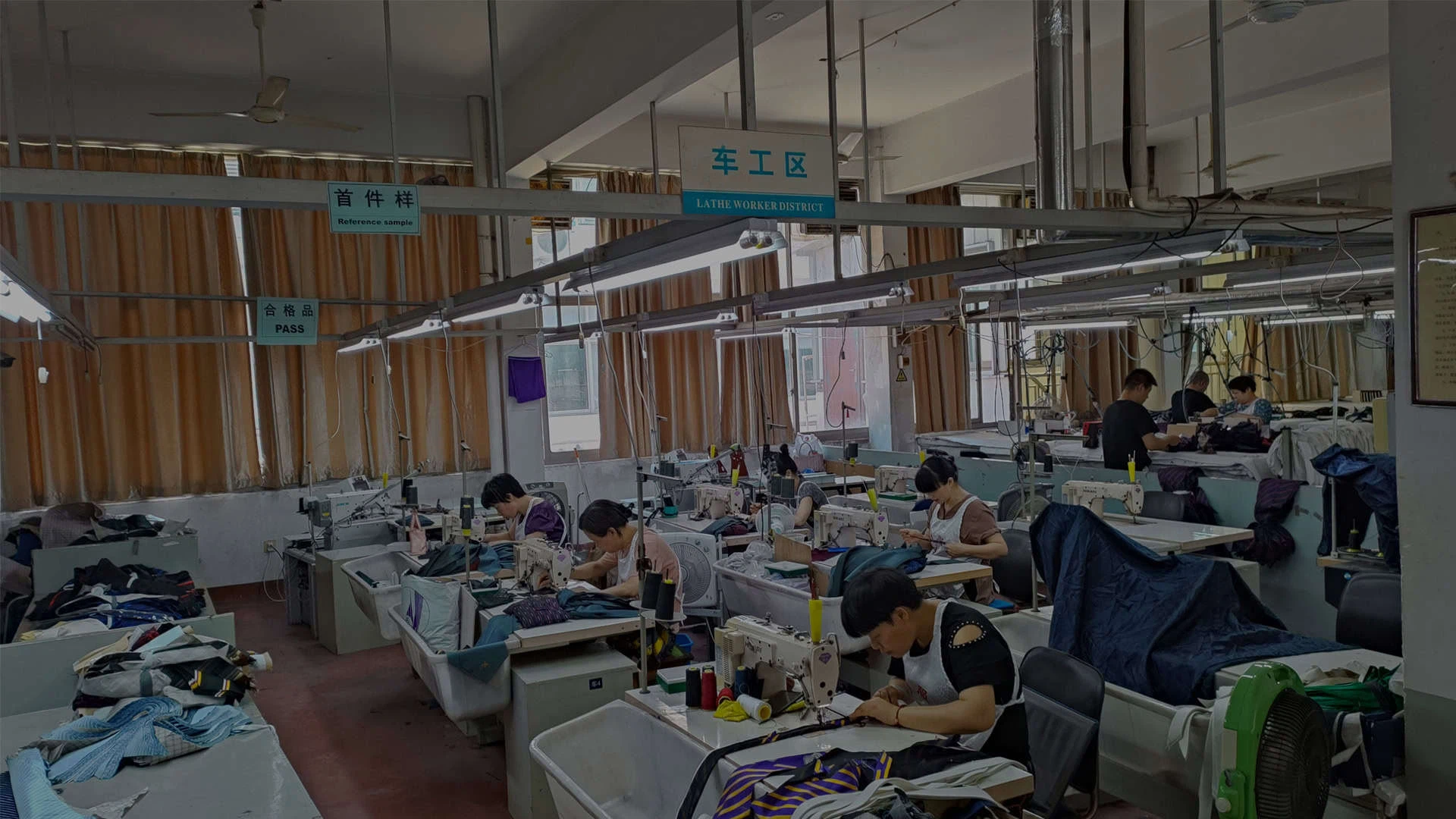
Polyester ties are much cheaper than silk ties. Our factory is good at producing polyester ties with high-quality fabrics and craftsmanship; it looks like silk ties. You can't tell them apart with the naked eye.
Washing and Maintenance Methods
Polyester ties are the easiest to maintain because polyester fibers are poorly dyed, and stains are not easy to affect polyester ties. So they do not require much care and attention. You don't have to worry when your pretty ties get dirty as they repel liquids easily. You can also easily wash your ties by hand if ties get dirty. It's simple and takes little effort. Using the washing machine for ties is not recommended, reducing the wearing effect.
●Cotton
Cotton is a natural plant fiber and a natural, environmentally friendly material. Cotton cultivation brings a lot of economic income to farmers every year.

Material Properties
Characteristics of cotton fabrics:
1. Good hygroscopicity, soft to the touch, hygienic, and comfortable to wear
2. Alkali resistant but not acid resistant. Cotton fabric is extremely unstable to inorganic acids, and even very dilute sulfuric acid will damage it; the organic acid has a weak effect and has almost no destructive effect. Cotton cloth is more resistant to alkali. Generally, dilute alkali does not have an effect on cotton cloth at room temperature. After the action of strong alkali, the strength of cotton cloth will decrease.
3. Light resistance and heat resistance are average. Cotton is slowly oxidized in sunlight and the atmosphere, reducing its strength. The long-term high temperature will damage the cotton, but it can withstand short-term high-temperature treatment at 125~150 °C.
4. Good dyeing performance, soft luster, and natural beauty.
5. Microorganisms have a destructive effect on cotton fabrics. They are shown in intolerance to mold.
6. Poor wrinkle resistance and has a large shrinkage rate of about 4~10%.
Material Price
The price of cotton ties is slightly higher than that of polyester ties. A printing process usually produces cotton so that the price will be higher than that of polyester ties.
Washing and Maintenance Methods
1. Good alkali resistance and heat resistance; it is best to use neutral detergent, not machine washable and not suitable for chlorine bleaching.
2. 2. It should be dried in the shade and avoid sun exposure to prevent dark clothes' fading. When drying in the sun, turn the inside out.
3. Wash it separately from other clothes; the soaking time should not be too long to avoid fading.
4. Must use medium temperature (150 ℃ or below) or steam ironing, do not wring.
5. Pay attention to ventilation during storage and avoid moisture to avoid mildew.
Application
Cotton ties keep you warm, and you can wear them in cold winters. Cotton dyes well, and you can design fancy cotton print novelty ties. Pure cotton ties are easy to shrink after washing, making neckties with woven polyester-cotton mixed fabrics more suitable. Mixed fabrics can not only maintain their warmth and dyeing properties but also reduce their shrinkage after washing.
●Wool
Wool is a natural animal fiber. As early as 6,000 years ago, humans began to use wool to make clothes. At present, the mixed fabrics of wool and wool are also widely used in the tie industry.

Material Properties
Wool is a mobile fiber with good breathability, natural elasticity, and stretches to match your body's movements.
Wool is made up of proteins, so it works perfectly with your body's protective mechanisms. It also has another natural property, which is intrinsic UV resistance.
Wool has natural resilience; each fiber is elastic, like a spring, and will stretch. It is precisely based on its complex internal structure that wool has strong anti-wrinkle properties.
You can enjoy wool's natural softness, versatility, breathability, and elasticity.
Material Price
The price wool ties is the most expensive among all types of ties, but wool ties have good texture and good warmth.
Washing and maintenance methods
1. High-grade all wool or wool and other fibers blended ties; dry cleaning is recommended.
2. If washing with water, you should soak it in cold water for a short time, and the washing temperature should not exceed 40 degrees.
3. Do not use chlorine-containing bleaching liquid; oxygen-containing color bleaching can be used.
4. Wet shaping or semi-dry shaping to remove wrinkles.
5. When removing water, do not twist, squeeze to remove water, spread flat and dry in the shade, and don't expose to the sun.
6. To use softener to maintain soft feel and antistatic.
7. You should protect wool ties against insects during storage.
Application
The good warmth of the wool tie is very suitable for designing a tie that is worn in winter. It has a good texture and is suitable for the production of tie fabrics with thicker yarns.
Send Inquiry