

Custom Woven LOGO Tie: Secret Weapon for Brand Identity
Jun 10, 2025
Leave a message
Why Generic Logos Damage Brand Value
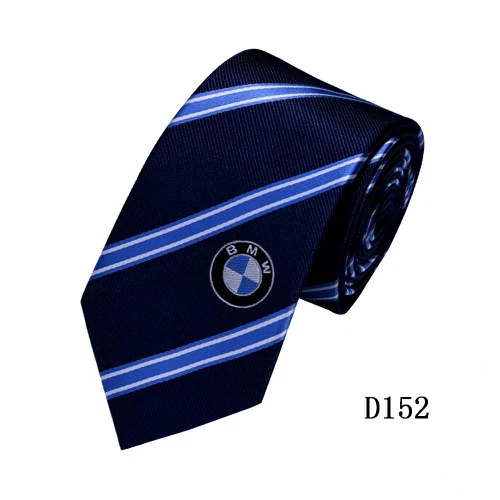
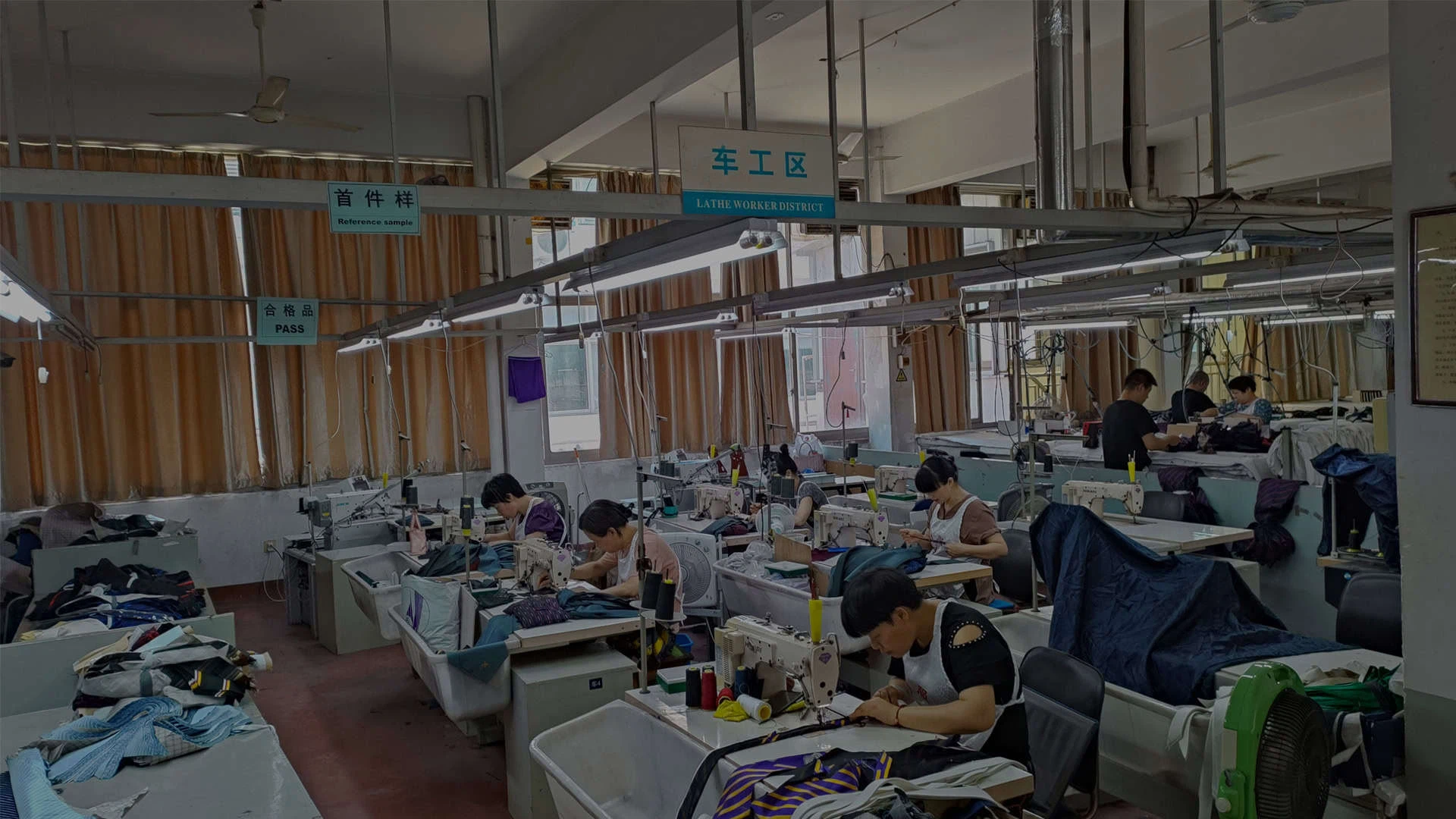
When luxury hotels order uniform accessories, a 1 cm logo misalignment on neckties can undermine brand prestige. At YILI Tie & Garment (OEKO-TEX® certified yarn), our vertically integrated production solves this through self-developed jacquard looms capable of 0.5cm precision – a standard that helped reduce return rates by 41% for 5-star resorts in Dubai.
The Precision Advantage
Imagine investing in branded ties only to see logos peel after 20 washes – a reality for brands relying on PVC prints or embroidery. Our woven jacquard technology eliminates this risk through a patented triple-interlock weave proven to withstand 500+ wash cycles in independent tests. This durability directly translates to cost savings: McDonald's UAE reduced accessory replacement costs by 27% after switching to our solution. The secret? OEKO-TEX® certified silk yarn ensures colorfastness even in extreme climates.
Case Study: Elevating Restaurant Uniforms
 For emerging brands seeking rapid market entry, our 72-hour sampling system redefines speed-to-market. While competitors require 7+ days for initial prototypes, YILI's vertical integration allows:
3D digital simulation within 24 hours
Physical sample production in 48 hours
▲ Video Proof: Real-time Sampling Process
This agility enabled a Japanese hanfu accessory startup to launch a limited edition collection within 3 weeks – capitalizing on seasonal demand without overstock risk.
Evidence Spotlight (ISO9001 Application):
| Parameter | Industry Standard | YILI Capability |
|---|---|---|
| Color Accuracy | Delta E ≤ 3.0 | Delta E ≤ 1.5 |
| Thread Alignment | ±0.3mm | ±0.1mm |
|
(Source: ISO9001:2015 certified QC) Action Tip for New Brands
97% color accuracy on symbolic phoenix designs |
||
 The rise of hanfu fashion reveals a hidden opportunity: cultural branding through woven details. When "Han Dynasty Revival" brand needed signature accessories for their Phoenix-patterned robes, our jacquard expertise translated intricate motifs into neckwear identity markers. By leveraging existing Mamian skirt fabric patterns, we achieved:
Send Inquiry