

Unleashing The Power Of Your Neck: A Comprehensive Guide To Starting Your Own Tie Business Introduction
May 31, 2023
Leave a message
Introduction
The fashion industry has always been a lucrative business. People are willing to spend a considerable amount of money to look good and fashionable, and one essential accessory that has stood the test of time is the tie.
The tie business industry is a thriving market with many opportunities for growth and success. Starting a tie business requires passion, creativity, and determination.
The process can be challenging, but with the right knowledge, resources, and strategies in place, you can build a successful brand that stands out from the competition. In this article, we will provide you with an overview of the steps involved in starting a tie business.
Explanation of the Tie Business Industry
The tie industry has been around for centuries and continues to be an essential accessory in men's fashion. Ties come in different styles, colors, textures and are worn for various occasions such as formal events or everyday work attire.
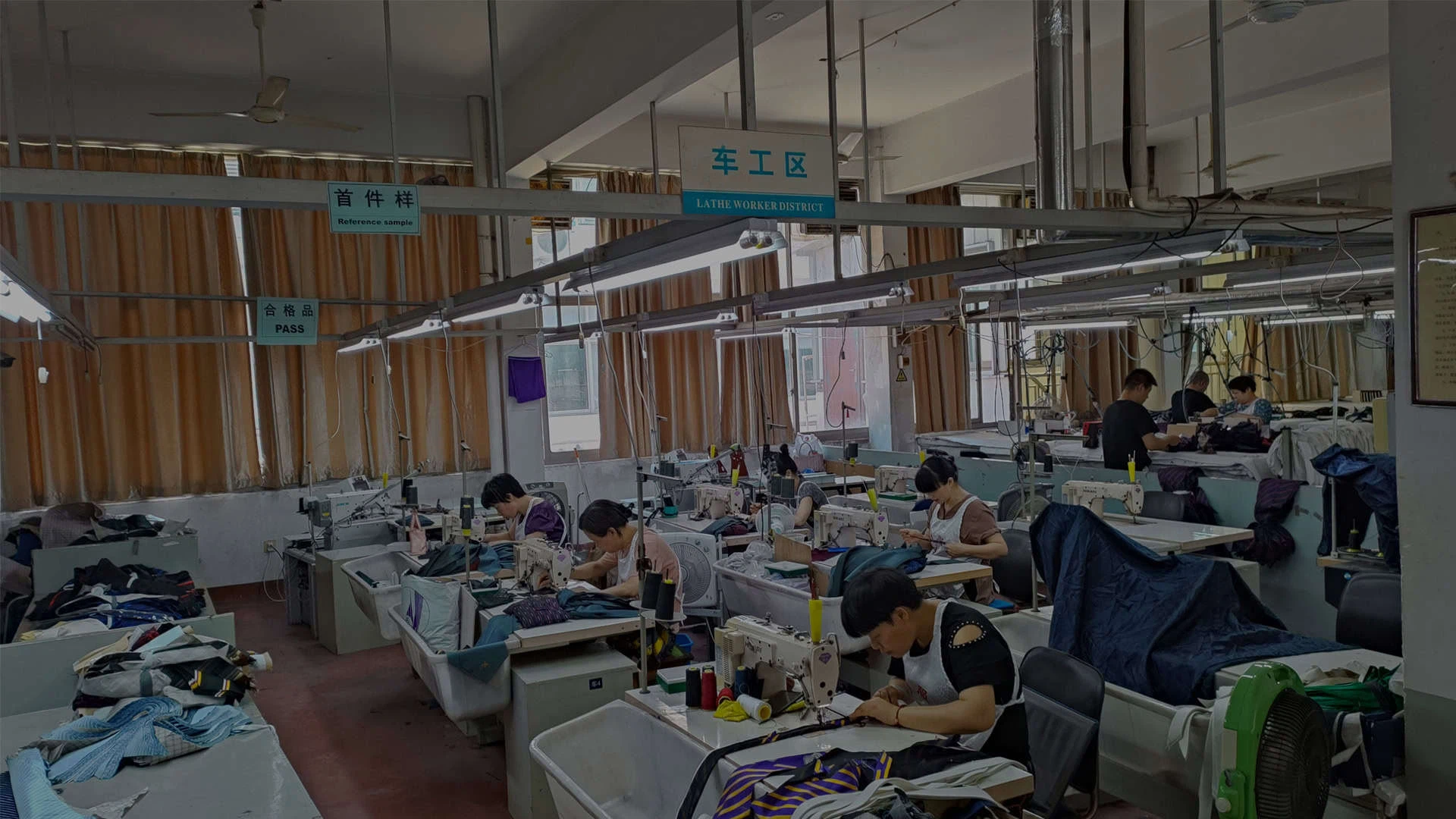
Over time, ties have evolved to meet current fashion trends while still maintaining their traditional styles. Tie-making companies have also changed their production methods by incorporating technology into their designs while still using traditional techniques such as hand-sewing.
The tie market is vast and includes various players such as luxury brands producing high-end designer ties to more affordable brands catering to everyday wear. There are also niche players who create unique designs tailored towards specific markets such as sports clubs or universities.
Brief Overview of Steps to Start A Tie Business
Starting any business requires meticulous planning and execution; thus starting a tie business is no different. Here is an overview of some key steps involved:
1) Conduct market research: Identify your target audience and analyze your competitors' strengths and weaknesses.
2) Create a unique brand identity: Develop a brand name/logo that reflects your company values
3) Design ties that appeal to your target audience: This involves selecting materials/color schemes/ patterns
4) Source high-quality materials: Identify reliable suppliers for your materials
5) Choose a suitable manufacturing method: Decide whether to manufacture in-house, outsourced or off-shore
6) Establish an online presence: Develop an e-commerce platform and social media marketing strategy
7) Establish relationships with retailers: Sell your products in-store by building relationships with retailers
8) Create a budget and pricing strategy: Determine your startup costs, operating costs and pricing strategy to ensure profitability.
Market Research
Identifying Target Market and Customer Needs
Before starting a tie business, it is crucial to identify the target market and their specific needs. This can be accomplished by conducting market research through surveys, focus groups, and analyzing customer feedback from competitors in the industry.
The target market for a tie business can vary depending on the brand image and design style of the ties being sold. For example, a tie business that focuses on high-end luxury ties would target affluent businessmen looking for high-quality accessories to complement their professional attire.
On the other hand, a casual tie brand could appeal to younger men who want to add some stylish flair to their everyday outfits. Once a target market has been established, it is essential to understand their specific needs when it comes to ties.
This includes factors such as color preferences, patterns, material choices, and price points. By understanding what customers are looking for in a tie brand, entrepreneurs can develop products that meet those needs while also differentiating themselves from competitors.
Analyzing Competitors in the Industry
An important step in starting any business is analyzing competitors in the industry. This involves researching other tie brands that share similar target markets and evaluating their strengths and weaknesses. By understanding what works well for competitors and where they fall short, entrepreneurs can position themselves as a better alternative or carve out a unique niche within the industry.
When analyzing competitors in the tie industry specifically, it's important to evaluate factors such as pricing strategies, marketing tactics (e.g., social media presence), product quality and variety as well as distribution channels (e.g., online vs brick-and-mortar stores). By paying close attention to these aspects of competitor businesses - both locally- or internationally-based - aspiring entrepreneurs are able to make informed decisions about how best they too may cater effectively toward customers with different criteria demands across all relevant dimensions of competition.
Branding and Design
Creating a Unique Brand Identity
One of the most important aspects of creating a successful tie business is developing a unique brand identity that stands out in the industry. The brand identity should represent the values and vision of the company, as well as appeal to the target market.
When developing a brand identity, it's essential to consider all of the elements that will contribute to it, such as color palette, typography, logo design, and tone of voice. The first step is to identify what makes your company unique and different from other tie businesses in the market.
Brainstorm ideas with your team about what you want your brand to represent. Consider factors such as quality, style, innovation, or sustainability.
Once you have identified these factors, create a brand mission statement that encapsulates everything you want your brand to stand for. This statement will serve as a guiding principle throughout all branding efforts.
Developing Tie Designs That Appeal to Target Market
To create tie designs that appeal to your target market requires research and understanding their preferences and needs. Start by researching fashion trends within your target demographic; this can include browsing social media platforms or attending trade shows specific to their interests. Once you have an understanding of fashion trends within your target market, begin designing ties that incorporate these trends while staying true to your brand's identity.
Experiment with different colors, patterns, fabrics textures until you find what works best for both your audience and business goals. It's also important not only focus on visual appeal but also considering functionality for everyday wear or special occasions like weddings or corporate events.
Develop designs for various occasions so customers can find what they need whether they're looking for something casual or formal. By creating unique designs based on research data from different sources like online surveys or customer feedback forms can establish connections with customers by making them feel seen and understood leading to loyalty and repeat business.
Sourcing Materials and Manufacturing
Finding reliable suppliers for high-quality materials
Finding reliable and high-quality suppliers is an essential step in creating a successful tie business. The quality of the materials used in the manufacturing process can make or break your brand's reputation. Therefore, it is crucial to research and identify reputable suppliers who can provide you with top-notch materials at affordable prices.
One way to find reliable suppliers is through trade shows and industry events. Attending these events will give you an opportunity to meet with potential suppliers, compare their products, and negotiate prices.
You can also search for suppliers online or ask for recommendations from other business owners in the industry. To ensure that you are getting high-quality materials, request samples from potential suppliers before making any final decisions.
This will allow you to test them out first hand and assess their suitability for your brand's needs. Additionally, consider factors such as shipping times, payment terms, return policies when choosing a supplier.
Choosing a manufacturing method that aligns with brand values
Once you have sourced high-quality materials from reputable suppliers, the next step is to choose a manufacturing method that aligns with your brand values. There are several options available, including handmade production or automated production. If handmade production aligns best with your brand values, consider partnering with local artisans who specialize in creating ties using traditional methods.
This approach not only supports local businesses but also offers unique designs that stand out in the market. On the other hand, if automated production aligns better with your brand values due to scalability concerns or cost-effectiveness reasons, research factories that use ethical practices such as fair wages and environmentally friendly processes.
Whichever method you choose should reflect your brand's values while also ensuring high-quality products at reasonable prices. Always keep in mind that finding a balance between ethics and profitability is crucial for long-term success in any business.
Sales and Marketing
Once you have identified your target market and developed your unique brand identity, it's time to focus on sales and marketing strategies. Two of the most important channels for reaching potential customers are online sales through e-commerce platforms and social media marketing, as well as building relationships with retailers to sell products in-store.
Establishing an Online Presence
E-commerce platforms like Amazon, Etsy, or Shopify can provide a valuable opportunity for tie businesses to reach a wider audience. These platforms offer an easy-to-use interface that allows businesses to set up their own online stores with minimal technical knowledge.
With over two billion active monthly users on Facebook alone, social media is another powerful tool that can help reach more targeted potential customers. A key element of social media marketing is content creation.
Tie businesses should create high-quality visual content such as images and videos that showcase their products in the best possible light. Partnerships with influencers or bloggers that align with the brand's values can also be a great way to increase exposure.
Building Relationships with Retailers
In addition to online sales, tie businesses need to establish relationships with brick-and-mortar retailers who cater to their target market. One approach is supplying ties at wholesale prices so retailers can stock them in-store.
To do this successfully, it's important for owners of tie businesses to research potential retailers carefully and approach those whose target audience aligns with theirs. Ultimately, building strong relationships - both online and offline - will help create a loyal customer base who return time after time for high-quality ties that meet their needs perfectly.
Financial Planning
One of the most important aspects of starting a tie business is creating a thorough and realistic budget for startup costs. This budget should include all expenses associated with the manufacturing, marketing, and distribution of your products.
It's important to account for material costs, manufacturing expenses (including labor), shipping fees, and any other necessary expenses. Additionally, you'll want to factor in marketing costs such as website development, advertising, and social media campaigns.
To create an accurate budget, it's important to conduct extensive research into the cost of materials and labor as well as any other expenses you may incur. You may also want to consider seeking assistance from a financial advisor or accountant who can help you identify potential financial obstacles and provide guidance on how to overcome them.
Creating a Budget for Startup Costs
The first step in creating a budget for your tie business is identifying all of the necessary expenses associated with starting your business. This includes everything from material costs and manufacturing expenses to marketing and distribution fees. Once you have identified these expenses, it's important to allocate funds accordingly.
For example, if you plan on producing high-quality silk ties that require expensive materials and skilled laborers, you'll need to allocate more funds towards these areas of your budget than towards marketing or website development. Conversely, if you plan on selling primarily through e-commerce sites or social media platforms rather than through retailers or distributors that require fees or commissions.
Developing Pricing Strategies
Once you have created a detailed budget for your tie business startup costs it's essential that you develop pricing strategies that ensure profitability while remaining competitive in the market.The goal here is not only to set prices that allow your business to profit over time but also establish prices that will attract customers. By researching competitors' pricing strategies within the tie industry you may have the ability to tailor your pricing to allow you to showcase your brand and quality.
It's important, however, that you don't lower prices too much and compromise on the quality of materials or manufacturing processes. By focusing on creating a superior product, backed by excellent customer service and marketing strategies that set you apart from your competitors, you'll be able to establish yourself as a viable player in the tie industry.
Ultimately, careful financial planning is an essential component of building any successful business- including a tie business. By taking the time to create a detailed budget and pricing strategy you'll be well positioned for long-term growth and profitability
Scaling the Business
Expanding product offerings beyond ties (e.g., pocket squares, bow ties)
Once your tie business has established a solid foundation and gained traction in the market, it's time to consider expanding your product offerings beyond just ties. Pocket squares and bow ties are popular accessories that can complement your existing tie collection.
By offering these products, you have the opportunity to increase your revenue streams and cater to a wider audience. When expanding into other accessory categories, it's important to maintain consistency in brand identity and design aesthetic.
Consider incorporating similar patterns or color schemes across all product lines to maintain a cohesive look. It's also crucial to conduct proper market research before introducing new products to ensure there is demand for them among your target audience.
Exploring international markets for growth opportunities
As your business expands and matures, you may want to explore new markets beyond your home country. Expanding into international markets can offer significant growth opportunities for your tie business - reaching new customers, increasing sales revenue, and building brand recognition on a global scale. Before entering an international market, it's important to conduct thorough research on local customs and regulations regarding imports/exports, as well as cultural nuances that may affect customer preferences.
You should also consider partnering with distributors or retailers who have established networks in the region. You'll need to adapt marketing strategies specifically for each new market you enter; this includes translating promotional materials as well as tailoring advertising campaigns that resonate with local consumers.
Additionally, investing in multilingual customer support will be crucial for ensuring success in foreign markets. With careful planning and execution of these strategies, expanding into international markets can help take your tie business success to new heights.
Conclusion
Starting a tie business requires careful planning, attention to detail, and a willingness to learn from mistakes. By following the key steps outlined in this article, you can increase your chances of success and build a thriving brand in the competitive world of fashion.
It's important to remember that starting a tie business is not easy, but it is possible. As with any entrepreneurial endeavor, setbacks and challenges are inevitable.
However, by staying focused on your goals and remaining committed to your vision for the brand, you can overcome these obstacles and achieve success. Creating a successful tie business requires extensive research, careful planning of branding and design elements, sourcing of high-quality materials and manufacturing process as well as an effective sales and marketing strategy.
With hard work and perseverance, you can create a unique brand identity that resonates with customers and stands out in the marketplace. Good luck on your journey towards building your own successful tie business!
Send Inquiry