

Untangling The Global Journey Of Neck Ties: Italy To China
Jun 06, 2023
Leave a message
From Italy to China: Untangling the Global Journey of Neck Ties
The Untold Story of Neckties
Have you ever wondered about the origin of neckties and why they hold such a special place in the world of fashion? Neckties have been an integral part of men's dress attire for hundreds of years, with roots that stretch back to ancient Rome. Originally worn as a means to keep shirts from flapping around in the wind (yikes!), neckties have since evolved into a symbol of professionalism, power, and fashion.

A Brief History
The necktie as we know it today was first popularized during the 17th century when Croatian soldiers wore cravats while serving in France. The word "cravat" is derived from "Croat". From there, it began to spread across Europe and eventually made its way into high society where men began wearing elaborate silk ties adorned with lace and embroidery.
During the Industrial Revolution, neckties became more accessible to the general public due to advances in manufacturing technology. The standardization of tie length and width also occurred during this time, making it easier for men to choose ties that were appropriate for their body types and personal style preferences.
The Importance Of Neckties In Fashion
Neckties are now an indispensable accessory in men's fashion. They add a touch of elegance to any outfit and can instantly transform a casual look into something more sophisticated.
Ties come in an endless variety of colors, patterns, textures, and materials which allows men to showcase their personal style while still adhering to dress codes set by their workplace or social events. For many professions such as lawyers or businessmen, wearing a tie is seen as a sign of respectability and authority.
It can also serve as a conversation starter or ice-breaker at networking events or social gatherings. Despite the rise of more casual dress codes in recent years, neckties remain a fundamental part of men's fashion and will continue to do so for many years to come.
Where are Neck Ties Made?

Neckties have been a staple in men's fashion for centuries, and they continue to be an important accessory in today's world. So, where are neck ties made?
The answer is not so simple. The global necktie industry is vast and includes many countries that produce high-quality neckties.
Overview of the Global Necktie Industry
The global necktie industry is worth billions of dollars, with some estimates suggesting that over 100 million ties are sold each year worldwide. The industry is highly competitive, with many manufacturers vying for a share of the market. The production of neckties involves multiple steps, including designing the tie, sourcing materials such as silk or polyester, cutting and sewing the fabric, adding any necessary embellishments or patterns, and packaging the final product.
Major Countries that Produce Neckties
Italy is one of the major players in the high-end necktie market. Italian-made ties are known for their quality and craftsmanship. Some of the most well-known Italian brands include Ermenegildo Zegna and Salvatore Ferragamo.
China has emerged as a major producer of neckties in recent years due to its low labor costs and large workforce. Chinese-made ties can be found at all price points from low to high-end.
The UK has a long history in traditional silk tie manufacturing. British-made ties are often associated with classic styles.
In the USA, there are niche tie makers who cater to specific markets such as sports fans or members of fraternities/sororities. There are also custom tie designers who use unique fabrics or create personalized designs for clients.
Factors that Influence Production Location
There are several factors that influence where manufacturers choose to produce their neckties. One key factor is cost – lower labor costs can make it cheaper to produce in certain countries. Quality is also an important consideration – some countries have established reputations for producing high-quality neckties.
Additionally, expertise plays a role – certain countries may have unique techniques or materials that are best suited to producing specific types of neckties. Ultimately, the decision on where to produce neckties depends on a variety of factors and varies from manufacturer to manufacturer.

Italian Neck Ties
Italian neckties are known worldwide for their exceptional quality, exquisite design, and attention to detail. Italian tailors have long been renowned for their craftsmanship, and the necktie is no exception. The Italian artisans that make these ties use only the finest materials and put a great deal of care into each step of the production process.
Why Italy is known for high-quality neckties
There are several reasons why Italy has become synonymous with high-quality neckties. Firstly, Italy has a long-standing tradition of producing luxury goods.
Many of the world's most well-known fashion brands originate from Italy, including Prada, Gucci, and Versace. Secondly, Italian craftsmen have a reputation for perfectionism and attention to detail that translates into the production of top-quality products.
Famous Italian brands and designers
Some of the most famous Italian brands that produce neckties include Ermenegildo Zegna, Dolce & Gabbana, Salvatore Ferragamo, and Armani. These brands are renowned not just in Italy but across the world for their expertly crafted ties that exude sophistication.
Traditional Italian tie-making techniques
Traditional Italian tie-making techniques involve cutting fabric on a bias angle to create stretchiness in the tie so it can bounce back into place after being tied. The lining material is first hand-stitched to ensure symmetry before being sewn together by machine or by hand using silk thread.
Each tie goes through a series of quality checks before it is finally deemed ready for sale. The result is an impeccably crafted piece of art that every man should own at least one of in his collection!

Chinese Neck Ties
How China became a major player in the necktie industry
China's emergence as a key player in the global necktie industry can be traced back to the 1980s when it began to open up its economy to foreign investment and trade. With low labor costs, vast manufacturing capabilities, and abundant raw materials, China quickly became a popular destination for companies looking to manufacture their products at a lower cost. Today, China is the world's largest exporter of neckties, producing millions of ties each year.
Differences between Chinese and Italian tie-making techniques
While Italian-made ties are renowned for their craftsmanship and attention to detail, Chinese-made ties often have a different aesthetic. Chinese manufacturers tend to produce ties that are more uniform in design and less expensive than Italian-made ties.
However, this doesn't mean that Chinese-made ties are inferior or lower quality. Many Chinese manufacturers have invested in modern production techniques that allow them to produce high-quality ties at a lower cost.
Common misconceptions about Chinese-made ties
One common misconception about Chinese-made ties is that they are all low-quality knock-offs of Italian designs. While this may be true for some cheaply made imitations, many Chinese manufacturers create their own unique designs and styles that cater to different markets around the world.
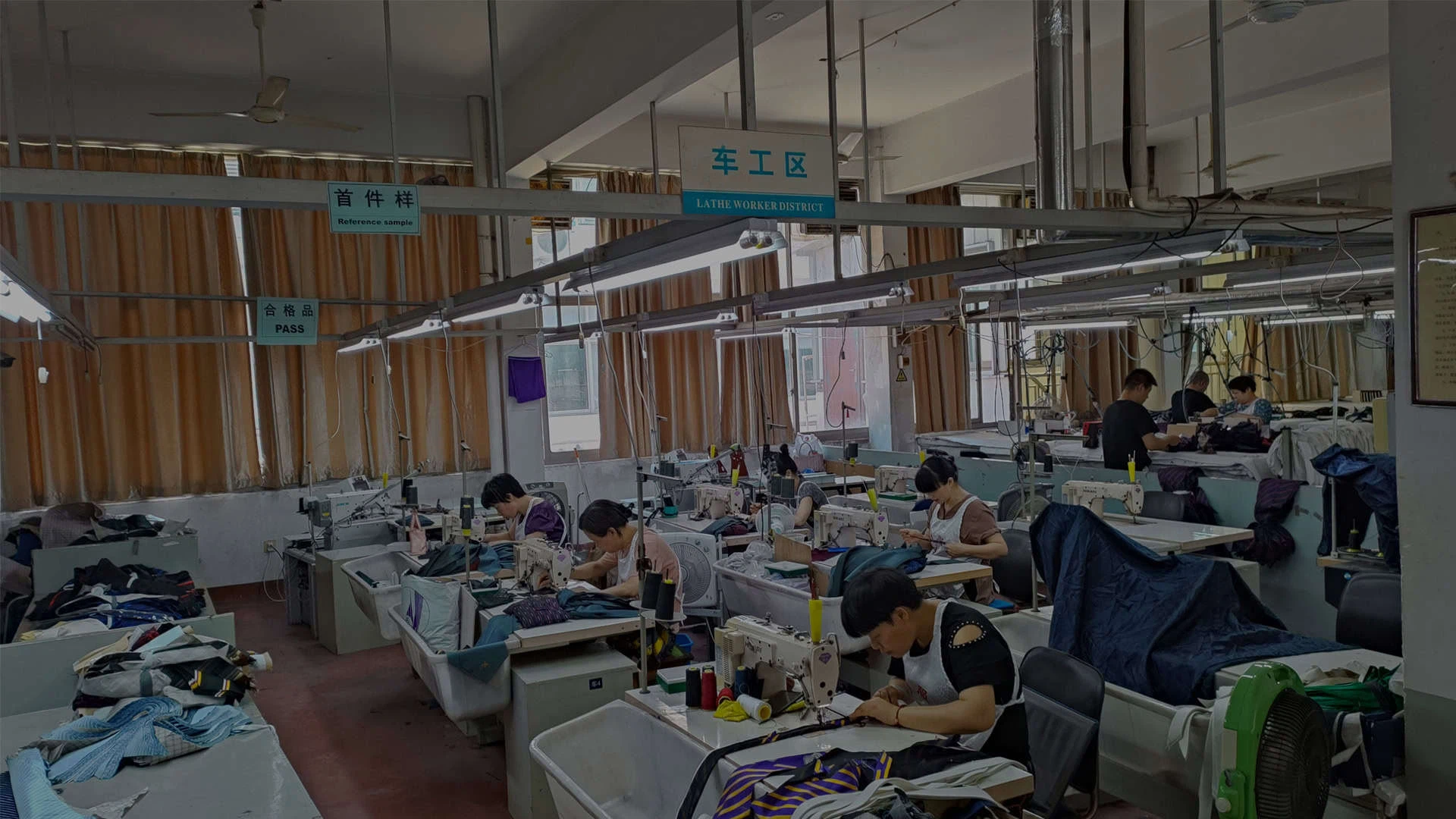
Another misconception is that all Chinese-made ties are produced using cheap labor or under poor working conditions. However, many factories in China employ skilled workers who take pride in their craft and work under safe conditions.
China's rise as a major player in the necktie industry has brought benefits for both consumers (lower prices) and manufacturers (greater efficiency). While there may be differences between how Italian and Chinese makers produce their products, both have something unique to offer customers looking for high-quality fashion accessories.
Other Countries and Regions
UK: Traditional Silk Tie Manufacturing
When it comes to neckties, the United Kingdom is known for traditional silk tie manufacturing. Many British brands are highly respected for their attention to detail and quality craftsmanship. British ties are often made from high-quality silk and feature intricate patterns and designs.
The process of making a silk tie involves several steps, including weaving the silk fabric, cutting it into pieces, and stitching it together. British-made neckties may be more expensive than other options, but many believe that the higher cost is worth it for the quality.
USA: Niche Tie Makers and Custom Designs
While the United States may not be known for mass-producing neckties on a large scale like Italy or China, there are still many niche tie makers in America who produce unique and high-quality ties. These companies often specialize in handcrafted or custom designs that cater to specific tastes or styles.
For example, some American tie makers focus on creating ties with a vintage look or incorporating unusual materials such as leather or denim into their designs. While these ties may be pricier than mass-produced options, they offer a sense of individuality and uniqueness that cannot be found elsewhere.
Fun Facts About Neck Ties
The World's Most Expensive Tie
Did you know that the world's most expensive tie was made by designer Satya Paul and was valued at a whopping $220,000? This luxurious tie is crafted out of pure silk and features 261 diamond studs! It was created as part of a limited-edition collection for the Indian market and is certainly not for everyday wear.

The Guinness World Record for the Longest Tie Ever Made
A neck tie measuring 808 m (2,650 ft) was made by members of the Academia Cravatica organisation. It took five days to complete and was tied around the arena in Pula, Croatia on 18 October 2003. Widest part - 25m,Narrowest part - 8m.
The Origin of the Phrase "Tying the Knot"
Have you ever wondered where the phrase "tying the knot" came from? It turns out that in ancient Rome, brides would wear a girdle or belt made from loosely tied knots. After the wedding ceremony, her husband would tighten these knots to symbolize their binding commitment to each other.
This tradition eventually evolved into tying ribbons or cords around hands during wedding ceremonies and has now become a common phrase used to refer to getting married. As you can see, there's more to neck ties than just fashion.
These fun facts show us how ties have played an important role in culture and history. So next time you put on your favorite necktie, take a moment to appreciate its rich background and all it represents!
Conclusion
After exploring the global necktie industry, it's clear that neckties are made all over the world. Italy is known for their high-quality silk ties and traditional tie-making techniques, while China has become a major player in the industry due to their production capabilities and lower costs.
The UK has a long history of silk tie manufacturing, while the USA boasts niche tie makers and custom designs. India is also emerging as a new market for silk ties.
It's fascinating to see how different factors such as costs, quality, expertise, and tradition influence where neckties are produced. No matter where they come from, neckties add an element of style and sophistication to any outfit.
Next time you put on a necktie, take a moment to appreciate the craftsmanship that went into making it and consider where it may have been produced. Whether you prefer Italian silk or American-made designs, there's no denying that neck ties are an essential part of men's fashion around the world.
Understanding where neckties are made gives us insight into how different countries contribute to global fashion trends. It's inspiring to see how different cultures bring their own unique touch to this classic accessory.
Send Inquiry