

Unveiling The Global Titans Of Tie Production
Jul 05, 2023
Leave a message
Unveiling the Global Titans of Tie Production
Introduction
When it comes to men's fashion, few accessories possess the timeless elegance and sophistication of the tie. A quintessential component of formal attire, ties have transcended their utilitarian purpose to become a symbol of style and status.
These long strips of fabric, typically worn around the neck and knotted in various ways, serve as both a fashion statement and a reflection of one's personal taste. In an ever-evolving world of fashion trends, ties have managed to maintain their prominence across cultures and generations.
 Definition of Ties and Their Significance in Fashion
A tie is commonly defined as a long piece of cloth or material that is worn around the neck beneath a shirt collar and tied in a knot at the front. While its primary function is to enhance formal attire by adding an element of refinement, ties also offer opportunities for self-expression through patterns, colors, and textures. They serve as an essential accessory for men in business settings, social events, special occasions such as weddings or parties, or even as part of everyday attire for those who appreciate sartorial splendor.
Ties play a significant role in fashion by adding visual interest to outfits while conveying elegance and professionalism. They can convey authority or creativity depending on design choices.
A bold patterned tie can make a statement about one's personality or confidence while a solid-colored tie exudes classic sophistication. The selection of materials also contributes to the overall aesthetic appeal; silk ties are renowned for their luxurious look and feel.

Overview of the Tie Industry and Its Global Reach
The tie industry represents a thriving sector within the larger world of fashion manufacturing. With its global reach extending across continents, this industry generates billions in revenue annually. Various countries have emerged as key players in tie production on both large-scale mass production levels as well as niche artisanal craftsmanship.
Understanding the dynamics of this industry allows us to explore the question of who holds the title as the largest producer of ties. From Italy's prestigious luxury brands to China's mass production factories and Britain's heritage tie manufacturers, the tie industry showcases a rich tapestry of traditions, techniques, and innovations.
Each country has its own unique contribution to the global market, catering to diverse consumer preferences and fashion sensibilities. By delving into the historical evolution and current landscape of tie production, we can gain insight into which country claims supremacy in this sartorial domain.
 Historical Perspective on Tie Production
The Evolution of Ties from Ancient Times to Modern Fashion
Ties, as a fashion accessory, have a long and fascinating history that dates back to ancient civilizations. The earliest precursor to the modern tie can be found in the form of Chinese neckwear worn by Emperor Qin Shi Huang in 210 BC. These "neck scarves" were made of various fabrics and were believed to symbolize social status and power.
As fashion evolved through different eras, ties went through significant transformations. In the 17th century, Croatian mercenaries fighting alongside King Louis XIII introduced the cravat, a type of neck cloth tied in elaborate knots.
This trend quickly spread throughout Europe and became synonymous with elegance and nobility. In the late 19th century, ties as we know them today began to take shape.
With the industrial revolution bringing advancements in textile manufacturing, neckties became more accessible and diverse in design. The four-in-hand tie gained popularity due to its simplicity and ease of tying.
 Early Tie Production Centers and Their Influence on the Industry
During different periods in history, certain regions emerged as notable centers for tie production, leaving an indelible impact on the industry. One such region is France, which played a pivotal role in refining tie craftsmanship during the 18th century. In France's Lyon region, silk weaving was highly developed at that time.
Skilled artisans produced luxurious silk fabrics used for ties worn by aristocrats across Europe. These exquisite French ties became a symbol of elegance and sophistication.
Another significant center for tie production was England during the Victorian era. British manufacturers embraced industrialization and introduced mass production techniques that allowed ties to be more affordable for a broader market segment.
London's tie manufacturers, located primarily in the East End and Soho districts, created ties that catered to different social classes and fashion trends. Their influence helped shape tie designs for decades to come.
These early tie production centers laid the foundation for the global tie industry we see today. The craftsmanship, techniques, and designs developed in these regions continue to influence contemporary tie production worldwide.

Global Tie Production Landscape
Italy: The Epitome of Luxury Tie Manufacturing
Italy has long held a prestigious position in the world of tie production, renowned for its unrivaled craftsmanship and exquisite designs. The cities of Como and Naples have been at the heart of Italy's tie-making legacy for centuries. In Como, located in the Lombardy region, the artistry of silk weaving and printing has been passed down through generations, resulting in unparalleled expertise.
The ties produced here are known for their luxurious feel, vibrant colors, and intricate patterns that reflect Italian elegance. Naples, on the other hand, encompasses traditional Neapolitan craftsmanship techniques that emphasize meticulous hand-stitching and attention to detail.
This combination of fine materials and old-world techniques elevates Italian ties to a level of unmatched quality. Italian brands dominate the high-end tie market worldwide due to their commitment to excellence.
Brands such as Ermenegildo Zegna, Salvatore Ferragamo, and Kiton are synonymous with luxury craftsmanship. These Italian houses meticulously select only the finest silks from various regions across the globe to create their exceptional collections.
Their ties bear intricate patterns like paisley or foulard prints that exude sophistication and refinement. By upholding ancient traditions while embracing contemporary trends, Italy solidifies its position as a leading producer of luxury ties.
 China: The Powerhouse of Mass-Produced Ties
In stark contrast to Italy's artisanal approach lies China's dominance in mass-produced tie manufacturing. China has experienced exponential growth in this industry over recent decades due to its vast population and expanding global trade networks.
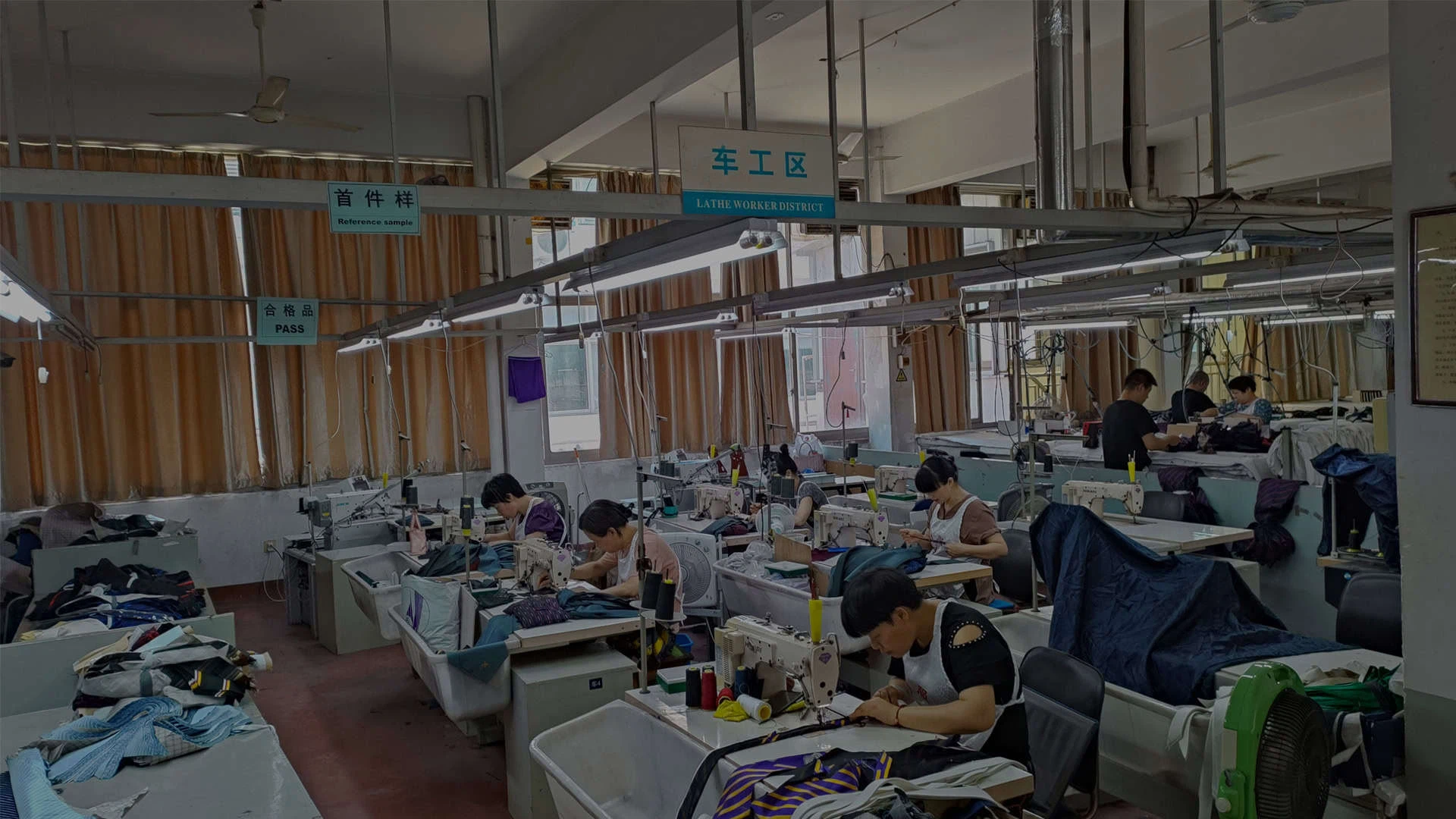
Manufacturing hubs like Shengzhou and Guangzhou have emerged as centers for large-scale tie production. Shengzhou stands out as one of China's main tie manufacturing cities known for its ability to produce high-quality ties at an impressive volume tailored to both domestic and international markets.
The city boasts a highly efficient supply chain, with tie-making factories integrating advanced technology and automation to streamline production processes. This enables Shengzhou to meet the ever-increasing demand for affordable ties without compromising on quality.
Furthermore, Guangzhou plays a significant role in China's tie production scene, producing an extensive range of ties that cater to various price points and styles. The city's manufacturers are known for their ability to quickly adapt to changing fashion trends, offering a wide selection of designs that appeal to diverse consumer preferences.
United Kingdom: Heritage Brands Preserving Traditional Tie-Making Techniques
The United Kingdom has its own distinct place in the world of tie production, characterized by heritage brands that preserve traditional craftsmanship techniques. Savile Row, located in London's Mayfair district, has long been regarded as a mecca for bespoke tailoring, influencing British neckwear craftsmanship since the 19th century. British tie makers pride themselves on maintaining age-old techniques, emphasizing hand-cutting and hand-stitching processes that ensure the highest quality standards.
These skilled artisans employ fabrics such as silk or wool sourced from reputable suppliers while upholding an uncompromising commitment to attention to detail. Iconic British brands like Turnbull & Asser and Drake's exemplify this dedication by creating exquisite ties that effortlessly blend classic elegance with contemporary flair.
Their collections showcase refined patterns like regimental stripes or houndstooth checks along with bold color combinations that add character and sophistication to any ensemble. With an emphasis on timeless style and impeccable craftsmanship, British brands continue to captivate tie enthusiasts around the globe.
The global tie production landscape encompasses various countries each contributing their unique expertise and styles. Italy shines as a symbol of luxury tie manufacturing through centuries-old traditions in Como and Naples paired with renowned Italian brands dominating the high-end market.
China emerges as a powerhouse in mass-produced ties due to its rapid growth in manufacturing hubs like Shengzhou and Guangzhou, catering to both domestic and international markets. The United Kingdom stands out for its heritage brands, rooted in tradition, and celebrated for preserving traditional tie-making techniques that marry timeless elegance with contemporary sensibilities.
The Rise of Niche Tie Producers
Emerging players challenging the status quo
In recent years, a remarkable trend has emerged in the tie production industry, with niche players challenging the dominance of traditional powerhouses. These budding entrepreneurs are driven by a passion for innovation and a desire to infuse their creations with unique elements that set them apart from the crowd. By introducing fresh designs, materials, and manufacturing techniques, these up-and-coming tie producers are reshaping the landscape and captivating fashion enthusiasts around the world.
Japan: Merging traditional Japanese aesthetics with contemporary designs
One country that has been at the forefront of this movement is Japan. Renowned for its rich cultural heritage and exquisite craftsmanship, Japan has successfully merged traditional Japanese aesthetics with contemporary tie designs.
The fusion of old and new is most evident in their use of the Shibori technique, an ancient form of fabric dyeing that creates mesmerizing patterns through intricate folding, twisting, and binding before dyeing. Subsection: a) Shibori technique creating unique ties
Shibori ties beautifully showcase Japan's dedication to meticulous craftsmanship. Through this technique, artisans create one-of-a-kind patterns on silk or other fine fabrics.
Each fold and manipulation is carefully executed to produce striking motifs that evoke a sense of harmony and tranquility. Shibori ties have gained popularity globally as fashion-conscious individuals seek to express themselves through these handmade works of art that reflect both tradition and modernity.
Conclusion
The tie industry is not just about established powerhouses; it is also about embracing change and celebrating innovation. As niche tie producers challenge the status quo with their fresh perspectives and daring creativity, we witness an exciting wave sweeping across this fashion domain.
From Japan's delicate Shibori ties to other emerging players worldwide pushing boundaries in design and manufacturing techniques, there is an undeniable optimism in the air. This vibrant evolution promises a future where ties continue to captivate us with their elegance and individuality, reaffirming that fashion is an ever-evolving art form that inspires and delights.
Send Inquiry