

Factory Audit & Social Compliance: How to Verify Your Chinese Necktie Supplier's Labor Standards
Jul 01, 2026
Leave a message
When sourcing neckwear from China, price and sample quality are only the starting point. Brand buyers, retailers, and importers face increasing pressure-from consumers, NGOs, and regulators-to ensure their supply chains meet recognized labor and environmental standards. A factory audit is the most direct tool available to verify that a Chinese necktie supplier operates ethically and legally. Without one, buyers risk reputational damage, customs delays, and shipment rejections at destination ports.

This guide explains how factory audits work, what social compliance standards cover, what documents to request before an audit, and how to evaluate findings when you receive an audit report.
Why Factory Audits Matter for Neckwear Buyers
The global textile and apparel industry has faced sustained scrutiny over labor practices in manufacturing countries. Brands sourcing from China have faced public allegations of excessive overtime, underage workers, and unsafe building conditions-issues that audits are specifically designed to uncover before they become scandals.
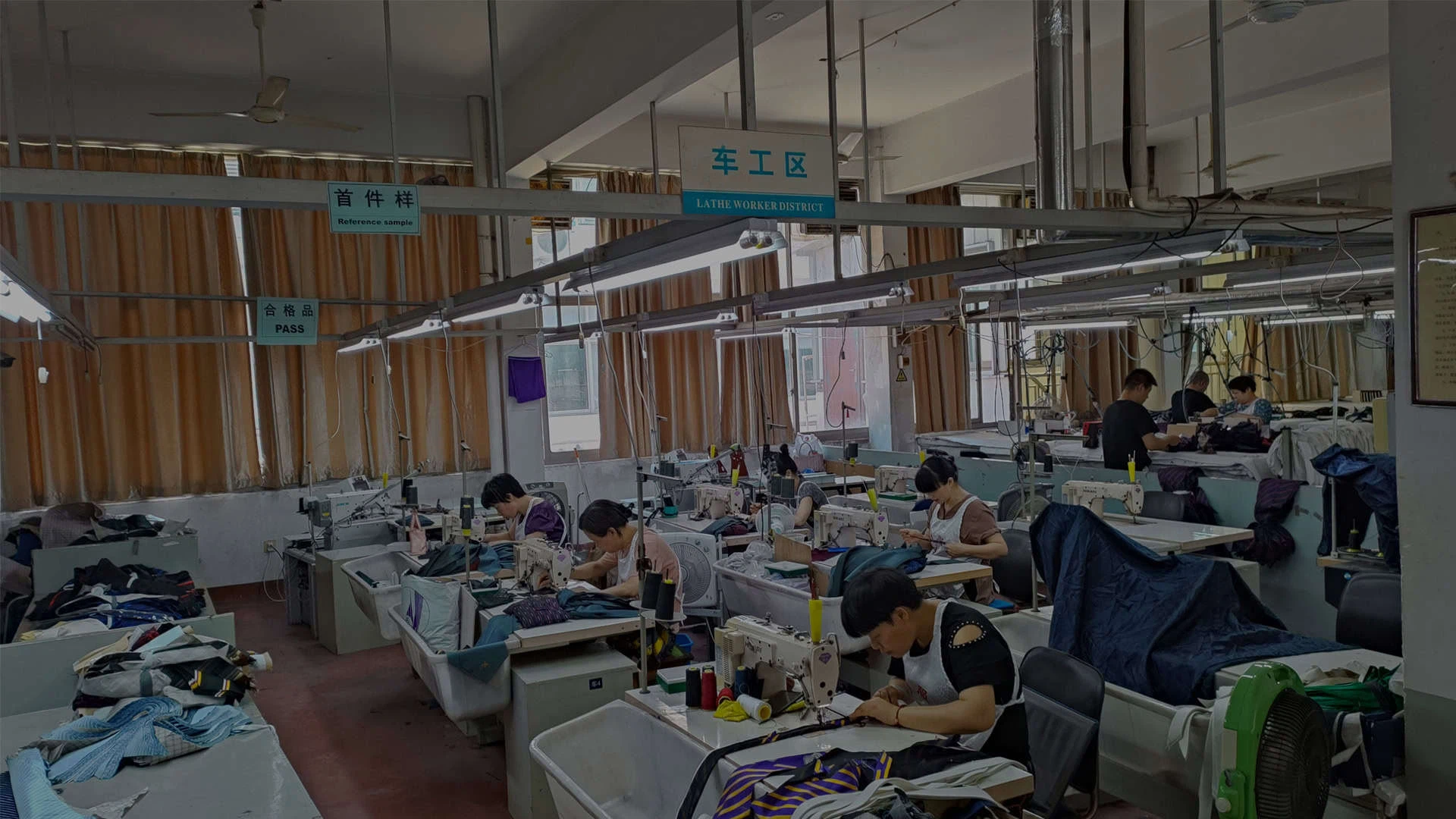
For neckwear specifically, the risk is concentrated in subcontracting. A factory may appear compliant on paper while operating unauthorized satellite workshops where labor standards are not enforced. A thorough audit checks not only the main production site but also any facilities used for finishing, printing, or embroidery-processes common in the jacquard fabric and silk necktie supply chain.
Beyond risk management, audits serve a commercial function. Buyers who audit their suppliers before placing orders establish a documented baseline of working conditions. When disputes arise later, that baseline provides evidence of what was-and was not-disclosed at the time of contracting.
Understanding Social Compliance Standards
BSCI (Business Social Compliance Initiative)
BSCI is one of the most widely accepted social compliance systems in the European retail and import sector. Administered by the Foreign Trade Association (FTA) in Brussels, it provides a standardized code of conduct covering:
- Rights to freedom of association and collective bargaining
- Fair remuneration and maximum working hours
- Occupational health and safety
- No child labor, no forced labor
- Ethical business behavior

A BSCI audit is conducted by independent third-party auditing firms such as Bureau Veritas, SGS, or Intertek. Factories receive a rating from A (excellent) to E (unacceptable), and results are valid for two years. Many European and Australian retailers require BSCI as a baseline condition of doing business.
SA8000 (Social Accountability International)
SA8000 is a more rigorous, certification-based standard issued by Social Accountability International. Unlike BSCI, which is audit-based, SA8000 involves formal certification by accredited bodies. The standard covers:
- Child labor and young workers
- Forced and compulsory labor
- Health and safety
- Freedom of association
- Discrimination and disciplinary practices
- Working hours and compensation
SA8000 certification typically requires six to twelve months of preparation and is best suited for buyers with long-term supply relationships who need documented proof of compliance for regulatory or brand disclosure purposes.
ISO 9001 and Its Role in Quality Management
ISO 9001 is a quality management standard, not a social compliance standard. However, for neckwear buyers, ISO 9001 certification indicates that a factory has documented processes, internal audits, and management review procedures-all of which reduce the likelihood of hidden compliance failures. YILI Necktie & Garment Co., Ltd. holds ISO 9001 certification, reflecting structured quality and operational management systems.

Before the Audit: Documents to Request
A credible factory should be able to produce the following documents within 48 hours of a request. Reluctance or excessive delay is itself a red flag.
Business Registration and Legal Compliance
- Business license (营业执照) - valid, matching the factory name and address
- Tax registration certificate
- Social insurance registration for employees
- Fire safety inspection certificate
- Environmental impact assessment (if applicable)
Employment Records
- Employee roster with age verification
- Labor contracts for all workers (translated if necessary)
- Payroll records for the past 12 months
- Attendance and timesheet records for the past 3-6 months
- Social security payment receipts
Safety and Facilities
- Fire drill records (at least twice per year)
- Workplace safety training records
- Equipment inspection and maintenance logs
- Emergency exit maps and first aid kit locations
- Canteen health permits (if applicable)
Certifications
- Current BSCI audit report (within 2 years) or SA8000 certificate
- ISO 9001 certificate
- Subcontractor list - factories must disclose all subcontracting relationships
The On-Site Audit: What Actually Happens
A typical social compliance audit for a neckwear factory lasts four to eight hours, depending on facility size. The auditor follows a structured protocol:
Opening Meeting
The auditor meets factory management to explain the audit scope, introduce the code of conduct being audited against, and confirm the list of production areas and worker dormitories to be visited. Factory representatives sign acknowledgment of the audit terms.
Facility Tour
The auditor walks the entire production floor, checking:
- Emergency exits are unobstructed and clearly marked
- Fire extinguishers are accessible and recently inspected
- Chemical storage (dyes, solvents) is properly labeled and ventilated
- Workers have access to clean drinking water and sanitation facilities
- Dormitory conditions meet minimum standards for space and safety

Worker Interviews
Auditors conduct confidential interviews with a random sample of workers, typically in small groups of three to five. Questions cover working hours, overtime pay, wage calculation methods, leave entitlements, and whether any worker has been asked to surrender identity documents. Workers are interviewed in their native language where possible to ensure honest responses.

Document Review
The auditor cross-checks documents submitted before the audit against original records. Common discrepancies include:
- Timesheets showing fewer hours than workers report being on the floor
- Payroll records that do not match bank transfer statements
- Social security payments that cover only a portion of the workforce
- Labor contracts that contain clauses violating local law
Closing Meeting
The auditor presents preliminary findings to factory management. Factories are given an opportunity to respond to any issues raised before the final report is issued. Audit firms typically deliver the final report within five to ten business days.
Common Non-Compliance Findings in Textile Factories
Understanding typical findings helps buyers prioritize their audit checklist and interpret results correctly.
Working Hours Violations
Excessive overtime is the most common finding in Chinese manufacturing facilities. The BSCI code limits regular working hours to 48 hours per week plus a maximum of 12 hours overtime, with overtime being voluntary. Auditors frequently find timesheets recording legal hours while worker interviews reveal actual hours exceeding the recorded amount.
Incomplete Social Security Coverage
Chinese law requires employers to provide social insurance (pension, medical, unemployment) for all employees. Many factories cover only full-time permanent workers while classifying some employees as temporary or part-time to reduce costs. Auditors check social security payment receipts against the employee roster to identify gaps.
Missing Age Verification
Factories employing workers aged 16-18 (legal working age in China for non-hazardous work) must maintain separate records for those workers, limit their working hours, and prohibit night shifts. Auditors check personnel records for underage workers and verify that juvenile worker regulations are being followed.
Fire Safety Deficiencies
Inadequate fire safety provisions-blocked exits, expired extinguishers, insufficient emergency lighting-are regularly found in older factory buildings. These findings are typically classified as critical because they pose immediate risk to worker safety.

Subcontracting Without Disclosure
A factory may engage unauthorized subcontractors for weaving, dyeing, or finishing processes, effectively moving production outside the scope of the buyer's visibility. A thorough audit requests a full list of subcontracting relationships and verifies that all subcontracted facilities have been audited or are included in the scope of the current audit.
How to Verify Your Necktie Supplier's Audit History
Buyers should request the following verification steps before placing orders:
- Request the original audit report - not a summary. Read the management response section, which shows whether the factory acknowledged and disputed findings.
- Verify certification numbers - cross-check BSCI participant numbers and SA8000 certificate numbers against the respective organization databases.
- Ask for trend data - factories that have undergone three consecutive annual audits with improving scores demonstrate genuine commitment to compliance, not one-time remediation.
- Conduct a announced follow-up audit - if a factory received a BSCI rating below C, require a follow-up audit within six months before placing bulk orders.
- Visit without notice - if audit reports look suspiciously clean, a spontaneous factory visit often reveals conditions the formal audit missed.

What YILI's Certifications Mean for Buyers
Shengzhou YILI Necktie & Garment Co., Ltd. maintains both ISO 9001 (quality management) and BSCI social compliance certifications. For buyers evaluating YILI as a neckwear supplier, these certifications provide documented evidence that:
- Quality management processes are systematically reviewed and improved
- Labor practices meet the standards accepted by European retailers
- Social insurance, working hours, and workplace safety are subject to third-party review
- Subcontracting relationships are disclosed and included in the audit scope
YILI's participation in the BSCI system means buyers sourcing from this factory can reference a current, third-party verified compliance status rather than relying solely on their own audits-saving time and providing defensible documentation for their own brand compliance reporting.
Key Takeaways
- Factory audits are non-negotiable for professional neckwear sourcing - price and sample quality do not guarantee ethical production.
- BSCI is the most practical standard for textile buyers starting their compliance program; SA8000 suits buyers with long-term, high-volume relationships.
- Request documents before the audit to identify red flags before investing time in a formal site visit.
- Worker interviews are the most reliable audit tool - always verify that interview protocols are confidential and conducted in workers' native language.
- Subcontracting disclosure is a critical audit point for neckwear factories, where finishing and fabric processing are frequently outsourced.
- Verify audit certificates directly against issuing organization databases; do not rely on copies provided by the factory alone.
- Factories with current BSCI certification and ISO 9001 have already completed third-party verification of both quality systems and labor compliance.
References
- Business Social Compliance Initiative (BSCI). Code of Conduct and Audit Framework. https://www.amfori.org/bsci
- Social Accountability International. SA8000 Standard and Certification Process. https://www.sa-intl.org/sa8000/
- International Organization for Standardization. ISO 9001:2015 Quality Management Systems. https://www.iso.org/iso-9001-quality-management.html
- International Labour Organization. Conventions and Recommendations on Child Labour and Forced Labour. https://www.ilo.org/global/standards/subjects-covered-by-categories/lang--en/index.htm
- China Customs. Import-Export Trade Compliance Requirements for Textile Products. http://www.customs.gov.cn
Send Inquiry