

Supply Chain Transparency: Why B2B Neckwear Buyers Need Full Visibility from Yarn to Finished Tie
Jul 08, 2026
Leave a message
In an era where corporate social responsibility and supply chain integrity dominate buyer evaluations, B2B neckwear procurement has evolved beyond price and quality alone. Today's discerning purchasers-from fashion retailers to corporate uniform managers-demand complete visibility into how their neckties and scarves are manufactured, from the raw yarn stage through final packaging. This transparency isn't merely a nicety; it has become a critical competitive advantage and risk mitigation strategy.

Why Supply Chain Transparency Matters in Neckwear Manufacturing
The neckwear industry presents unique transparency challenges. Unlike simple garment categories, a single necktie undergoes multiple production stages across different facilities: yarn sourcing, fabric weaving, dyeing, cutting, sewing, interlining application, quality inspection, and packaging. Each stage represents a potential point of opacity where quality compromises, ethical violations, or production delays can occur undetected.
Buyers who lack visibility into these stages face significant risks. A consignment of silk neckties might arrive with color inconsistencies that trace back to unregistered dye houses. Cotton ties marketed as premium might actually contain mixed fibers from unspecified sources. Most critically, buyers can unknowingly support unethical labor practices if they cannot trace production to specific facilities.
For B2B purchasers, supply chain transparency translates directly into business outcomes: reduced recall costs, stronger brand reputation with end consumers, compliance with evolving import regulations, and the ability to make genuine sustainability claims backed by verifiable data.
The Five Critical Stages of Neckwear Production Requiring Visibility
1. Raw Material Sourcing: Yarn and Fiber Origins
The journey of a necktie begins long before weaving. For silk neckwear, understanding mulberry leaf sourcing regions and silk cocoon processing facilities matters. For cotton or polyester alternatives, fiber origin and processing methods affect both quality and sustainability credentials.
Transparent manufacturers should provide documentation of fiber sources, including:
- Mulberry silk: Region of cocoon production and reeling facility
- Cotton: Staple length, origin country, and ginning method
- Polyester: Yarn denier, manufacturer, and ISO certifications

2. Fabric Weaving: From Greige Goods to Finished Cloth
Weaving transforms raw fibers into neckwear fabric-typically jacquard weaves for premium ties or satin/twill for budget lines. This stage determines pattern clarity, fabric weight, and drape characteristics that directly affect the final product's appearance and durability.
Modern jacquard looms operate at varying quality levels, from compact artisan machines to large-scale industrial equipment. The same yarn processed on different looms yields dramatically different results. B2B buyers should understand not just which weaving facility produces their fabric, but the specific equipment used and the quality control protocols in place.
3. Dyeing and Finishing: Color Consistency and Safety Compliance
Dyeing presents one of the highest-risk stages for quality inconsistency and chemical safety issues. Color matching across multiple production batches requires precise recipe management and laboratory testing. Substandard dye houses may produce fabric that fades prematurely, bleeds color, or contains harmful chemical residues.
International safety standards-particularly REACH in Europe and CPSIA in the United States-mandate testing for azo dyes, formaldehyde, and heavy metal content. Transparent manufacturers maintain detailed dye recipes, conduct batch testing, and provide certificates of compliance upon request.

4. Cutting, Sewing, and Assembly: Where Craft Meets Scale
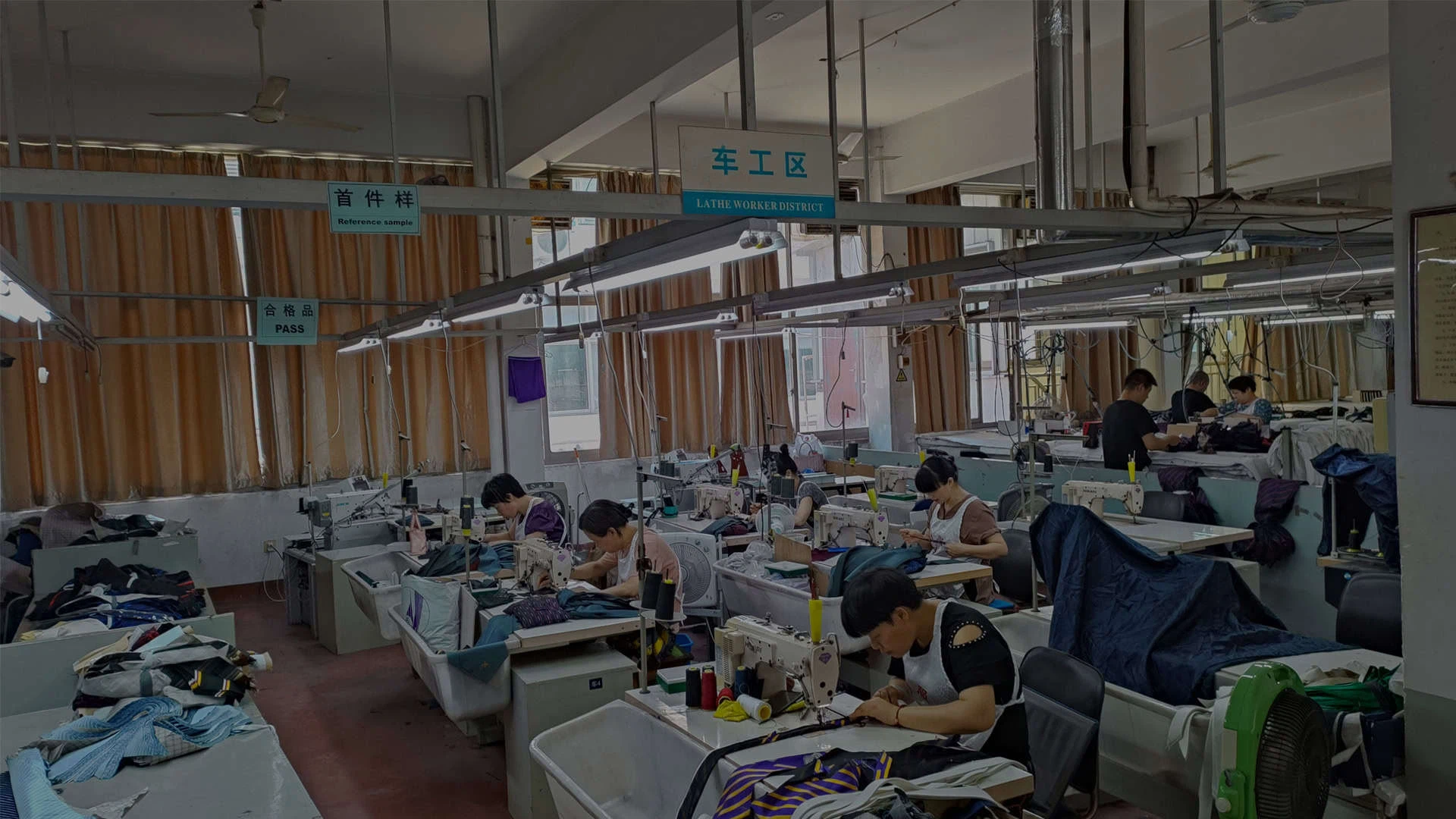
The actual construction of neckwear combines mechanized and manual processes. Fabric rolls are cut into pattern pieces, interlinings are fused or sewn in, edges are joined using various techniques, and the finished tie is shaped through pressing or steaming. Each factory implements these processes differently.
For example, hand-rolled edges versus machine-sewn edges represent a significant quality and cost distinction that affects the tie's drape and longevity. Fused interlinings versus taped interlinings create different structures. Buyers benefit from understanding not just the production location, but the specific techniques employed.
5. Quality Control and Compliance Documentation
Final inspection determines whether finished neckwear meets specifications. Transparent manufacturers document inspection results, categorize defects using standardized severity scales, and maintain complete traceability records linking each finished product to its production batch.
For B2B transactions, compliance documentation typically includes:
- Pre-shipment inspection reports with AQL (Acceptable Quality Level) calculations
- Laboratory test results for color fastness, dimensional stability, and chemical safety
- Social compliance audit reports (BSCI, SEDEX, SA8000)
- Care label content verification

Building a Transparent Neckwear Supply Chain: A Buyer's Framework
Request Supplier Audits Before Production
Before placing orders, conduct or commission factory audits that verify production capabilities, labor conditions, and quality management systems. Third-party audit firms offer standardized assessments against criteria including ISO 9001 quality management requirements, social compliance benchmarks, and environmental regulation adherence.
For neckwear specifically, audit focus areas should include dye house facilities (chemical handling and waste management), weaving mill conditions (equipment maintenance and quality control equipment), and sewing floor operations (labor ratios, production capacity verification, and skill levels).
Mandate Batch-Level Traceability Systems
Reputable neckwear manufacturers implement production tracking systems that assign lot numbers to each production batch. These lot numbers connect to records of yarn cones used, fabric rolls processed, dye recipes applied, and production workers involved. When issues arise-whether during incoming inspection or after garments reach retail-batch traceability enables root cause analysis.
Ask suppliers for their traceability documentation format. Ideally, each carton of finished neckwear should include a production summary linking the consignment to specific batches at each manufacturing stage.
Establish Clear Documentation Requirements in Contracts
Specification agreements should explicitly define required documentation deliverables. Standard expectations for B2B neckwear procurement include:
- Yarn test certificates from fiber manufacturers
- Fabric specification sheets with weight, width, and composition
- Color approval samples (lab dips) with recorded recipe information
- Pre-production approval samples with measurement verification
- Inline inspection reports during cutting and assembly
- Final inspection report with defect classification and statistical summary
- Packing list with carton dimensions, gross weight, and dozen quantities per color/size

The Business Case for Transparency Investment
Some procurement managers question whether supplier transparency efforts justify their costs. The financial calculus strongly favors transparency investment. Consider the alternative: a container of 2,000 silk neckties arrives with 15% exhibiting color inconsistency detectable only under retail lighting. Return processing, replacement shipping, and potential retailer penalties easily exceed $15,000 in losses-far exceeding the cost of proper pre-shipment inspection and documentation.
Beyond risk mitigation, transparency enables value creation. Buyers with complete supply chain visibility can make legitimate sustainability claims, justify premium pricing through documented ethical production, and respond quickly to production issues before defective goods reach customers.
Conclusion: From Supplier to Strategic Partner
Modern B2B neckwear procurement demands a fundamental shift in buyer-supplier relationships-from transactional purchasing to strategic partnership built on mutual transparency. Manufacturers who invest in traceability systems and documentation practices deserve partnership consideration over competitors offering lower prices but opaque operations.
For buyers evaluating neckwear suppliers, transparency should function as a primary screening criterion alongside quality, price, and production capacity. Suppliers who welcome scrutiny, provide detailed documentation proactively, and enable production visibility demonstrate the operational maturity and ethical foundations that characterize reliable long-term partners.
The neckwear industry continues evolving toward greater supply chain accountability. Buyers who establish transparency requirements now position themselves ahead of regulatory trends, ahead of consumer expectations, and ahead of competitors still operating with limited visibility into how their products are actually made.
About YILI Necktie & Garment
YILI Necktie & Garment Co., Ltd. has manufactured premium neckwear since 1994 from our facility in Shengzhou, China's premier necktie manufacturing hub. We maintain complete production traceability from yarn sourcing through final packaging, with ISO9001 and BSCI certifications supporting our commitment to transparent, ethical manufacturing.
For inquiries about our supply chain transparency documentation and B2B partnership opportunities, contact us at Yili05@chinayilitie.com or +8613567590288.
Send Inquiry