

Handmade vs. Machine-Made Neckties: What's the Difference and Why It Matters
May 28, 2026
Leave a message
When a client unboxes a necktie for the first time, they rarely ask whether it was assembled by hand or by machine. But that distinction determines far more than price-it shapes how the tie drapes, how long it holds its knot, and whether it survives years of daily use or frays after months. For buyers sourcing neckties for retail, corporate uniforms, or premium gifting programs, understanding the handmade versus machine-made distinction is essential to making informed purchasing decisions.
How Handmade Neckties Are Made
 A quality handmade necktie is the product of coordinated craftsmanship across multiple stages. The process begins with fabric cutting, followed by interlining preparation, rolling of the edges, and a final slip-stitch that gives the tie its characteristic fluidity. Each step is performed by skilled workers-often specialists who perform the same motion for years.
The interlining is the structural core of any necktie. In handmade construction, the interlining is either hand-stitched to the silk shell or hand-fused using heat-free methods that preserve the fabric's natural feel. The result is a tie with body that nonetheless bends and flows naturally when worn. The slip-stitch-a nearly invisible running stitch along the back blade-allows the tie to "breathe" and recover its shape after each knot is tied. This is the signature feature of fine handmade ties: they return to their original drape after untying, rather than twisting or creasing permanently.
Hand-rolled edges are another hallmark. Rather than cutting fabric panels with a straight blade, craftsmen roll the edges of the tie blades by hand, stitching them closed with fine thread. This produces the distinctive thin, elegant border visible along the sides of a premium tie. The tipping-the fabric that covers the back of the tie-is typically silk or a fabric that matches the tie's outer shell, applied either fully (full tipping) or on the tip only (half tipping).
A single handmade necktie passes through 6 to 8 distinct operations before it is ready for packaging. Depending on the workshop, this process takes 30 to 45 minutes per tie. At YILI, our handmade silk neckties follow this traditional multi-stage workflow, with each tie inspected individually before shipping.
The Role of Interlining in Tie Quality

Interlining is the single most influential factor in a necktie's feel and longevity. It is the strip of material hidden between the outer fabric shell and the lining-the internal scaffold that gives the tie its body, stiffness, and shape. In handmade construction, interlining is either hand-stitched in place or attached using hand-fused methods that avoid heat or chemical adhesives. This allows the tie to retain a natural, fabric-like feel while still holding its form. The interlining used in quality handmade ties is typically wool, cotton-felt, or a natural-fiber blend that compresses and recovers without losing resilience.
In machine-made production, thermoplastic interlining is the standard. This synthetic material activates with heat and pressure, bonding firmly to the fabric shell in seconds. It provides initial stiffness and body that many buyers mistake for quality. However, thermoplastic interlining degrades with use-each time the knot is tied and untied, the bond weakens slightly. After 50 to 100 wear cycles, a machine-made tie often begins to show permanent twisting or a "kinked" appearance that cannot be pressed out.
How Machine-Made Neckties Are Made

Machine-made neckties are engineered for speed and consistency. The process is largely automated: fabric panels are cut in bulk, interlining is bonded to the shell using heat and pressure (thermoplastic fusing), edges are cut flat rather than rolled, and the tie is assembled with lockstitch or overlock stitching. A single industrial sewing line can produce hundreds of finished ties per shift.
The interlining in machine-made ties is typically a synthetic, heat-sealed strip. While this provides initial stiffness and body, thermoplastic interlining degrades over time-repeated knotting, untangling, and washing causes the bond to weaken, and the tie gradually loses its structure. Unlike handmade ties, machine-made ties do not have a slip-stitch channel, so they have no mechanism for self-recovery. Once a machine-made tie twists or develops a crease, that deformation tends to be permanent.
Edges in machine-made ties are cut straight and stitched closed with straight-lock stitching. This is functional and consistent, but it produces a thicker, less refined edge compared to the hand-rolled alternative. Tipping is minimal or absent on budget machine-made ties; in some cases, the back of the tie is left unfinished, which can cause the inner interlining to show over time.
Visual Comparison: How to Tell Them Apart

For buyers who cannot inspect the manufacturing process directly, several visual and tactile clues can indicate the difference:
- Knot shape: Handmade ties produce a symmetrical, rounded knot that fills the collar nicely. Machine-made ties often produce a flatter, less defined knot.
- Drape and weight: A handmade silk tie feels weighty in the hand and drapes in a clean, unbroken curve. A machine-made tie of comparable fabric weight often feels stiff or papery.
- Edge thickness: Examine the side edges of the tie blade. Hand-rolled edges are thin and elegant; cut edges are noticeably flatter and can feel sharp to the touch.
- The loop test: Locate the slip-stitch along the back blade of an untied tie. This loose, flexible stitch-usually visible near the tip-only exists in handmade or semi-handmade construction.
- Tipping inspection: Turn the tie over. Handmade ties typically show silk or matching-fabric tipping across the entire back or at minimum the blade tip. Machine-made ties often show exposed white or grey interlining.
Semi-Handmade: The Middle Category

Not all neckties fall strictly into the "fully handmade" or "fully machine-made" categories. Semi-handmade ties-sometimes called "hybrid" or "semi-artisanal"-use machine cutting and machine-stitched main seams, but incorporate hand-rolled edges and/or hand-stitched interlining at key stress points. This approach captures much of the aesthetic and tactile quality of handmade construction while reducing labor cost.
Semi-handmade ties represent the largest share of the mid-to-premium market. They are a common choice for corporate uniform programs that want refined quality without the fully bespoke price point. YILI's standard production neckties fall into this category, delivering hand-rolled edges and quality interlining at a price accessible for B2B volumes.
Durability: A Practical Comparison

In practical terms, the durability gap between handmade and machine-made neckties is most visible over a 12 to 24 month period of regular use. A quality handmade tie, with proper care, can last 3 to 5 years of regular rotation without significant degradation in drape or knot quality. The slip-stitch construction allows the tie to recover from creasing overnight-simply hanging the tie after wearing allows the interlining to relax back to its original form.
A machine-made tie in comparable fabric will typically show visible wear-permanent creasing, knot asymmetry, and edge fraying-within 12 to 18 months of regular use. In uniform programs where ties are washed or dry-cleaned repeatedly, the interlining degradation accelerates significantly.
For corporate buyers calculating cost-per-wear, the mathematics often favor handmade or semi-handmade construction: a higher initial unit cost is offset by a longer service life, fewer replacement orders, and better brand impression over time.
Price, Quality, and What to Choose
The handmade versus machine-made decision ultimately comes down to use case and budget:
- Premium retail and gifting: Fully handmade silk ties command the highest price but deliver superior drape, longevity, and brand perception. Ideal for luxury retail environments, wedding parties, and premium corporate gifts.
- Corporate uniforms and volume programs: Semi-handmade or high-quality machine-made ties offer consistent appearance and durability at a lower unit cost. Suitable for uniform programs, conference giveaways, and retail mid-market lines.
- Budget retail and promotional items: Fully machine-made ties from synthetic or blended fabrics serve promotional purposes well but will not deliver the tactile quality or longevity expected in premium contexts.
For B2B buyers evaluating suppliers, requesting a sample before placing a bulk order is the single most reliable quality assessment available. Physical inspection of the tie's drape, edge construction, and tipping reveals more than any product description or photograph.
YILI's Manufacturing Approach
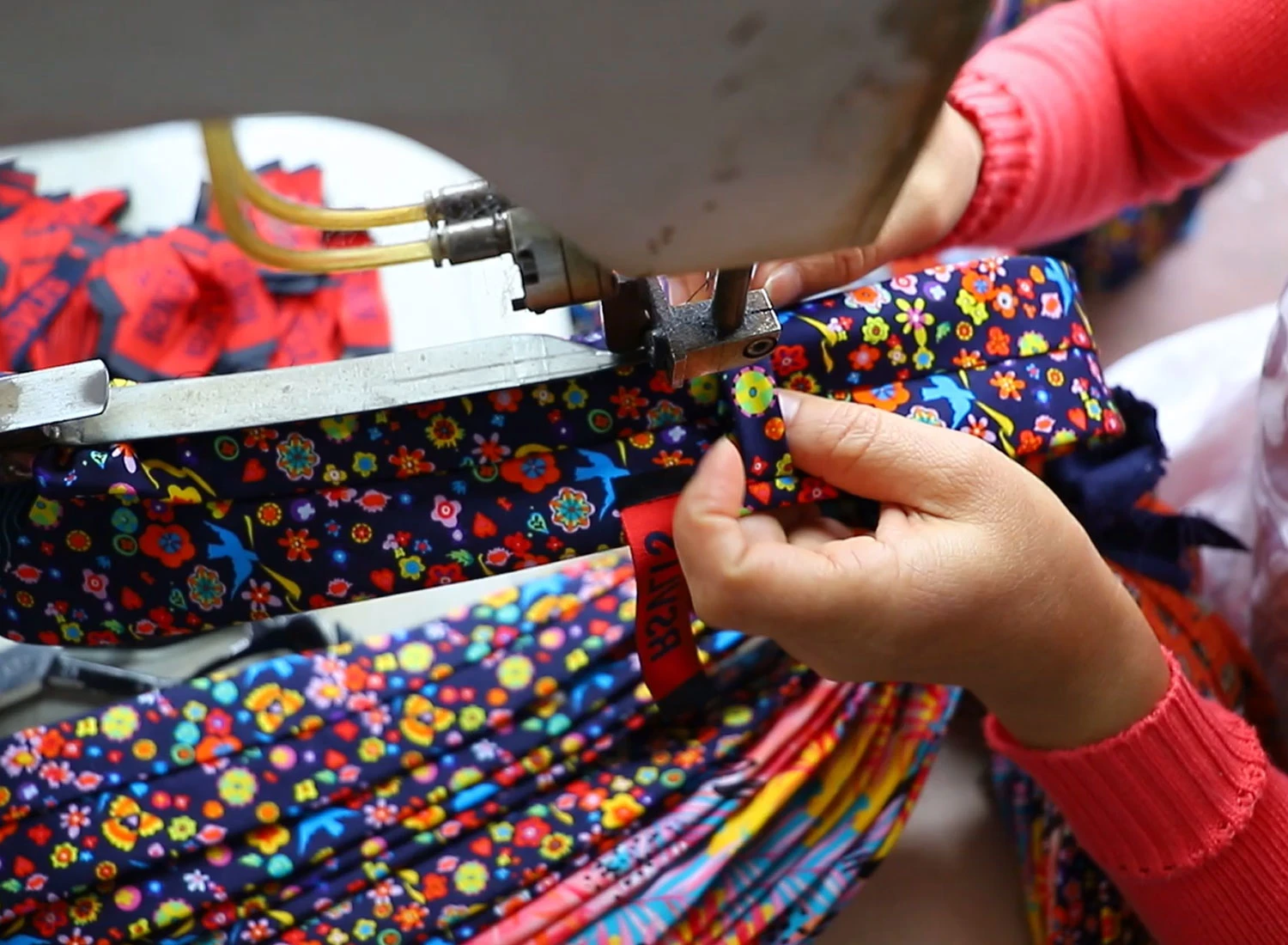
Founded in 1994 in Shengzhou, Zhejiang-widely known as China's necktie capital-YILI Necktie & Garment Co., Ltd. operates both handmade and semi-handmade production lines to serve the full quality spectrum. Our silk neckties use mulberry silk shells sourced from certified suppliers, with interlining selected for shape retention and durability. Each production batch undergoes quality inspection at three stages: fabric inspection, mid-production check, and final finished-goods inspection.
For B2B inquiries, custom specifications, or sample requests, contact YILI at Yili05@chinayilitie.com or call +8613567590288. We welcome OEM and private-label orders with custom colors, patterns, and packaging for volume buyers.
References
- The Textile Institute. Handbook of Technical Textiles, 2nd Edition. Woodhead Publishing.
- Fairbanks, A. & Taylor, N. (2018). "Quality Assessment in Silk Apparel Manufacturing." Journal of Textile and Apparel Technology.
- Yin, R. (2020). "Comparative Analysis of Hand-Stitched and Machine-Assembled Necktie Construction." International Journal of Fashion Technology.
Send Inquiry