

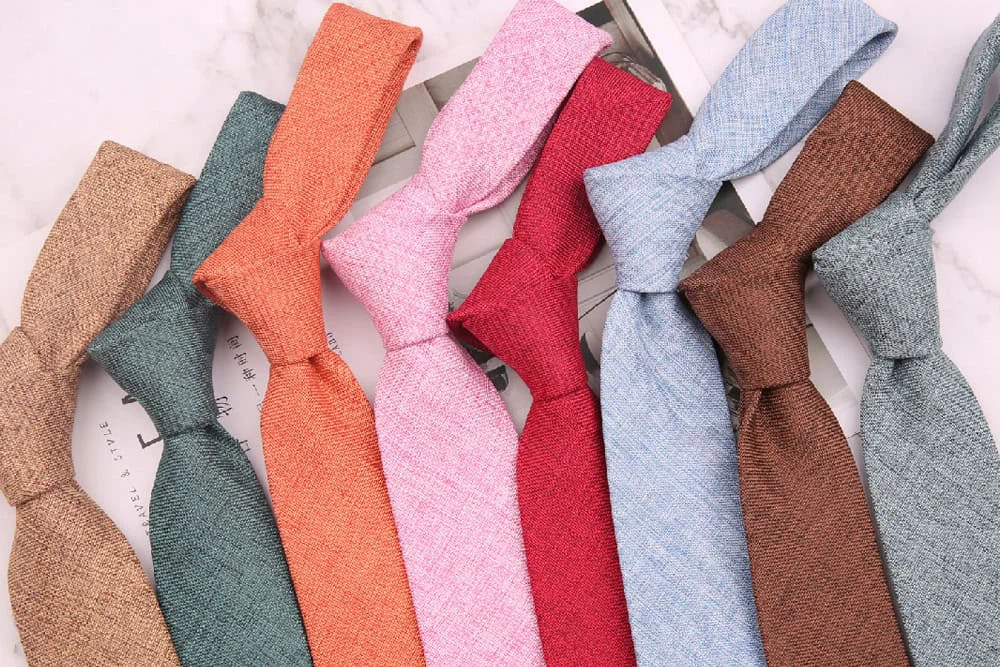
Welcome to our discussion on the timeless fact of fashion: the linen tie. With style-conscious individuals leaning towards not only the aesthetic but also environmentally mindful choices, linen has emerged as a fabric that expertly weaves together sustainability and elegance.
The Rise of Linen in Fashionable Ties
In the contemporary discourse of fashion and sustainability, linen ties stand out as beacons of eco-friendly elegance. Linen, derived from the flax plant, is renowned for its minimal ecological footprint. This is due in part to the relatively low water and pesticide requirements for flax cultivation compared to other natural fibers like cotton. As a result, linen ties are embraced not only by the fashion-forward but also by those who prioritize environmental stewardship.
Beyond its sustainable allure, linen possesses inherent qualities that endow ties with unparalleled advantages. The breathability of linen ensures comfort against the skin, an attribute that comes into its own in warmer climes or during the summer months. Moreover, the strength of linen substantially surpasses that of cotton, offering wearers both longevity and durability-a feature particularly prized in a well-curated wardrobe.
The style quotient of linen cannot be overstated. Its natural luster and ability to retain dye afford a spectrum of colors that can elevate any ensemble. Linen ties confer a textured, organic look that is both versatile and modern, easily transitioning from business casual to event-appropriate attire.
Additionally, linen's low maintenance requirements dovetail neatly with today's fast-paced lifestyle. Resistant to damage and simple to care for, linen ties liberate the user from the often tedious demands of garment upkeep. They signify a choice that is as pragmatic as it is stylish.
In this chapter, we have seen how the advantages of linen ties align with current trends in fashion and sustainability. As we move forward, we will delve deeper into these aspects, providing you with a panoramic view of why linen ties are a sartorial and eco-conscious essential.
 Advantages of Linen Ties
In the world of accessories, linen ties shine as a perfect fusion of style, comfort, and sustainability. They strike an exquisite balance between luxury and a light ecological footprint, offering several compelling advantages for the discerning gentleman.
Lightweight and Comfortable for All-Day Wear
Linen fabric boasts a remarkable lightweight quality, which equates to unmatched comfort throughout the day. This natural fiber allows for breathability, ensuring that those who sport a linen tie stay cool, even in the pressing heat of business deals or summertime socials.
Protection From Damage and Easy Maintenance
Durability is another feather in the cap of linen ties. The wear and tear that befall more delicate fabrics do not easily distress linen. It resists damage from abrasion and doesn't give in to the rigours of regular use. Despite its strength, maintaining a linen tie requires minimal effort. It's a no-fuss fabric that resists stains and becomes softer with each wash, maintaining its integrity over time.
Environmental Impacts: Biodegradability and Sustainability
 One of the most significant edges linen has over other materials is its biodegradability and sustainability. The flax plant, from which linen is wrought, is environmentally friendly, requiring far less water and pesticides than its cotton counterpart. Linen, a wholly natural fiber, deteriorates back to the earth, leaving behind no synthetic pollutants.
Aesthetic Appeal: Style and Versatility
Fashion's gatekeepers esteem linen for its aesthetic versatility and its organic, textured appeal. A linen tie can both stand out as a statement piece and blend smoothly with a variety of fabrics and patterns, making it a mainstay in the modern man's wardrobe.
Pricing and Accessibility in Fashion Markets
Far from being an exclusive luxury, linen ties score high on affordability and accessibility. With the escalating demand for eco-chic fashion, linen has become widely available, offering budget-friendly elegance to those looking to spruce up their attire.
Linen's Superior Durability and Strength
Lastly, the sheer durability and tensile strength of linen outshine many synthetic blends and even natural alternatives. Its longevity ensures that a linen tie can gracefully weather the test of time, securing itself as a staple in the annals of classic style.
A linen tie encapsulates the essence of contemporary men's fashion: It's at once a nod to time-tested elegance and an embrace of forward-thinking ecological principles. With each drape around the neck, it represents a conscious choice that style and sustainability can indeed walk hand-in-hand.
The Sustainable Fashion Movement
 In the fashion industry's dynamic evolution, sustainable practices are threading their way through the very fabric of innovative trends, with linen ties emblematic of this shift toward ecological responsibility. As a beacon of the sustainable fashion movement, linen represents not only a sartorial statement but an ethical commitment to environmental stewardship.
Linen, embraced for its minimalistic impact on resources, stands out in this green revolution. It is cultivated from flax - a plant that demands fewer pesticides and water sources compared to conventional crops like cotton. The processing of linen adheres to naturalistic principles, creating a lower carbon footprint and reducing the strain on our planet's delicate ecosystems.
As consumer awareness grows and their purchasing power converges with conscience, fashion is recasting its role in the global narrative. Linen's integration into the mainstream market embodies the consumer shift towards environmentally conscious consumption. It's a movement driven by the desire to leave lighter footprints on Earth, counter fast fashion's transient trends, and anchor purchases in the realms of significance and sustainability.
This eco-conscious ethos transcends mere experimentation; it is becoming integral to the fabric of the industry. As consumers, we're increasingly attuned to the origins of our apparel, the conditions under which they're produced, and the lifecycle they lead after they've graced our wardrobes. Linen, with its capacity for biodegradation and recycling, stands as a testament to the feasibility of fashionable sustainability.
Within the tapestry of sustainable fashion, the linen tie is emblematic of enlightened elegance-a choice that aligns the timeless with the responsible. As this movement continues to flourish, it is the mindful merges of style with substance, like those found in linen ties, that will pave the way to a more sustainable, stylish future.
Linen vs. Other Materials
 In the realm of tie fabrics, linen stands out for its sustainability and minimal ecological footprint, especially when compared to traditional materials like silk, cotton, and wool. Each fabric has unique characteristics, but when it comes to environmental impact, linen is notably superior.
Linen vs. Silk:
Silk exudes luxury and has a smooth finish, but its production is not as environmentally friendly. The cultivation of silkworms for silk requires more energy and resources than the growing of flax plants for linen. Additionally, the process of silk production often involves chemicals that can harm the environment, which contrasts sharply with the natural cultivation and processing of the flax plant.
Linen vs. Cotton:
Cotton is highly regarded for its comfort, but it's a thirsty crop, requiring significant amounts of water and pesticides, which have detrimental effects on the planet. Linen, on the other hand, requires significantly less water and pesticides, making it more sustainable and eco-friendly.
Linen vs. Wool:
Wool is durable and has great insulating properties, yet its environmental impact is more substantial. The raising of sheep contributes to land degradation and requires a considerable amount of water. Conversely, flax cultivation has minimal impact on the land and uses far less water, making linen a more sustainable choice.
Ecological Footprint:
Linen production is relatively benign in comparison to synthetic fibers which are derived from fossil fuels and are notorious for their negative environmental impact. The production of linen does not require the intensive use of energy or emit large amounts of greenhouse gases. It is a natural, biodegradable fiber that doesn't contribute to landfill issues, whereas synthetic fibers can take hundreds of years to decompose.
To sum up, while other materials have their own merits, the ecological advantages of linen – from its farming through production to its eventual biodegradable nature – can not be overstated. Linen's lower ecological footprint positions it as the material of choice for those invested in preserving our planet.
Case Study: Sustainable Linen Tie Manufacturers and their Rising Popularity

 In the midst of a significant shift towards eco-conscious fashion, an emergence of linen tie manufacturers has made a marked impact with their dedication to sustainability. MagicLinen is one such trailblazer, offering customizable linen apparel that emphasizes reduced waste and longevity.
Artisans on platforms like Etsy are also instrumental in propelling sustainable fashion forward. By utilizing local materials and supporting time-honored craftsmanship, they ensure that each linen tie not only adds aesthetic value but also upholds environmental and societal ethics.
Furthermore, the push for innovation has seen fashion houses turn to bio-based alternatives, repurposing agricultural by-products and algae to create pioneering sustainable tie materials. These initiatives, along with the observed rise in search trends on platforms like Google Trends, where "linen ties" have shown a consistent increase in interest over the last five years, underscore the expanding consumer demand for environmentally responsible choices.
This convergence of traditional methods and modern sustainability speaks volumes of the industry's ability to adapt to contemporary values without forfeiting elegance or profitability. These case studies of linen ties represent a microcosm of change within the wider landscape of fashion – a signpost pointing out the growing alignment of consumer habits with the health of our planet.
Conclusion: Embracing Linen Ties in the Loom of Fashion's Future
In summarizing the merits of linen ties, we find a compelling catalog of benefits that extend beyond mere aesthetics. They are emblematic of an eco-friendly ethos, offering lightweight comfort, robust durability, and remarkable versatility. Linen's ease of maintenance, coupled with its elegant flair, makes it a preferred choice for the conscientious gentleman.
The future of linen in the fashion industry looks promising and bright. With a global market projected to grow substantially, as referenced in Fibre2Fashion's report indicating near $100 billion by 2027, linen's role is set to expand. The fabric's sustainability credentials align with the industry's direction toward environmentally-responsible practices, making linen not just a trend but a mainstay-poised to usurp cotton's throne.
As consumers become even more environmentally discerning, the demand for sustainable fashion like linen ties will only intensify. Linen, with its storied past and adaptable attributes, is fully equipped to meet this call, weaving together the threads of tradition and progress, style and substance, to dress the future of fashion sustainably.
Ready to add the timeless appeal of linen to your wardrobe? Explore our exquisite range of linen ties and embrace sustainable elegance today!