

5 Key Points to Consider When Ordering Custom Company Uniform Ties in Bulk
Jan 22, 2026
Leave a message
 When you're ordering custom company uniform ties in bulk, getting every detail right is crucial-not just for a polished look, but for reinforcing your brand identity and ensuring long-term value. A well-chosen uniform tie can elevate your team's professionalism, foster unity, and turn employees into brand ambassadors, yet bulk orders often come with challenges like balancing cost with quality, aligning designs with brand guidelines, and managing logistics efficiently . In this article, we'll walk you through five key points to consider, from defining your brand's purpose to selecting the right manufacturer, so you can navigate the process confidently and achieve a seamless, impactful result for your organization.
1. Define Your Purpose and Corporate Identity
 Before selecting fabrics or finalizing designs, the most critical step in ordering custom uniform ties is aligning them with your company's core purpose and identity. Your corporate purpose-the "why" behind your business-should guide every decision, ensuring the final product reinforces what your brand stands for to both employees and customers. A well-defined purpose acts as a north star, ensuring your uniform ties are not just accessories but cohesive elements of your broader brand narrative. This alignment transforms standard neckwear into a powerful tool for building a unified professional image.
Aligning with Brand Guidelines
Your brand guidelines provide the essential blueprint for your custom ties. This means meticulously matching corporate colors to the tie's fabric, ensuring your logo is reproduced with precision, and selecting a scale and style that reflects your company's personality-be it traditional, innovative, or customer-focused. For instance, a brand emphasizing sustainability might prioritize ties made from eco-friendly materials, thereby making its values immediately visible . Consistent application of these elements across the entire order turns individual ties into a cohesive symbol of your brand's attention to detail and professionalism .
Considering the End-User and Occasion
A truly effective uniform tie must be designed with the employee in mind. Consider the different roles and environments within your company: a durable, easy-care polyester blend may be ideal for daily wear in a retail setting, while a luxurious silk tie might be reserved for executives in client-facing roles or special corporate events. The tie's dimensions are equally important; a contemporary width might suit a tech company's modern image, while a classic width may be better for a legal or financial firm. Understanding these practical needs ensures the ties are not only worn but worn with confidence, enhancing comfort and morale by showing employees that their functional needs have been considered.
2. Select the Right Fabric and Quality for Durability
 The fabric you choose for your custom uniform ties directly impacts their longevity, professional appearance, and total cost of ownership. For bulk orders intended for daily corporate wear, durability isn't just about withstanding frequent use-it's about maintaining a polished look over time without excessive maintenance or replacement costs. A strategic fabric selection balances performance, aesthetics, and budget, ensuring your investment continues to reinforce your brand's professionalism .
Balancing Cost, Appearance, and Longevity
For corporate uniform ties, the most practical choice is often a polyester blend. These fabrics are highly durable, wrinkle-resistant, and colorfast, retaining their vibrancy after numerous washes-a key advantage for ties worn daily by employees in various roles . Polyester's inherent strength provides excellent abrasion resistance, meaning the ties are less likely to pill or thin at friction points, such as the knot area . From a procurement perspective, polyester blends are cost-effective for large orders and simplify logistics, as they are generally machine-washable, reducing long-term cleaning expenses compared to delicate fabrics like silk that require dry cleaning .
For organizations prioritizing a premium, luxurious feel, silk remains the quintessential option, ideal for executive gifts or high-profile corporate events. However, for daily uniforms, a silk tie demands more careful maintenance. A robust alternative that bridges the gap between luxury and practicality is a wool blend, which offers rich texture, natural resilience, and warmth, suitable for fall and winter collections or corporate clients in cooler climates . When evaluating options, consider the fabric weight (grams per square meter); a weight of 120-150 gsm typically offers an optimal balance of structure and drape for a professional knot .
3. Master the Design Details: Logo, Dimensions, and Style
 Perfecting the design details of your custom uniform ties is where your brand's identity truly comes to life. This stage focuses on three critical elements: ensuring your logo is optimally presented, selecting the correct tie dimensions for a unified look, and choosing a style that reflects your company's character. Attention to these details transforms a standard tie into a powerful, cohesive branding tool .
Effective Logo Placement and Size
The placement and application method of your company logo are crucial for professionalism and brand recognition. For corporate ties, the most effective and discreet placement is typically on the blade (the wide end of the tie), either on the side or the back, ensuring visibility without being overpowering. A recommended logo size is 2–2.5 inches wide, which maintains a clean, professional appearance . The choice between embroidery and printing is key: embroidery offers a premium, durable finish ideal for logos with simpler designs, while sublimation printing is better for complex, full-color logos, providing vibrant and long-lasting results . It's vital that the logo remains clear and legible when scaled down, adhering to the principle that a simple design enhances recognizability .
Choosing the Correct Width and Length
The dimensions of the tie directly impact the overall professional aesthetic. The classic width of 8–9 cm (approximately 3.0-3.5 inches) is the most versatile and widely accepted choice for corporate uniforms, as it aligns with traditional business dress codes and pairs well with standard collar styles . Consistency in width across the organization is essential for a unified look. Regarding length, a standard length of 140–145 cm (approximately 55-57 inches) is suitable for most employees. However, it is important to account for taller individuals, for whom an extra-long option of 150–160 cm (approximately 59-63 inches) should be available to ensure a proper fit for all . Providing clear guidance on standard knot styles, such as the Four-in-Hand or Half-Windsor, can further ensure a consistent and professional appearance across your team.
4. Choose a Reputable Manufacturer with Proven Expertise
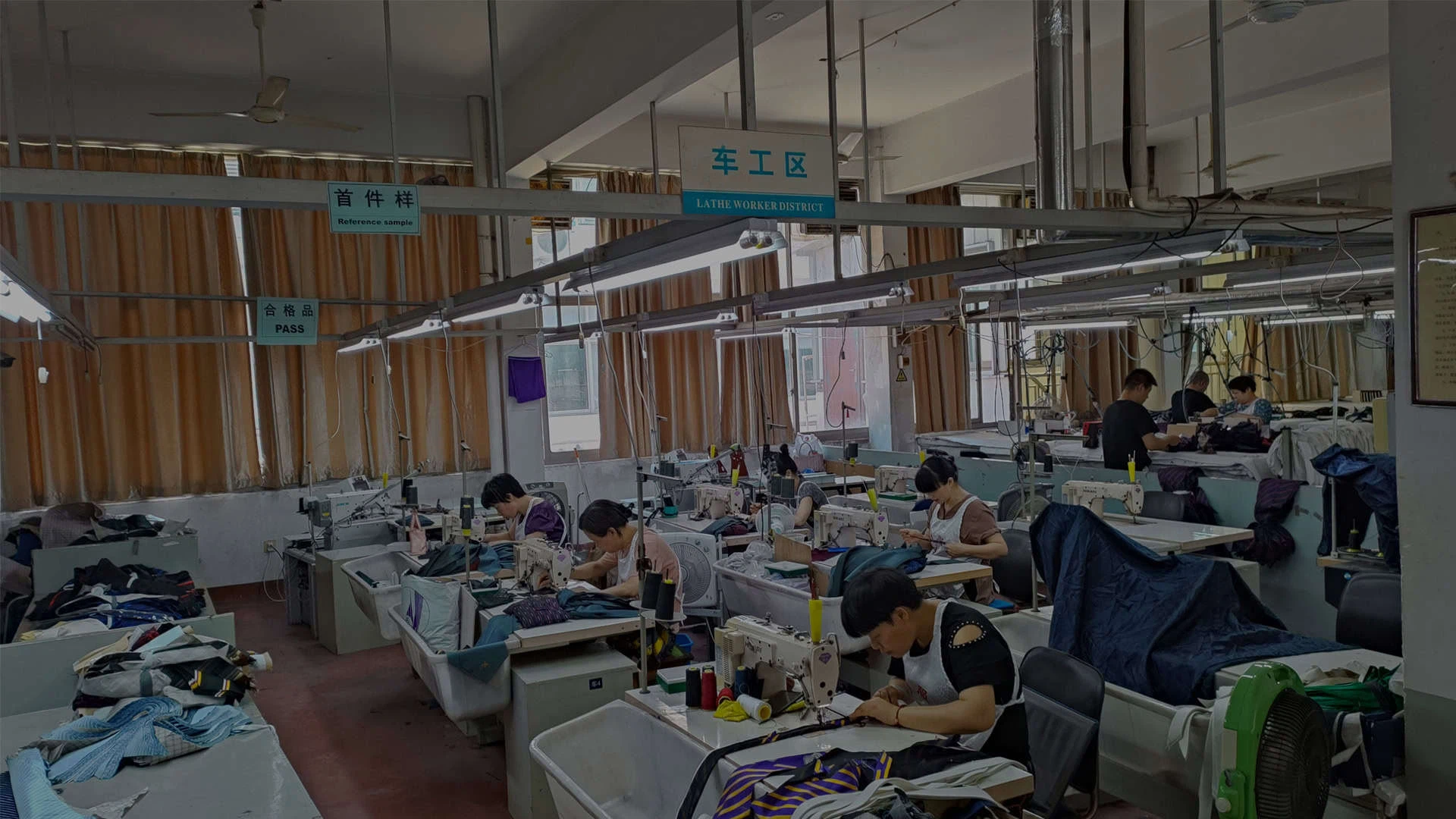
 Selecting the right manufacturing partner is perhaps the most critical decision in your bulk uniform tie project. A reputable manufacturer does more than just produce ties; they become a strategic ally, ensuring quality, managing logistics, and providing valuable insights from design to delivery. Their proven expertise directly impacts the final product's quality, your brand's reputation, and the overall value of your investment .
Evaluating Supplier Credentials and Samples
Before committing to a large order, due diligence is non-negotiable. Start by verifying the manufacturer's credentials. Look for relevant international certifications such as ISO 9001 for quality management systems, which indicates a commitment to standardized, consistent production processes. For textiles, certifications like GRS are crucial as they verify that the fabrics are free from harmful substances, aligning with corporate social responsibility goals . These certifications are a baseline indicator of a factory's operational rigor and adherence to global standards.
However, credentials on paper must be validated with physical proof. Always request physical samples before placing a bulk order. A sample allows you to assess the actual quality of the fabric, the precision of the stitching, the color fastness, and the overall craftsmanship. Reputable manufacturers encourage this step and are transparent about their capabilities . When evaluating the sample, pay close attention to the placement and quality of the logo application (whether embroidered or printed) and the tie's construction. This hands-on evaluation is your best defense against unexpected quality issues in a large shipment .
Understanding MOQ, Pricing, and Lead Times
Clear communication about commercial terms is essential for a smooth partnership. Begin by discussing the Minimum Order Quantity (MOQ). For custom ties, MOQs can vary significantly, with some manufacturers requiring as few as 30 pieces per design, while others may have higher thresholds . A transparent manufacturer will clearly state their MOQ and work with you to find a feasible quantity, especially for initial orders.
When it comes to pricing, obtain detailed quotations that break down costs per unit. Be wary of prices that seem too good to be true, as they often reflect compromises in material quality or labor standards. A trustworthy partner will justify their pricing with clarity, explaining costs related to materials, customization complexity, and logistics . Finally, establish a realistic production timeline. Lead times for mass production can range from 18 to 30 days, but this can be longer during peak seasons or for highly complex designs . A professional manufacturer will provide a clear schedule and proactively communicate any potential delays, ensuring your project stays on track.
5. Plan for Logistics and After-Sales Support
 A successful bulk uniform tie order isn't complete once the ties are manufactured; efficient logistics and reliable after-sales support are crucial for ensuring the final products reach your team on time and remain in excellent condition. A well-structured plan for distribution and ongoing support transforms a simple transaction into a long-term partnership, providing peace of mind and protecting your investment .
Streamlining Delivery and Distribution
For bulk orders, especially those destined for multiple corporate locations or individual employees, the distribution model is a key consideration. A manufacturer with robust logistics will typically offer options like centralized, regional, or hybrid distribution models to balance cost, speed, and control . For a single corporate headquarters, a centralized shipment may be most efficient. However, for national or international companies distributing ties to hundreds of franchise locations or individual employees, a regional distribution model or a partnership with a third-party logistics (3PL) provider can significantly reduce last-mile delivery times and costs.
Efficiency is further enhanced through advanced packaging and cartonization standards. A professional manufacturer will use standardized, durable packaging that minimizes damage during transit and optimizes carton space to reduce dimensional weight charges from carriers . Furthermore, serialized product tracking and real-time visibility are essential. You should receive tracking information, allowing you to monitor the shipment's progress from the factory dock to the final delivery point, ensuring full transparency throughout the journey.
Providing Clear Care Instructions
The longevity of your uniform ties heavily depends on proper care. Providing employees with clear, concise care instructions is a fundamental part of after-sales support that demonstrates a commitment to quality and employee well-being. These guidelines should cover recommended cleaning methods (e.g., dry cleaning for silk, machine-washing for polyester blends), ironing temperatures, and proper storage techniques to maintain the tie's shape and color.
Beyond a one-time handout, the manufacturer's role can extend to providing ongoing support channels. This includes a dedicated customer service team that can answer specific care questions from employees and offer solutions for common issues like stain removal or knot shaping . This proactive approach to after-sales support reduces frustration for employees and ensures your corporate investment continues to look professional over time. Establishing a clear process for collecting and addressing feedback on the product's performance in the field allows the manufacturer to continuously improve and solidifies a true partnership focused on long-term satisfaction.
Conclusion: Partnering for Professional Excellence
Investing in well-executed, bulk custom uniform ties strengthens your brand identity, fosters team unity, and demonstrates a commitment to quality . By carefully considering the five key points outlined-from defining your purpose and selecting fabrics to mastering design and choosing the right manufacturer-you lay the groundwork for a successful order that delivers long-term value.
The final step is selecting a manufacturing partner with the expertise to bring your vision to life reliably. A reputable supplier will guide you, ensure quality, and manage logistics seamlessly . Viewing this as the start of a long-term partnership ensures consistent quality and support for future needs.
Ready to elevate your corporate image? Contact us to discuss your project, request a complimentary physical sample, and receive a detailed quote tailored to your requirements.
Send Inquiry