

How to Choose the Perfect Silk Tie: A Complete Guide for 2026
Mar 24, 2026
Leave a message
Finding the perfect silk tie can transform an ordinary outfit into a statement of elegance and professionalism. Whether you're a corporate buyer sourcing quality neckwear for your team or an individual looking to elevate your personal style, understanding what makes a superior silk tie is essential. This comprehensive guide will walk you through everything you need to know about selecting the ideal silk tie in 2026.
Why Silk Remains the Gold Standard
Silk has been the preferred material for quality neckties for centuries, and for good reason. Natural silk offers a unique combination of luxurious appearance, comfortable drape, and durability that synthetic alternatives simply cannot match. The fabric's natural luster catches light beautifully, creating a subtle sheen that adds depth and sophistication to any ensemble.
Beyond aesthetics, silk ties offer practical benefits. The material breathes naturally, making it comfortable to wear throughout long business meetings or formal events. Silk also holds knots exceptionally well, meaning your carefully tied Windsor or Pratt knot will maintain its shape throughout the day.
Understanding Silk Quality: What to Look For
Mulberry Silk vs. Other Varieties
Not all silk is created equal. The highest quality silk ties are crafted from Mulberry silk, produced by silkworms fed exclusively on mulberry leaves. This results in longer, more uniform fibers that create smoother, stronger fabric with a consistent texture throughout.
When evaluating a silk tie, look for:
- Consistent weave: Hold the tie up to light and check for even texture without thin spots or irregularities
- Rich color saturation: Quality silk absorbs dye deeply, resulting in vibrant, lasting color
- Smooth hand feel: The fabric should feel soft and luxurious, not rough or scratchy
- Subtle sheen: A gentle glow rather than an artificial shine indicates genuine silk

Weight and Thickness
Silk ties typically range from lightweight (suitable for summer) to heavyweight (ideal for cooler months). A medium-weight silk tie around 18-22 momme (a traditional silk weight measurement) offers versatility across seasons. Heavier ties tend to hold knots better and drape more elegantly, while lighter ties offer comfort in warm weather.
Choosing the Right Width
Tie width has evolved significantly over the decades, and 2026 continues the trend toward classic proportions. The ideal width depends on your body type and the lapels of your jacket:
- Classic width (3.25-3.5 inches): Universally flattering and timeless, this width works with most jacket styles
- Slim width (2.5-3 inches): Modern and stylish, best paired with narrower lapels and slim-fit suits
- Wide width (3.5+ inches): Makes a bold statement, suitable for larger frames or retro styling
The key rule: your tie width should roughly match the width of your jacket lapels at their widest point.
Length Considerations
Standard tie length is approximately 57-58 inches, which works well for most men. However, proper length depends on your height and how you tie your knot:
- Regular height (5'8" - 6'0"): Standard length ties should reach your belt buckle when knotted
- Taller individuals (6'1" and above): Consider extra-long ties (62+ inches) for proper proportion
- Larger neck size: Extra length ensures you have enough material for full knots

Selecting Colors and Patterns
Versatile Solid Colors
Every wardrobe should begin with solid-colored ties in versatile shades. Navy blue, burgundy, and charcoal gray form the foundation of a professional tie collection, pairing effortlessly with most suits and shirts. These timeless colors convey authority and sophistication in business settings.
For 2026, consider expanding your palette to include:
- Forest green: A sophisticated alternative to traditional blues
- Rust and terracotta: Warm tones that complement navy and gray suits
- Dusty rose: A modern accent color gaining popularity in professional settings
Pattern Selection
Patterns add visual interest and personality to your ensemble. Popular options include:
- Stripes: Classic and professional, especially traditional British club stripes
- Paisley: Elegant and sophisticated, perfect for formal occasions
- Geometric patterns: Modern and versatile for contemporary business wear
- Polka dots: Playful yet refined, adding personality without overwhelming
When mixing patterns, follow the rule of contrast: pair a patterned tie with a solid shirt, or match different pattern scales (small checks on shirt, larger pattern on tie).

Occasion-Based Selection
Different settings call for different ties. Here's a quick guide to choosing appropriately:
Business Professional
Stick to conservative colors and subtle patterns. Navy, burgundy, and dark gray solid ties or small-scale patterns work best. Avoid bright colors or novelty patterns in formal business environments.
Business Casual
You have more flexibility here. Textured silk ties, subtle patterns, and a broader color palette are appropriate. Consider knitted silk ties for a contemporary casual look.
Formal Events
For weddings and formal occasions, consider the dress code and time of day. Evening events call for darker, more sophisticated ties, while daytime ceremonies allow for lighter colors and more expressive patterns.
Creative Industries
If you work in advertising, design, or other creative fields, your tie can be more expressive. Bold colors, interesting textures, and unique patterns can become part of your personal brand.

Quality Construction: The Hidden Details
A truly excellent silk tie is defined by construction details you can't always see at first glance:
Lining Material
Quality ties use wool lining, which provides structure while allowing the tie to maintain its shape. Inexpensive ties may use polyester or cotton blends, which can cause the tie to twist or lose its shape over time.
Hand-Rolled Edges
Look for ties with hand-rolled edges (often indicated by subtle irregularities in the hem). This artisanal detail indicates superior craftsmanship and ensures the tie drapes naturally.
Slipstitch
A slipstitch is a loose thread running the length of the tie that allows it to flex and return to shape. Gently pull on both ends of a quality tie-you should feel slight give from this internal stitch.
Bar Tack
At the narrow end, look for a bar tack stitch that holds the fold together. This small detail indicates attention to construction quality.
Caring for Your Silk Ties
Proper care extends the life of your silk ties significantly:
- Storage: Hang ties loosely or roll them gently; never fold or crease
- Cleaning: Spot clean with a damp cloth; professional dry cleaning for stubborn stains
- Rotation: Allow ties to rest between wears to maintain shape
- Travel: Use a dedicated tie case or roll carefully in your luggage
Never iron a silk tie directly-if you must remove wrinkles, use steam from a distance or hang the tie in a steamy bathroom.
Building a Versatile Tie Collection
For those starting or expanding their collection, consider this strategic approach:
Essential First Three
- Navy blue solid: The most versatile tie in any collection
- Burgundy or deep red: Classic and sophisticated
- Gray or silver: Elegant option for variety
Expanding Your Options
Once you have the essentials, add patterned versions of your core colors, then branch into seasonal options and statement pieces. Quality matters more than quantity-three exceptional silk ties will serve you better than ten mediocre ones.
Why Choose YILI for Your Silk Ties
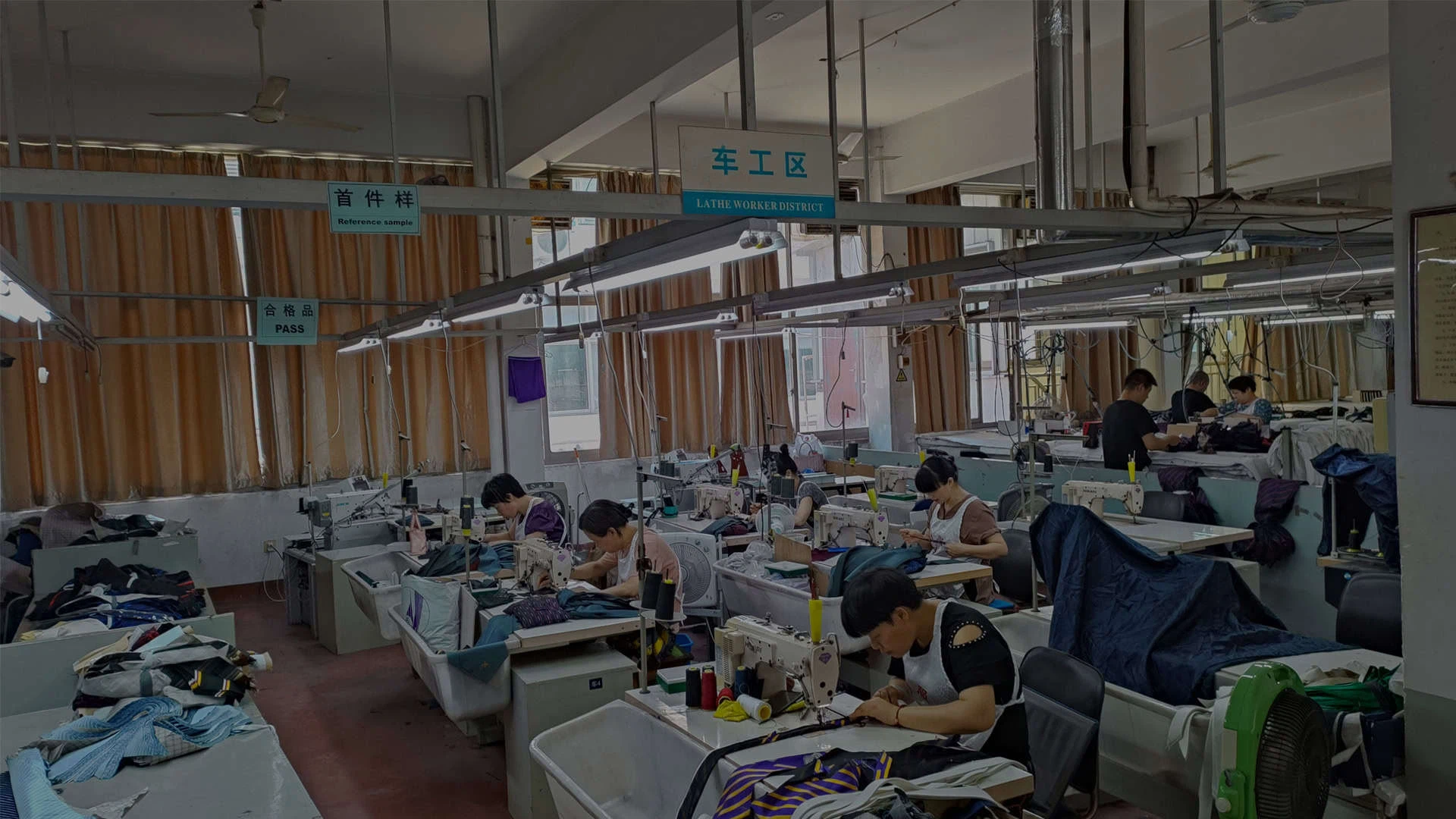
With over 30 years of experience in necktie manufacturing, Shengzhou YILI Necktie & Garment Co., Ltd. brings unparalleled expertise to silk tie production. Our location in Shengzhou-China's necktie capital-gives us access to the finest materials and most skilled artisans in the industry.
We offer:
- Premium Mulberry silk: Sourced from trusted suppliers for consistent quality
- Complete customization: Custom woven logos, unique patterns, and personalized colorways
- Quality certifications: ISO9001 and BSCI certified manufacturing
- Global reach: Serving clients across Europe, North America, Asia, and beyond
Whether you're a corporate buyer seeking branded ties for your organization or a retailer looking for quality wholesale neckwear, YILI combines traditional craftsmanship with modern quality standards.
Final Thoughts
Choosing the perfect silk tie is both an art and a science. By understanding silk quality, proper proportions, and occasion-appropriate styling, you can make informed decisions that elevate your professional image. Remember that a quality silk tie is an investment-one that, with proper care, will serve you for years to come.
The right tie doesn't just complete an outfit; it communicates attention to detail, respect for tradition, and confidence in your personal style. Take the time to choose wisely, and your silk tie collection will become one of your most valuable professional assets.
For inquiries about custom silk ties or wholesale orders, contact YILI at Yili05@chinayilitie.com.
Send Inquiry