

Different Ties: A Stylish Vocabulary Lesson
Jun 12, 2023
Leave a message
What are Different Ties Called?
Introduction
Ties have been a staple in men's and women's fashion for centuries. A tie is a narrow piece of cloth that is worn around the neck, knotted at the front, and hangs down to the chest. Ties come in various designs, styles, and colors that can make or break an outfit.
Types of Ties
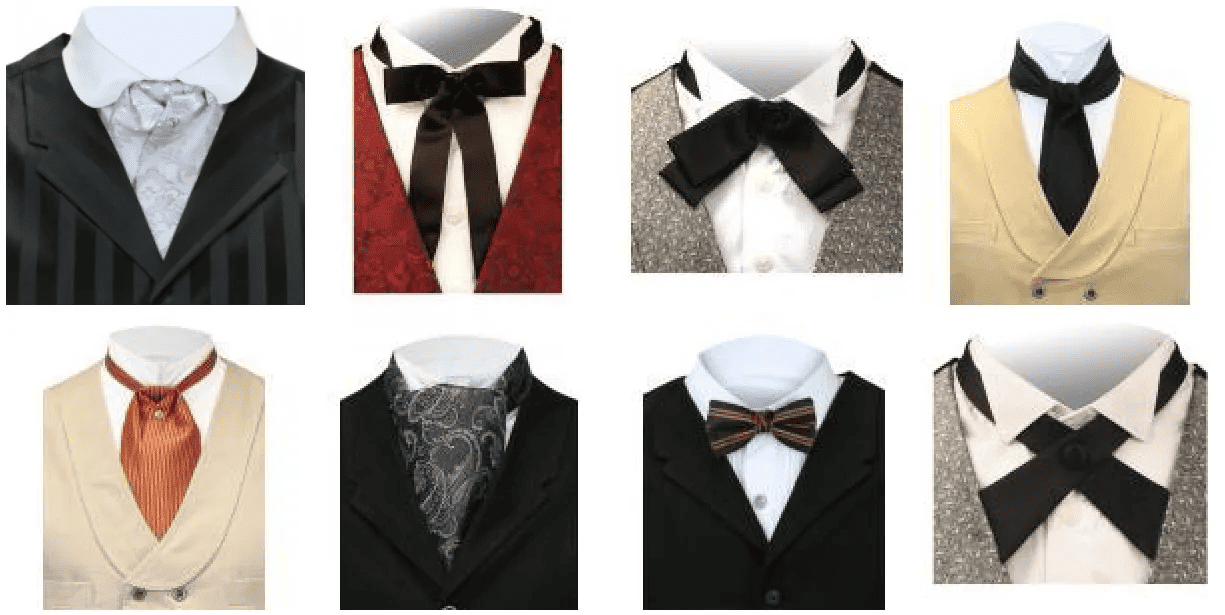
Ties have been an essential accessory for men's fashion and formal wear for over a century. There are many different types of ties, each with its unique style and purpose. Here are some of the most popular types of ties:

Necktie
The necktie is the most common type of tie worn by men in professional settings. Neckties come in a variety of colors, patterns, and materials. They can be worn with any type of shirt or suit to complete a professional look.
Standard Necktie
The standard necktie is the most commonly worn necktie. It typically measures around 3 to 3 ¼ inches wide at its widest point and about 57-58 inches long. This style is versatile, and it can be worn with any outfit.
Skinny Tie
The skinny tie became popular in the late 1950s and early 1960s during the "Mod" era. It features a width that ranges from 1-inch to just under 2-inches at its widest point. Skinny ties work best when paired with slim-fitting suits or dress shirts.
 Bow Tie
Bow ties have been around since the early nineteenth century, commonly associated with formal events such as weddings or black-tie affairs. Bow ties come in various styles such as self-tied bow tie or pre-tied options.
Cravat
A cravat is similar to a traditional necktie but has wider ends that can be tied in various ways to create different looks, making it perfect for formal occasions.
Ascot Tie
An Ascot tie originated from England during the late nineteenth century and was originally used for morning events like horse races, hence called 'ascot'. This tie has broader ends than a traditional necktie and is made with luxurious materials like silk or satin.
Day Cravat
A daytime cravat is similar to an ascot tie but is more casual. It can be worn with a blazer or jacket to create a smart-casual look.

Evening Cravat
 The evening cravat is the most formal type of cravat, perfect for weddings, black-tie events, or prestigious dinners. It's usually made of silk and has an elaborate knot.
Bolo Tie
A bolo tie, also known as a cowboy tie, originated from the Western United States in the early 20th century. It features a cord that slides through a decorative clasp in the center and typically features ornaments such as silver or turquoise.
A clip-on tie eliminates the need to knot the tie by hand; thus, it's perfect for those who want to save time getting ready while still maintaining their professional appearance.
History and Origin of Different Ties
Necktie: European Origin and Evolution
The necktie has its roots in Europe, where it evolved from the cravat in the 17th century. The first neckties were made of white cotton or linen and were worn by Croatian mercenaries serving in France.
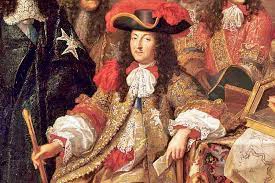
They caught the eye of King Louis XIV, who began to wear them himself. From there, they spread throughout Europe and became a staple accessory for men's fashion.
American Influence on Neckties
In the 19th century, American influence on neckties began to emerge. American ties were longer and narrower than their European counterparts and were made from lighter materials such as silk. This style became known as the "four-in-hand" knot, named after the four-in-hand club in London where it was popularized.
Cravat: French Origin and Popularity
The cravat originated in France during the 17th century and was originally worn by Croatian soldiers serving in France. It was made of a strip of fabric tied around the neck, much like a modern-day scarf. The cravat quickly became popular among French aristocracy as a symbol of elegance and sophistication.
Cravats in the Victorian Era
During the Victorian era, cravats were worn by both men and women as a fashion accessory. Men's cravats evolved to become more elaborate with intricate designs, while women's cravats became known as "stock collars" which were high-necked collars that fastened at the back.
Bolo Tie: Native American Origin and History
The bolo tie has its origins in Native American culture, specifically among Navajo silversmiths who created them as part of their traditional dress during the early 20th century. They were first called "bootlace ties" because they were made from leather boot laces, but as their popularity grew, they began to be made with silver and other materials.
Popularity in the Western United States
The bolo tie became popular in the Western United States during the 1940s and 1950s, particularly among cowboys and rodeo riders. It was later adopted as the official state neckwear of Arizona in 1971. Today, the bolo tie remains a popular fashion accessory in the American Southwest and beyond.
Materials Used for Different Ties
Under the "Materials Used for Different Ties" section, there are different materials used to make ties. The material used can determine the quality of the tie and how well it will hold up over time.
Neckties
When it comes to neckties, silk is considered to be the gold standard. Silk ties have a luxurious feel and drape beautifully, giving them an elegant look. Wool is another popular material because it is durable, warm, and has a good texture.
Polyester ties are less expensive than silk or wool but can still look great if made well. Polyester ties are easier to care for than silk or wool because they don't wrinkle as much.
Cravats
The material used for cravats depends on the occasion. For formal events, silk cravats are often chosen because they add a touch of elegance. Silk cravats have a glossy finish that reflects light beautifully, making them perfect for special events.
In contrast, cotton cravats are more casual and relaxed in appearance. They provide a clean and natural look without being too flashy or attention-grabbing.
Bolo Ties
Bolo ties come in different styles with various materials such as leather bolo ties which give off an earthy vibe that perfectly complements denim or corduroy outfits and other casual looks. Turquoise bolo ties also exist which feature various turquoise stones embedded in silver clasps; these bolo ties remain popular among Native Americans as well as many people who appreciate the Southwest aesthetic.
The type of material that you choose will depend on your style preference as well as what event you're attending or what outfit you're wearing your tie with. Ultimately, it's important to select a high-quality tie that will last you through many wears and still look great.
How to Choose the Right Tie?
Occasion-based selection of a tie
Choosing the right tie is essential for completing a perfect outfit. The type of occasion, dress code, and color schemes are some essential factors that must be considered when selecting a tie.
For example, if you are attending a wedding, opt for a classic silk necktie in muted tones like navy blue or black. Similarly, if you are attending an informal event like a cocktail party, you can experiment with brighter hues and bolder patterns.
The Color Scheme
The color scheme plays an integral role in selecting the right tie. A well-coordinated outfit results in an impressive look.
Be sure to select colors that complement your shirt and suit or jacket. If you're wearing a solid-colored shirt and jacket or suit, choose ties with bold prints and bright colors to make your outfit pop.
Conclusion
Ties have been an essential accessory for men's fashion since ancient times. The different types of ties available today cater to varying occasions and styles. Choosing the right tie requires one to consider factors like the occasion, dress code, color scheme as well as personal preferences.
Always pay attention to how you look in your ensemble; it will help boost your confidence level as you go about your day or night's activities. With these tips on how to choose the perfect tie for any occasion outlined above, it's time to give your wardrobe an upgrade and slay that formal or casual outfit with ease!
Send Inquiry