


Silk Tie Fabric
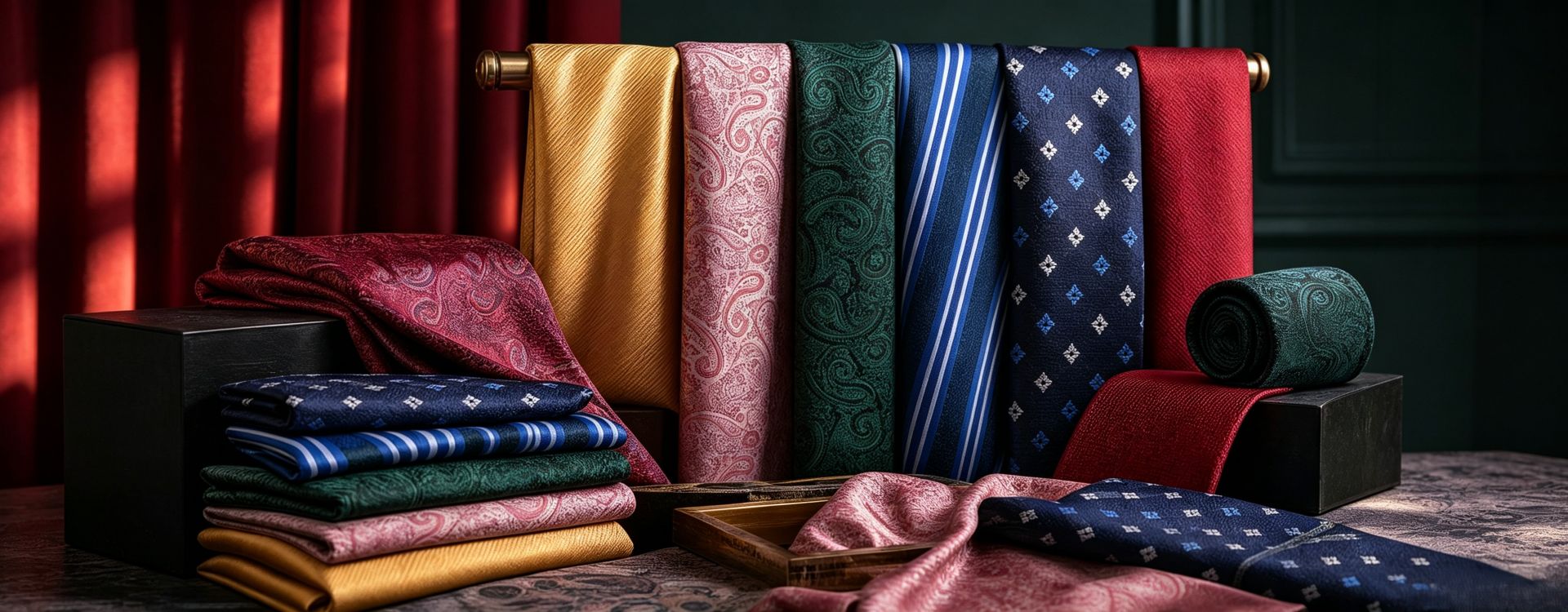
Silk tie fabric, a luxurious natural textile woven from silkworm-derived protein fibers, is celebrated for its soft luster, breathability, and elegant drape. Originating in ancient China and popularized globally via the Silk Road, it became a hallmark of Italian craftsmanship and high-end fashion. Its smooth texture and natural sheen enhance vibrant colors and intricate patterns—such as paisleys, florals, and geometric designs—achieved through traditional resist dyeing, digital printing, or artisanal techniques like Thai weaving. Common varieties include glossy charmeuse, structured twill (as seen in Louis Vuitton’s designs), and textured crêpe de Chine (favored by Liberty London for casual elegance). While less wrinkle-resistant than synthetics, silk’s hypoallergenic properties, temperature regulation, and biodegradability offer unmatched comfort and eco-friendliness.
Silk Tie Fabric Options
YiLi delivers beyond fabric supply - we engineer jacquard textiles from fiber selection through technical customization, enabling brand differentiation with certified solutions.

Endless Custom Possibilities for Custom Silk Tie Fabric
ALL FOR YOUR UNIQUE Silk Tie Fabric
-
Material can be 100% Silk, recycled silk.
-
Fabric pattern: Paisley, polka dot, geometric, solid color, Logo tie fabric, etc.
-
Fabric texture: plain, ribbed, herringbone, twill, satin
-
Fabric technology: jacquard, screen printing, digital printing, dyeing
Low Minimum
Whether you need 30 meters or 10,000 meters, we’ll make it happen, every time.
Direct Factory Price
Our direct manufacturer price on Custom Silk Tie Fabric could be your competitive strong point when compete with others.
Lightning Fast Turnaround
We know you need it yesterday, we got you!
Free Samples
Before placing your order, explore our premium fabrics up close! We provide free fabric swatches (10cm x10cm) so you can.
Free Graphic Design
Send us your images, add clipart, add text, adjust size, color, and more!
7*24 Hours Service
Our business team is waiting to serve you 24/7.
1
Material Options

100 Silk

Mixed Silk
2
Fabric Pattern

Holiday Tie Fabric

Conversational Tie Fabric

Floral Tie Fabric

Paisley Tie Fabric

Novelty Tie Fabric

Striped Tie Fabric
3
Fabric Texture

01.
Plain Fabric Weave
A plain weave fabric is a basic yet multifunctional textile pattern extensively used in the necktie industry. The simplistic nature of the plain weave provides an ideal canvas for a variety of designs, colors, and patterns. Additionally, plain ties, also referred to as plain neckties, are favored for their durability and ease of maintenance, making them suitable for daily use. This weave's structure often features tightly interlaced yarns, ensuring that the tie retains its shape and resists wrinkles through regular wear. With their understated elegance and popularity among numerous designs, plain ties are considered a staple in neckwear.
02.
Satin Fabric Weave
The satin fabric weave boasts a distinctive and sophisticated role in the necktie industry. Neckties crafted from satin fabric are highly prized for their sleek appearance, establishing them as a favored choice for formal occasions and upscale events.
The defining characteristic of satin weave is its smooth, glossy surface, which imparts a subtle luminescence that enchantingly captures the light. This allure enhances the overall profile of neckties, allowing them to emerge as a statement element in men's fashion. The luxurious finish of satin ties often nicely rounds off formal ensembles, such as suits and dress shirts, crafting a polished and elegant look.


03.
Twill Fabric Weave
Twill fabric weave plays a critical role in the necktie industry, renowned for its distinctive diagonal texture. What sets this weave apart is its weaving pattern, which is aligned at a 45-degree angle. The charm lies in how the orientation of the diagonal lines on the final tie is determined by the cutting direction: horizontal stripes emerge from a 135-degree cut, whereas vertical stripes come from a 45-degree cut. This exceptional adaptability in texture and design renders twill fabric weave ties a dynamic and fashionable option, favored for various events in men's attire.
04.
Herringbone Weave Fabric
Herringbone weave fabric stands out as a highly preferred choice in the necktie industry, characterized by its unique V-shaped pattern, akin to fishbones, which adds an element of elegance and sophistication to neckties. This pattern introduces depth and texture to the tie's appearance, thereby enhancing its aesthetic appeal.
The appeal of herringbone weave fabric is not only its visual charm but also its robustness and resilience. The fabric's weaving structure ensures that the tie preserves its form, resists creasing, and withstands daily wear's rigors, making it both a practical and stylish option. Such durability makes a herringbone weave tie a lasting and versatile piece in any man's collection, contributing to its popularity.


05.
Mixed Fabric Weave
Elevate your necktie collection with the art of Mixed Fabric Weave, a technique that revitalizes your ties in an unparalleled way. This innovative approach cleverly combines various woven patterns to generate natural, exquisite striped textures, crafting stunning striped neckties that are bound to attract attention. At the core of the Mixed Fabric Weave is a blend of creativity and craftsmanship. Skilled artisans meticulously select and merge different weaving structures, allowing the interaction of contrasting materials to lay the groundwork for these exceptional neckties. This thorough process ensures not just a superior and durable build but also delivers significant visual and tactile allure.
4
Fabric Technology

01
Jacquard Fabric

02
Screen printing hand printing

03
Digital Printing

04
Dyed fabrics
From Design to Order

Step 1 - Sample Production
Including tie design, fabric production, tie making, tie inspection, and other steps. With our excellent and complete team, we only need five days to complete the production of custom tie samples.

Step 2 - Sample Confirmation
Including international transportation, customer inspection, communication modification, etc.
This process mainly takes time for international transportation and customer confirmation, which takes about 10~15 days.

Step 3 - Mass Production
Including fabric production, tie production, inspection, and packaging.
The mass production time is between 18~22 days; the specific time is related to the quantity you ordered.
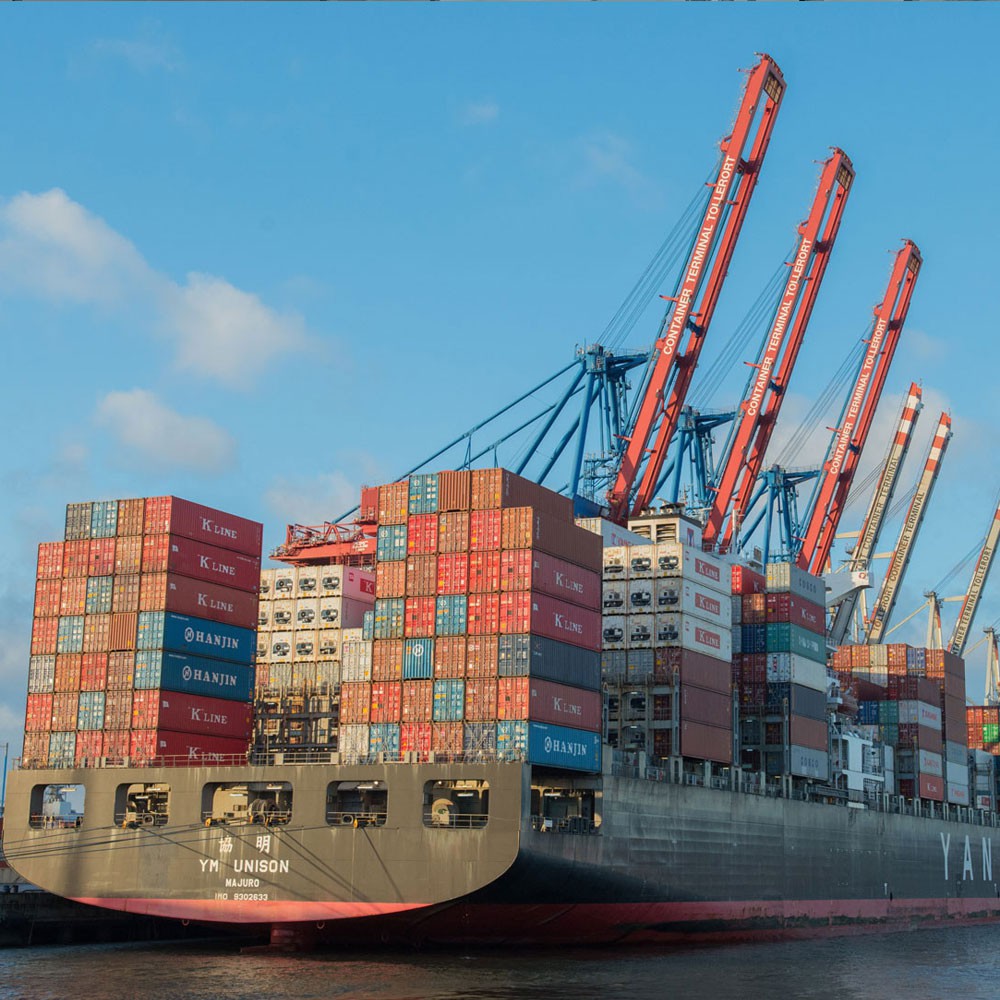
Step 4- International Shipping
Including customs declaration, international transportation, customs clearance, local distribution, etc.
Shipping time is related to the shipping method; by sea is about 30 days, and Express and Air freight are about 10~15 days.
Silk Tie Fabric FAQs
Material Properties
Q: What types of silk are commonly used for silk ties?
A: Silk ties are primarily made from 100% mulberry silk due to its smooth texture, natural sheen, and durability. Other variants like silk satin or silk twill (featuring a diagonal weave) are also popular for their distinct finishes.
Q: How should silk ties be cared for?
A: Handwashing is recommended to avoid damage. Use cold water and mild detergent.
Avoid tumble drying; lay flat on a towel to air-dry.
For wrinkles, iron at low temperature with a cotton cloth as a barrier.
Some ties are dry-clean-only, especially those with delicate prints or linings.
Q: Is silk tie fabric prone to fraying or snagging?
A: Yes, silk satin and twill can fray easily due to their delicate weave. Proper handling during cutting and sewing is crucial. Snagging is also a risk, so avoid sharp objects or rough surfaces.
Q: What are the texture and weight variations in silk tie fabrics?
A: Silk twill has a matte finish and sturdier texture (12–25 momme thickness).
Silk satin is smoother and shinier but more slippery to handle.
Lightweight silk (e.g., 16 momme) is ideal for draping, while heavier weights add structure.
Q: Does silk fabric shrink or lose shape?
A: Silk may shrink by 2.5%–15% depending on processing. Always follow care instructions to maintain shape. Pre-washing fabric before tailoring is advised for custom orders.
Customization Services
Q: What customization options are available for silk ties?
A: Suppliers offer custom widths (e.g., 7–9 cm), patterns (stripes, plaids, jacquard), and colors. Embroidery or monogramming can also be added.
Q: Are there minimum order quantities (MOQs) for custom designs?
A: MOQs typically range from 50–1,000 meters for bulk fabric orders. For finished ties, some wholesalers accept smaller quantities (e.g., 10+ units).
Q: How long does custom production take?
A: Lead times vary: 2–6 weeks for fabric production and 1–2 weeks for tie manufacturing, depending on complexity.
Q: Can I request eco-friendly or certified silk fabrics?
A: Yes, suppliers provide OEKO-TEX or GOTS-certified silk, ensuring no harmful chemicals and sustainable practices.
Q: Do manufacturers assist with design and prototyping?
A: Many offer design consultations, sample creation, and digital mockups to refine patterns before bulk production.
Quality Control
Q: How can I verify the quality of silk tie fabric?
A: Request pre-shipment samples to check texture, color accuracy, and weave consistency.
Look for certifications like OEKO-TEX 100 or 6A-grade silk labels.
Q: What defects should I inspect in silk fabrics?
A: Check for uneven dyeing, snags, or loose threads. Silk twill should have a uniform diagonal weave.
Q: Are there standardized tests for silk durability?
A: Suppliers often perform abrasion resistance tests and colorfastness checks (e.g., rubbing, washing).
Q: How do manufacturers prevent shrinkage in finished ties?
A: Pre-shrinking fabric during processing and using stabilized linings minimize post-production shrinkage.
Q: Can I audit a factory’s quality control process?
A: Reputable suppliers allow third-party inspections or provide audit reports detailing their QC protocols.
Q: What guarantees are offered for silk tie fabrics?
A: Many manufacturers offer return policies for defects and provide warranties against premature fraying or fading
Shengzhou Yili is one of the leading China silk tie fabric manufacturers and suppliers, certified by ISO9001 and BSCI. Welcome to wholesale silk tie fabric from our factory here and enjoy good customized service with us.
Woven Silk Tie Fabric, Jacquard Silk Tie FabricSend Inquiry