Silk Tie
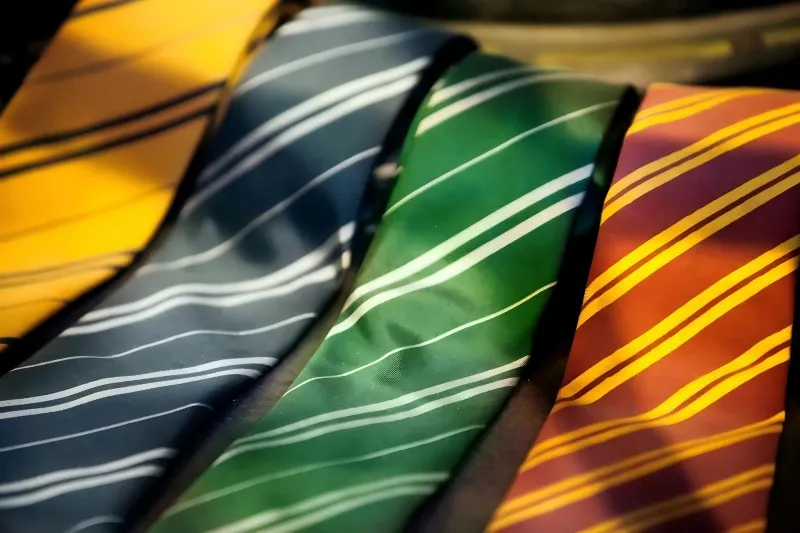
Silk ties come in various styles, colors, patterns, and widths, allowing individuals to choose ones that match their personal style and the occasion. Some common patterns for silk ties include stripes, polka dots, paisley, and solids. The wide variety of options makes silk ties versatile, suitable for everything from business meetings to weddings.
Product Features and Benefits
Silk ties offer a luxurious appearance, soft feel, and durability, providing the wearer with a refined and elegant style and a comfortable wearing experience.

Soft Texture
Silk ties have a very soft texture, providing a comfortable feel against the skin.

Smooth Surface
The smooth surface of silk ties gives them a sleek and polished appearance.

Good Draping Quality
Silk ties have excellent draping quality, falling naturally and gracefully.

Rich Colors and Patterns
Silk ties come in a wide variety of rich and vibrant colors and patterns.

Breathability
Silk is a breathable fabric, helping to keep you cool and comfortable.

Durability
High - quality silk ties are durable and can last for a long time with proper care.
Material Information
Architectural design & planning cepteur sint occaecat cupidatat proident

Mulberry Silk
Mulberry silk is the highest quality silk, known for its fine fibers and natural luster. It is produced by silkworms that feed on mulberry leaves.

Wild Silk
Wild silk is produced by silkworms that feed on the leaves of wild trees. It is more coarse and has a more irregular appearance than mulberry silk.

Blended Silk
Blended silk is made by mixing silk with other fibers, such as cotton, wool, or synthetic fibers.

Silk Production Process
The production of silk involves several steps, including silkworm rearing, cocoon spinning, silk reeling, and weaving.

Quality Control
We have strict quality control measures in place to ensure that our silk ties meet the highest standards.

Environmental - friendly
Silkworm silk is a renewable and biodegradable natural protein fiber, produced by silkworms feeding on mulberry leaves, making it an eco-friendly and sustainable material.
Silk tie Production Process

Weaving Silk tie
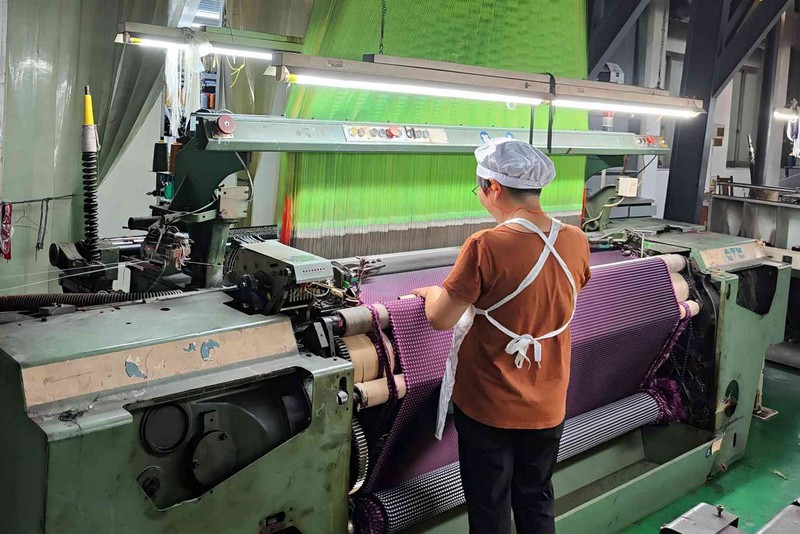
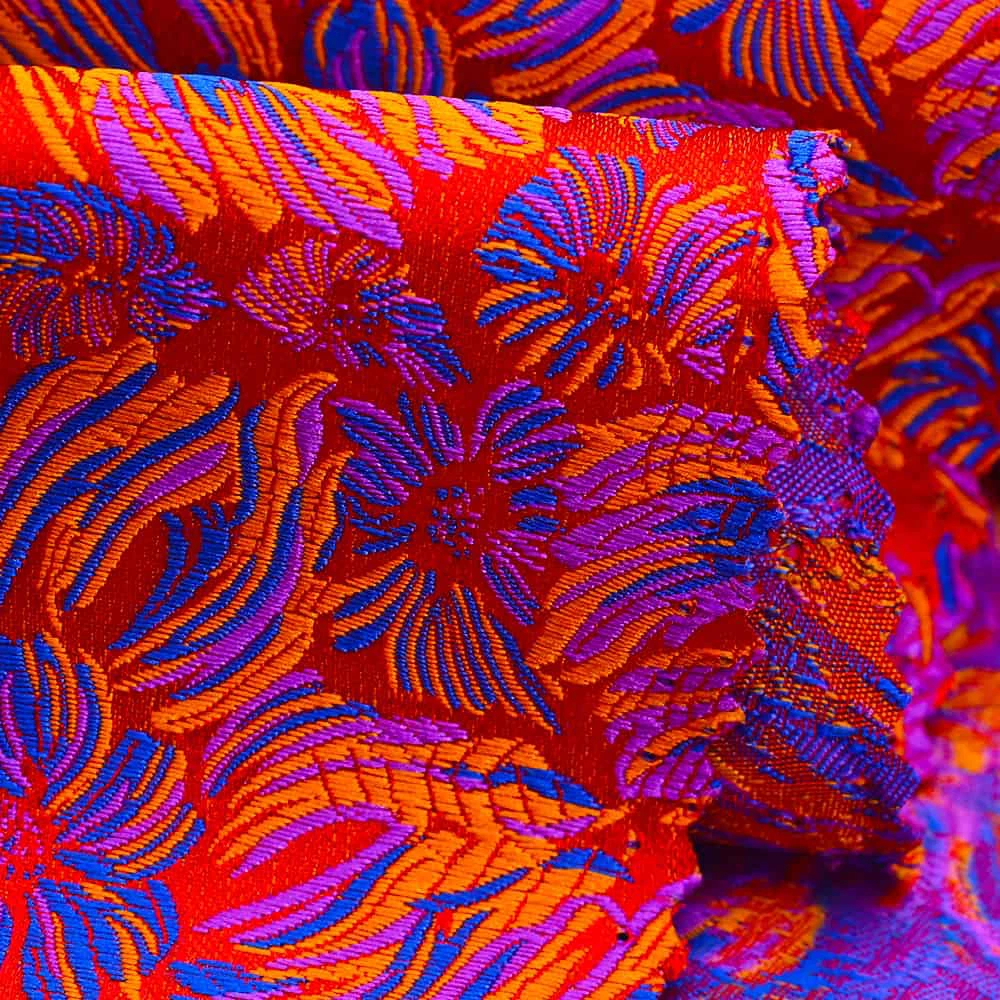
Woven silk ties, encompassing styles like Jacquard or Yarn-dyed, are distinguished neckties crafted from silk fabric meticulously woven on a loom. These ties stand apart due to the beautiful and intricate patterns that are woven directly into the fabric during the manufacturing process. This weaving technique, rather than printing, creates a more substantial and textured feel, adding depth and richness to the tie's appearance. The result is a luxurious accessory that drapes elegantly and showcases a sophisticated sense of style.
Printing silk tie
Printed silk ties, in contrast to their woven counterparts, showcase designs applied to the finished silk fabric. Rather than the pattern being woven into the fabric itself, printed ties feature designs created through various printing techniques. This method allows for a wider range of intricate and vibrant patterns, including photographic prints and highly detailed designs that might be challenging to achieve through weaving. While printed silk ties may not possess the same textured feel as woven ties, they offer a smooth, supple drape and provide a canvas for bolder, more expressive designs.


Dyeing silk tie
Yarn-dyed: This method involves dyeing the silk yarn before it is woven into fabric. This creates a rich, saturated color that is woven into the fabric itself, making it more durable and less prone to fading. This is often used for creating woven silk ties with intricate patterns.
Piece-dyed: This method involves dyeing the entire piece of silk fabric after it has been woven. This is a more common and less expensive method, but the color may not be as deep or long-lasting as yarn-dyed fabric.
Embroidered silk tie
Embroidered silk ties are a testament to the artistry of combining luxurious silk with intricate needlework. Unlike printed or woven designs, embroidery adds a three-dimensional texture and depth to the tie, creating a visually captivating piece. Skilled artisans meticulously stitch patterns onto the silk fabric, often using contrasting threads to highlight the design.

Quality Inspection
The ties are inspected at each stage of the production process, from the weaving to the final finishing. Any defects are corrected or the tie is rejected.

Greige Fabric Inspection
The greige fabric is inspected for defects such as uneven weaving, holes, or color inconsistencies to ensure that only high - quality raw material is used.
01

Finished Fabric Inspection
The finished fabric is checked for colorfastness, pattern accuracy, and overall appearance to make sure it meets the design requirements.
02

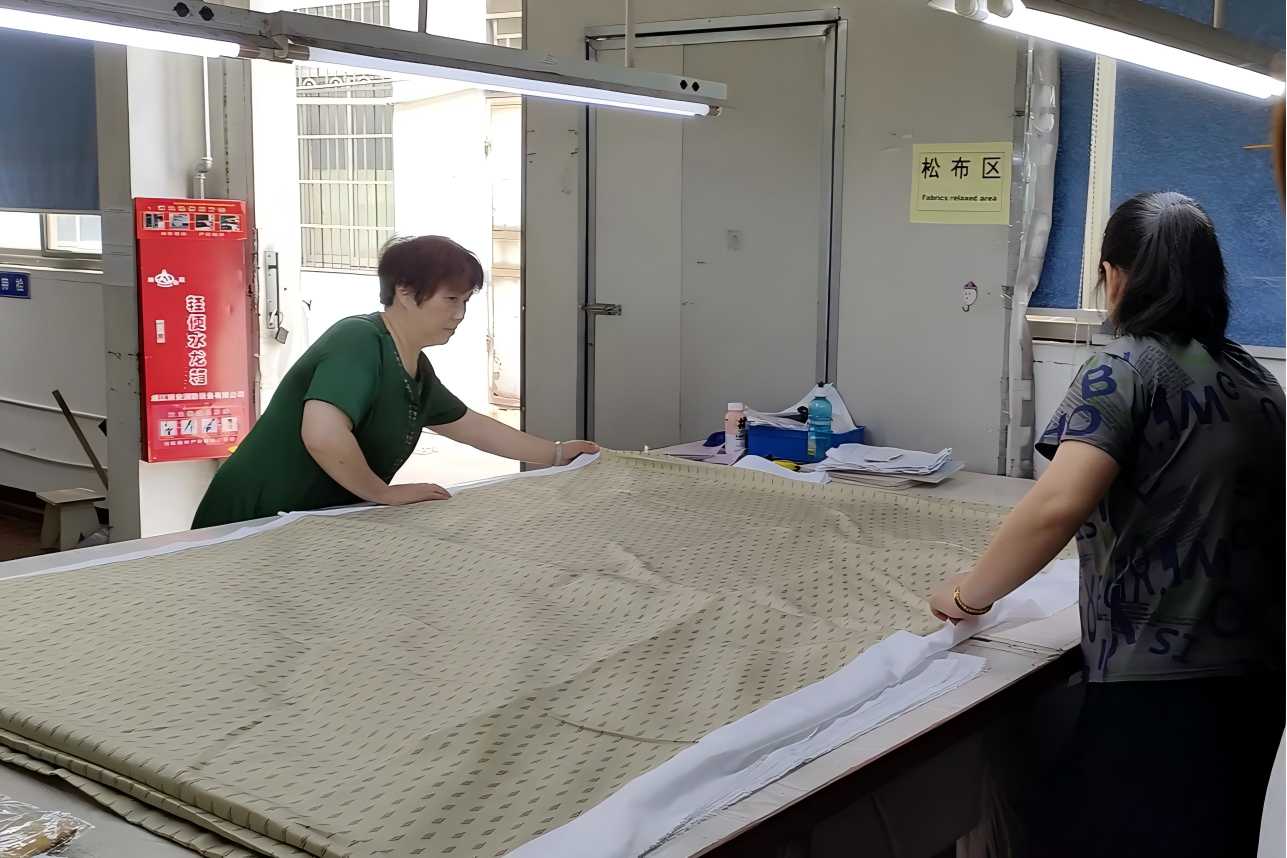
Cut fabric piece inspection
The cut pieces of the tie are measured and examined to ensure they are the correct size and shape and free from any cutting errors.
03

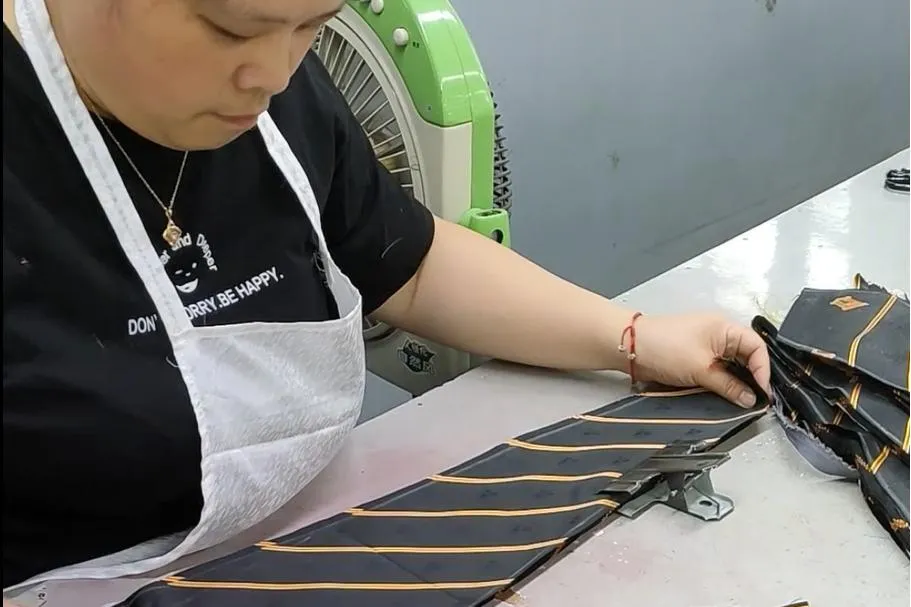
Tipping Sewing Inspection
The tipping of the tie is inspected for neat and secure stitching to prevent fraying and ensure a clean, professional look.
04

Finished Tie Inspection
The final product tie is thoroughly examined for any defects in the fabric, dyeing, stitching, and overall workmanship to guarantee a high - quality and durable product.
05
Silk Tie Matching Tips

Business Meetings
Choose a silk tie in a solid color or a subtle pattern. Pair it with a classic suit and a white or light - colored shirt.

Weddings
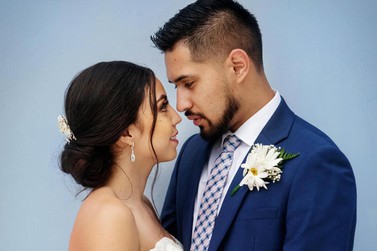
Opt for a silk tie in a brighter color or a more ornate pattern. It can be a good idea to match the tie with the groom's or groomsmen's attire.

Casual Outings
You can be more adventurous with your silk tie choices for casual outings. Try a bold color or a fun pattern. You can pair the tie with a more casual shirt.

Formal Dinners
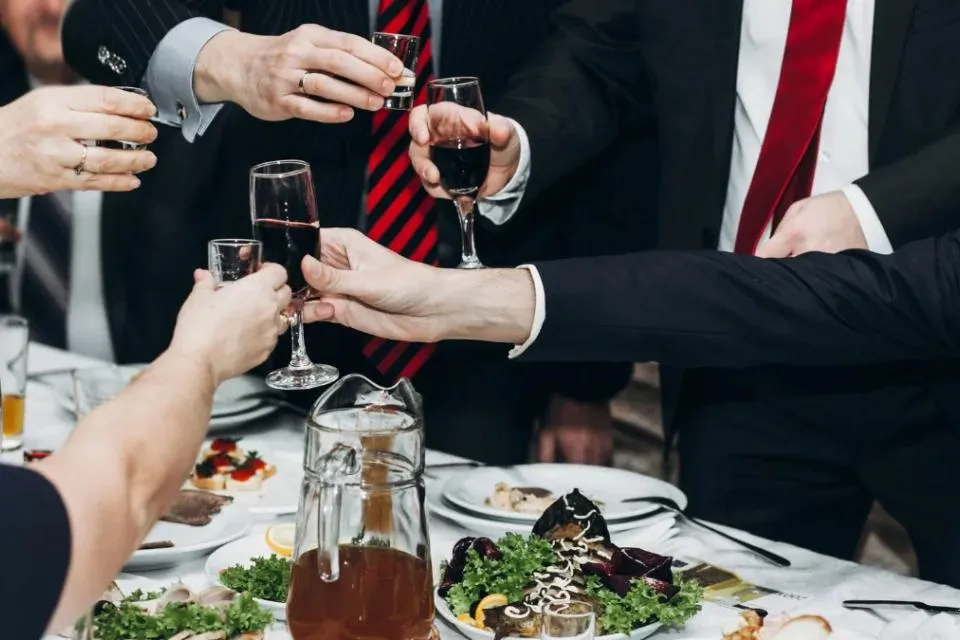
For formal dinners, choose a silk tie in a rich color or a luxurious texture. A black or deep red silk tie can add a sense of elegance and sophistication.
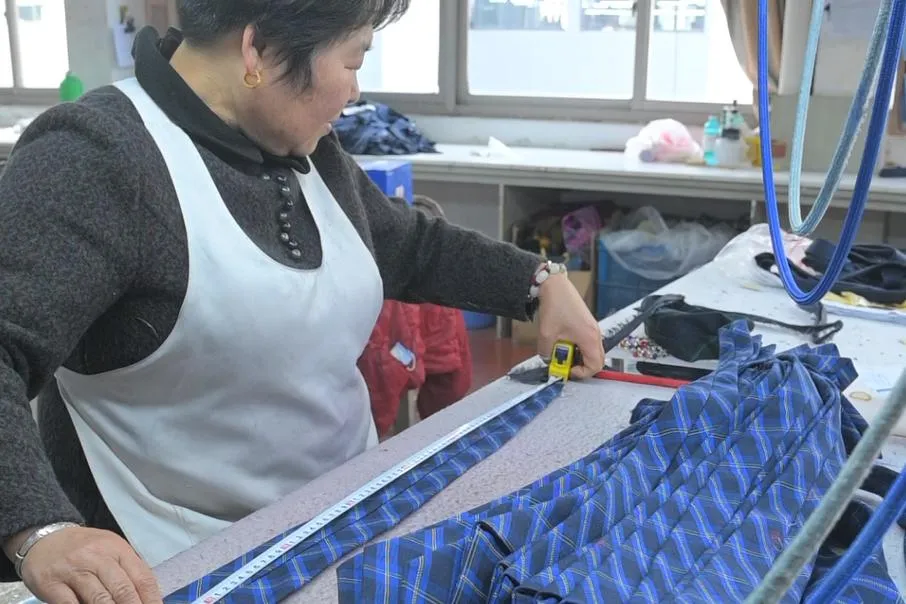
How YiLi Elevating Necktie Production Excellence: Meet Our Production Director, Zhu Meifang
Custom Necktie
Material

Tie fabric material: polyester

Tie fabric material: mulberry silk

Tie fabric material: cotton

Tie fabric material: wool
Style

Self-knotting Tie

Zipper Necktie

Clip-on Necktie

Velcro Necktie
Pattern

Solid Tie

Striped Necktie

Geometric Necktie

Polka Dot Necktie

Paisley Necktie

Floral Necktie

Plaid Necktie

Private Label Logo Necktie
Customize Your Tie with Me
Application Fields of Ties

Formal tie
Wool ties can elevate a man's formal wear, making them suitable for events like weddings, galas, or black-tie affairs. The texture of wool adds a refined and luxurious feel.

Vintage Wool Ties
Wool ties have a classic and timeless appeal, making them perfect for achieving vintage or retro looks. Pair them with suspenders or vests for a nostalgic touch.

Cold Weather Fashion
Wool is known for its insulating properties, making wool ties ideal for colder seasons. They not only look stylish but also provide an extra layer of warmth during fall and winter.

Smart-Casual Dress Code
Wool ties can bridge the gap between formal and casual wear. They work well with blazers or sports coats, adding a touch of sophistication to smart casual outfits for dinners or social gatherings.

Gift
Men's wool ties make for thoughtful and practical gifts. Whether it's for a birthday, anniversary, or holiday, a well-crafted wool tie can be a stylish addition to any man's wardrobe.

Everyday Wear
In professional settings, wool ties convey a sense of polish and professionalism. They pair well with suits and dress shirts, making them a staple for business meetings and conferences.
What is the best Fabric Weave to make a tie out of?

A plain weave fabric is a basic yet multifunctional textile pattern extensively used in the necktie industry. The simplistic nature of the plain weave provides an ideal canvas for a variety of designs, colors, and patterns. Additionally, plain ties, also referred to as plain neckties, are favored for their durability and ease of maintenance, making them suitable for daily use. This weave's structure often features tightly interlaced yarns, ensuring that the tie retains its shape and resists wrinkles through regular wear. With their understated elegance and popularity among numerous designs, plain ties are considered a staple in neckwear.

The satin fabric weave boasts a distinctive and sophisticated role in the necktie industry. Neckties crafted from satin fabric are highly prized for their sleek appearance, establishing them as a favored choice for formal occasions and upscale events.
The defining characteristic of satin weave is its smooth, glossy surface, which imparts a subtle luminescence that enchantingly captures the light. This allure enhances the overall profile of neckties, allowing them to emerge as a statement element in men's fashion. The luxurious finish of satin ties often nicely rounds off formal ensembles, such as suits and dress shirts, crafting a polished and elegant look.

Twill fabric weave plays a critical role in the necktie industry, renowned for its distinctive diagonal texture. What sets this weave apart is its weaving pattern, which is aligned at a 45-degree angle. The charm lies in how the orientation of the diagonal lines on the final tie is determined by the cutting direction: horizontal stripes emerge from a 135-degree cut, whereas vertical stripes come from a 45-degree cut. This exceptional adaptability in texture and design renders twill fabric weave ties a dynamic and fashionable option, favored for various events in men's attire.

Herringbone weave fabric stands out as a highly preferred choice in the necktie industry, characterized by its unique V-shaped pattern, akin to fishbones, which adds an element of elegance and sophistication to neckties. This pattern introduces depth and texture to the tie's appearance, thereby enhancing its aesthetic appeal.
The appeal of herringbone weave fabric is not only its visual charm but also its robustness and resilience. The fabric's weaving structure ensures that the tie preserves its form, resists creasing, and withstands daily wear's rigors, making it both a practical and stylish option. Such durability makes a herringbone weave tie a lasting and versatile piece in any man's collection, contributing to its popularity.

Elevate your necktie collection with the art of Mixed Fabric Weave, a technique that revitalizes your ties in an unparalleled way. This innovative approach cleverly combines various woven patterns to generate natural, exquisite striped textures, crafting stunning striped neckties that are bound to attract attention. At the core of the Mixed Fabric Weave is a blend of creativity and craftsmanship. Skilled artisans meticulously select and merge different weaving structures, allowing the interaction of contrasting materials to lay the groundwork for these exceptional neckties. This thorough process ensures not just a superior and durable build but also delivers significant visual and tactile allure.
Necktie Size
| Necktie Style | Category | Length (inches) | Length (cm) | Expound |
|---|---|---|---|---|
| Self-knotting Tie | Men's Standard | 57~59 | 145~150 | Typically fits individuals of average height, around 5'7" to 6'2" (170 to 188 cm) or slightly taller. |
| Men's Short | 54 | 137 | Suitable for shorter individuals, under 5'7" (170 cm), or those who prefer a shorter tie length for a modern look. | |
| Men's Extra Long | 61~63 | 150~160 | Designed for taller individuals, typically 6'2" (188 cm) or taller, or those with a larger neck size. | |
| Youth / Children's | 47~52 | 120 ~ 130 | Geared towards children and young teenagers, so height can vary widely, but typically for those under 5'5" (165 cm). | |
| Zipper Necktie | 0~6 MO | 6 | 15 | The size measurement for a zipper tie is typically from the knot to the tip. Zipper ties are mainly used by children and teens, especially for school uniforms. They offer a fuss-free solution for youngsters who may not have mastered traditional tying. Some adults also choose zipper ties for their convenience and polished appearance, particularly when time-saving is essential. |
| 6~18 MO | 9.5 | 24 | ||
| 2~4 Year | 10.5 | 26.5 | ||
| 4~8 Year | 13.5 | 35 | ||
| 8~14 year | 15 | 38 | ||
| 14~16 year | 17 | 43 | ||
| Adult | 19.5 | 50 | ||
| Clip-on Necktie | 4~8 Year | 13.5 |
35 |
Clip-on neckties are a practical accessory primarily designed for young children and individuals seeking a convenient and hassle-free tie option. Most suitable for children aged 4 to 12, they provide an excellent solution for kids who haven't mastered traditional necktie knots. These ties are not only safer for children, eliminating the risk of tying knots too tightly, but they're also simpler to wear compared to both traditional and zipper ties. They're also favored by those with limited dexterity, and people in a hurry. |
| 8~14 year | 15 | 38 | ||
| 14~16 year | 17 | 43 | ||
| Adult | 19.5 | 50 | ||
| Other tie-length | Tie length is a critical component of your style, and we are dedicated to customizing it to your liking. We can assist in developing samples and evaluating the practicality of bulk production. If you have any inquiries or specific requirements, please don't hesitate to Get in Touch with us! | |||
| Necktie Style | Category | Length (inches) | Length (cm) | Expound |
|---|---|---|---|---|
| Self-knotting Tie | Standard Width | 2.75 ~ 3.35 | 7~8.5 | These are considered narrow ties and have been a popular choice in recent fashion trends |
| Skinny Width | 2~2.75 | 5~7 | This is the classic and most commonly worn necktie width. | |
| Wide Width |
3.35~4 |
8.5~10 | These ties are considered wider and can give a more retro or classic look. | |
| Self-knotting Tie | 0~7 year |
2 |
5 | These narrower ties are proportionate to their small frames and are less likely to overwhelm their outfits. |
| 7~14 year | 2~2.55 | 5~6.5 | It offers a balance between style and proportion, accommodating children who are growing but still have relatively small necks. | |
| 14+ year | 2.55~3 | 6.5~7.5 | As children reach their teenage years, they may have more developed bodies, and a slightly wider tie can provide a stylish and age-appropriate look. | |
| Other Tie widths | Tie Width is a crucial aspect of your style, and we can tailor it to your preferences, help you create samples, and assess bulk production feasibility. Please feel free to Contact Us with any questions! | |||
Necktie Packing

Our ties support customers' customized packaging to meet personalized needs. We provide various hooks and tag stickers to make the retail packaging more beautiful. We can also use various gift boxes to package your ties to enhance your brand value.
We try to reduce the packaging volume of our products to ensure transportation safety and save freight. Our tie packaging consists of outer boxes, waterproof bags, and tie packaging, which can protect our products from damage during transportation.
| products IMG |
![]() |
![]() |
![]() |
| Necktie Style | self-knotting tie | zipper necktie | Clip-on necktie |
| Necktie size(cm) | 150*8 | 50*9 | 47*6 |
| Necktie Weight/PCS | 62 | 57.7 | 34.7 |
| carton size(cm) | 80*34*35 | 80*34*35 | 80*34*35 |
| Necktie qty(PCS) | 300 | 300 | 450 |
| Carton net weight | 18.6 | 17.3 | 15.6 |
| Carton gross weight | 20 | 18.6 | 16.9 |
Hot Products According to Our Clients Feedback
YiLi not only produces jacquard fabric. We also customize neckties, bow ties, pocket squares, women's silk scarves, and other products that customers love. Here are some of our products that customers love.
Necktie Production Process
|
1. Tie design |
2. Fabric Weaving |
3. Fabric inspection |
|
4. Necktie Fabric Cutting |
5. Necktie Sewing |
6. Liba Machine Sewing Necktie |
|
7. necktie Ironing |
8.Hand Sewing Necktie |
9. Necktie Label-stiching |
|
10. Necktie Finished Inspection |
11. Necktie Needle Checking |
12. Necktie Packing Storage |
Estimated Project Cost
To ensure that your business will have enough profit, it is essential to determine the overall cost of your project before officially starting it. Here are some of the expenses that you can expect to incur during the project:

Design Fee
If you need us to customize your tie design, we charge a fee of USD 20 per style. You don't have to worry about your design being leaked. If you use our design, we don't charge any design fee.

Product Cost
It depends on the style, material, design, quantity, and other factors of your customized tie. Our ties offer a super low MOQ: 50 pcs/design, and you can test your project for very little money.

Transportation Cost
Shipping costs depend on the quantity of ties your order and your region.

Tariff
Almost all countries will charge tariffs for imported products, and the charges differ in different countries. You can consult our sales representatives if you don't know how much your country will charge.

Sample fee
We can provide free samples if you want to check our product quality. You only pay for shipping. If you need customized samples, we will also charge a design fee.

Other costs
In some special cases, a special fee will be charged. If you ask a third party to inspect the goods. Or you need to enjoy government tariff relief, you need to provide a certificate of origin, etc.
If you want to start working in the tie industry, I suggest you check out our article - Is it a big investment to start a necktie business?
Estimated manufacturing and shipping times
Before starting a project, you will have a project schedule. Knowing how long the tie-making process will take will keep your plan on track. Below is the time it takes for our tie-making mass production.

Step 1 - Sample Production
Including tie design, fabric production, tie making, tie inspection, and other steps. With our excellent and complete team, we only need five days to complete the production of custom tie samples.

Step 2 - Sample Confirmation
Including international transportation, customer inspection, communication modification, etc.
This process mainly takes time for international transportation and customer confirmation, which takes about 10~15 days.

Step 3 - Mass Production
Including fabric production, tie production, inspection, and packaging.
The mass production time is between 18~22 days; the specific time is related to the quantity you ordered.

Step 4- International Shipping
Including customs declaration, international transportation, customs clearance, local distribution, etc.
Shipping time is related to the shipping method; by sea is about 30 days, and Express and Air freight are about 10~15 days.
FAQ
What factors influence fabric width dimensions?
Fabric width is influenced by the production equipment. We offer fabrics with different widths:
Polyester (Dacron): 170cm/67in
Silk: 210cm/82.5in
Can I customize the packaging for ties?
Yes, we offer various customization options such as hooks, tags, stickers, and gift boxes to enhance the retail packaging of your ties.
How is product safety ensured during shipping?
We minimize packaging volume while ensuring safety. Tie packaging includes outer boxes, waterproof bags, and tie packaging to protect products during transportation.
What are the dimensions and weights of individual and packaged ties?
A: Standard packaging is 1 tie in 1 OPP or PE bag, with quantities of 100, 200, or 300 ties per box. Custom box packaging starts at a minimum order of 500 units per design.
What is the minimum order quantity for ties?
MOQ for woven ties is 50 pieces/color (uniform size) and for printed ties, it's 100 pieces.
How is tie shipping cost calculated?
Shipping cost depends on weight, shipping method (express, air, sea), and destination. Contact our sales team for specific tie shipping costs.
Shengzhou Yili is one of the leading China silk tie manufacturers and suppliers, certified by ISO9001 and BSCI. Welcome to wholesale silk tie from our factory here and enjoy good customized service with us.
Christmas Silk Tie, classic neckties, Silk Printed Ties