

The Mystique Of Woven Fabrics: Construction, Types, And Applications
Oct 30, 2024
Leave a message
Introduction:
Woven fabrics are an integral part of our daily lives, from the clothes we wear to the furnishings that adorn our homes. Their versatility and durability make them a popular choice across a wide range of industries, from fashion to interior design. Understanding the intricacies of woven fabrics can elevate your projects, whether you're a seasoned designer or a DIY enthusiast.
Basics of Woven Fabrics:
 Definition and Manufacturing Process
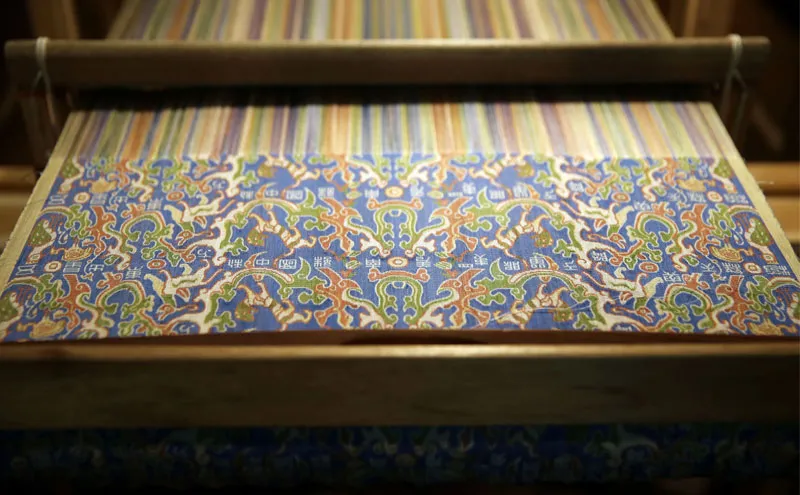
Woven fabrics are textiles formed by the interlacing of two sets of yarns or threads arranged perpendicularly to each other. This process, known as weaving, is one of the oldest methods of producing fabric and is achieved using a loom. The loom holds the warp threads in place while the weft threads are passed over and under them, creating a tight, stable fabric with a distinct pattern.
Components of Woven Fabrics: Warp and Weft
The warp threads run the length of the fabric, providing its structure and length, while the weft threads are interlaced with the warp to create the width of the fabric. This interlacing process forms the basis of all woven fabrics and is what gives them their characteristic strength and flexibility.
The Significance of Weave Patterns
The beauty of woven fabrics lies in their complexity and variety. The way the threads are interlaced can vary, leading to different textures, weights, and appearances. Each type of weave has its own unique properties, making it suitable for specific uses. For example, some weaves are more breathable, while others are more water-resistant. Some are lightweight and ideal for summer wear, while others are heavy and perfect for winter garments or upholstery.
Understanding Woven Fabric Construction
Understanding the basics of woven fabric construction is crucial for anyone looking to work with these textiles. It allows you to make informed decisions about the suitability of a particular fabric for your project, whether you're selecting materials for a new wardrobe, reupholstering furniture, or creating window treatments.
Types of Woven Fabrics:
Plain Weave (Plain Weave)

The plain weave is the simplest and most common type of weave, characterized by a straightforward crisscross pattern where one warp thread alternates with one weft thread. This basic weave is the foundation for many other weaves and is known for its stability and balanced construction. Fabrics like cotton, linen, and silk can be woven using this method, resulting in a wide range of textures from sheer to opaque. Plain weave fabrics are often used in clothing, bedding, and light upholstery due to their durability and ease of care.
Herringbone Weave (Herringbone Weave)

The herringbone weave is distinguished by its V-shaped pattern, which resembles the skeleton of a herring. This weave is created by reversing the direction of the weave at regular intervals, giving the fabric a unique, textured look. Herringbone fabrics are often used in tailored clothing, accessories, and upholstery, where a subtle yet distinctive pattern is desired.
Twill Weave (Twill Weave)
 Twill weave is identified by its diagonal parallel ribs, which give the fabric a slanted, slightly shiny appearance. The twill weave is more complex than the plain weave, with at least three weft threads passing over one warp thread before it goes under. This results in a fabric that is not only durable but also has a soft, flowing drape. Twill fabrics are commonly used in workwear, denim, and tailored clothing for their resilience and distinctive look.
Satin Weave (Satin Weave)
 Satin weave is known for its smooth, lustrous surface and is created by having a minimum of four threads pass over one thread before it goes under, creating a "floating" effect. This weave is more complex and results in a fabric that is soft, shiny, and less resistant to wear compared to other weaves. Satin fabrics are often used in formal wear, bedding, and evening wear for their elegant drape and luxurious appearance.
Applications of Woven Fabrics
Fashion and Apparel
 Woven fabrics are extensively used in the fashion industry for a variety of garments. From the crisp cotton of a tailored shirt to the flowing silk of an evening gown, woven fabrics offer a wide range of textures and finishes that cater to different styles and occasions. Their ability to be easily dyed and printed makes them ideal for expressing creative designs and patterns.
Home Decor
In home decor, woven fabrics are used for curtains, upholstery, and bedding. They provide not only aesthetic appeal but also functionality, with options ranging from light and airy for summer to heavy and insulating for winter. Woven fabrics can also be treated for water and stain resistance, making them suitable for both indoor and outdoor use.
Outdoor Equipment
Woven fabrics are crucial in the production of outdoor equipment due to their strength and durability. Materials like nylon and polyester are commonly used in the manufacture of tents, backpacks, and other gear that needs to withstand the elements while remaining lightweight and portable.
Art and Crafts
Woven fabrics play a significant role in the world of art and crafts. They are used in techniques such as canvas painting, where the texture of the fabric itself contributes to the artwork's depth and character. Additionally, woven fabrics are used in traditional crafts like quilting, where pieces of fabric are stitched together to create intricate patterns and designs.
Comparison between Woven and Knitted Fabrics:
Structural Differences
 While both woven and knitted fabrics are created by interlacing yarns, the way they are constructed leads to significant differences in their properties. Woven fabrics are formed by the interlacing of warp and weft yarns at right angles, creating a stable and flat structure. In contrast, knitted fabrics are made by looping one continuous thread, which gives them more stretch and a more flexible structure. This fundamental difference affects their performance, appearance, and suitability for various applications.
Durability and Care
Woven fabrics are generally more durable and less likely to stretch out of shape compared to knitted fabrics. They maintain their structure well over time, making them ideal for items that require a tailored fit or structural support, such as suits, jackets, and upholstery. Knitted fabrics, while softer and more flexible, can lose their shape more easily and are more prone to stretching and sagging. They also tend to fray when cut, requiring special finishing techniques to prevent unraveling.
 Aesthetic and Texture
The tight interlacing of woven fabrics results in a more defined and less elastic texture, which can be suitable for creating crisp lines and structured shapes in clothing. Knitted fabrics, with their looped structure, offer more drape and flexibility, making them ideal for form-fitting and stretchy garments like sweaters and athletic wear. The texture of knitted fabrics also tends to be softer and cozier, which is why they are often used for loungewear and blankets.
Performance in Garments and Home Textiles
In garments, woven fabrics are often chosen for their ability to hold a crease and maintain a sharp appearance, which is essential for professional attire. Knitted fabrics, on the other hand, are preferred for their comfort and breathability, making them perfect for casual and activewear. In home textiles, woven fabrics are valued for their durability in upholstery and curtains, while knitted fabrics offer a warm and stretchy option for blankets and throws.
Conclusion
Woven fabrics offer a rich tapestry of possibilities, each with unique properties that make them ideal for a variety of uses. From the crisp structure of a plain weave to the luxurious sheen of satin, these fabrics enrich our lives in numerous ways.
In essence, woven fabrics provide a sturdy and often more durable option for applications where shape retention and structure are paramount. They stand out in the world of textiles for their ability to create everything from crisp business attire to the soft drape of curtains.
The diversity of woven fabrics is a testament to their timeless appeal and practicality. As you venture into your next creative endeavor, let the world of woven fabrics be your guide to innovation and aesthetic excellence.
Send Inquiry